Air Quality Monitoring Resources and Health Information
READ MORE »

×

The Coastal Health District of Georgia serves the counties of Bryan, Camden, Chatham, Effingham, Glynn, Liberty, Long & McIntosh

Public Health Topics


It’s Not Too Late for Flu Vaccine

It’s not too late to vaccinate – Get your flu vaccine today! After November when you see signs that advertise: “Get Your Flu Vaccine Here,” you might think, “Isn’t it too late for that?” As long as flu viruses are spreading, it’s not too late to get a vaccine to protect yourself and your loved ones.

“Flu season typically peaks between December and February but significant activity can occur as late as May,” says Dr. Dan Jernigan, Deputy Director of the Influenza Division in the National Center for Immunization and Respiratory Diseases (NCIRD) at CDC. “We are encouraging people who have not yet been vaccinated this season to get vaccinated now.”

For millions of people every season, the flu can mean a fever, cough, sore throat, runny or stuffy nose, muscle aches, fatigue, and miserable days spent in bed. However, you may not realize that each flu season, flu also causes hundreds of thousands of hospitalizations, and thousands or sometimes tens of thousands of deaths.

But there is a vaccine that can prevent flu. While how well the vaccine works can vary, the benefits from vaccination are well documented. Studies show that flu vaccination can reduce flu illnesses, doctors’ visits, missed work and school due to flu, as well as prevent flu-related hospitalizations.

This is why CDC recommends an annual flu vaccine for everyone 6 months and older. Flu vaccine is available as a shot and as a nasal spray. According to Dr. Jernigan, however, “the most important thing is that you get vaccinated, not necessarily which vaccine you get.” Talk to your doctor or other health care professional about which vaccine is best for you and your family.

Some people are at high risk for serious flu-related complications, like pneumonia, that can lead to hospitalization and even death. This includes young children, pregnant women, people 65 and older and people with certain medical conditions, like asthma, diabetes or heart disease. For those at high risk for complications, getting the flu vaccine is especially important. It’s also important to get the vaccine if you care for anyone at high risk, including babies younger than 6 months because they are too young to get the vaccine. To learn more about high risk conditions, visit http://www.cdc.gov/flu/about/disease/high_risk.htm.

Children 6 months through 8 years of age who are getting vaccinated for the first time may need two doses of flu vaccine to be fully protected. If a child has not received his/her first dose, get them vaccinated now. For children who are 6 months through 8 years of age and who have been vaccinated with one dose, parents should check with the child’s doctor or other health care professional to see if a second dose is needed. “Getting the flu vaccine is simple, and it’s the most important thing you can do to protect yourself and your family from the flu,” says Dr. Jernigan. Millions of people have safely received flu vaccines for decades.

As long as the flu is spreading, you can still benefit from a flu vaccine.  For more information about influenza or the flu vaccine, talk to your doctor or other health care professional, visit http://www.cdc.gov/flu or call CDC at 1-800-CDCINFO (800-232-4636).

Are You Ready for Colder Weather?

Temperatures in the South tend to change quickly during winter months so being prepared is key. The Centers for Disease Control and Prevention (CDC) suggests taking these steps to prepare your home to stay safe and warm during the winter months.

Winterize your home.

  • Install weather stripping, insulation, and storm windows.
  • Insulate water lines that run along exterior walls.
  • Clean out gutters and repair roof leaks.

Check your heating systems.

  • Have your heating system serviced professionally to make sure that it is clean, working properly and ventilated to the outside.
  • Inspect and clean fireplaces and chimneys.
  • Install a smoke detector. Test batteries monthly.
  • Have a safe alternate heating source and alternate fuels available.
  • Prevent carbon monoxide (CO) emergencies.
  • Install a CO detector to alert you of the presence of the deadly, odorless, colorless gas.
  • Learn symptoms of CO poisoning: headaches, nausea, and disorientation.
  • Keep grills and generators out of the house and garage. Position generators at least 20 feet from the house.

Be prepared for weather-related emergencies, including power outages.

  • Stock food that needs no cooking or refrigeration and water stored in clean containers.
  • Keep an up-to-date emergency kit, including:
    – battery-operated devices, such as a flashlight, a National Oceanic and Atmospheric Administration (NOAA) Weather Radio, and lamps;
    – extra batteries;
    – first-aid kit and extra medicine;
    – baby items; and
    – cat litter or sand for icy walkways

Your car also needs to be winterized. Make sure that you have the appropriate amount of antifreeze and that your tires are in good condition. Keep a first-aid kit in your car and get your vehicle serviced as recommended by the manufacturer.

Diabetes. It’s a Big Deal.

Diabetes Big Deal Logo [JPG, 77.38 KB]

According to the American Diabetes Association, close to 30 million children and adults in the United States have diabetes and another 86 million Americans have prediabetes and are at risk for developing type 2 diabetes. It is estimated that one in four people who have diabetes don’t even know they have the disease. Those are startling statistics proving that diabetes is a very big deal in our country. But diabetes is preventable. Getting regular exercise and eating healthy are the two best ways to avoid diabetes. Step one is to find out if you are at risk for diabetes. Could your health history make a difference? Absolutely. Take the Family Health History Quiz. You can also lower your risk by making healthy lifestyle choices.

If you have just been diagnosed with diabetes, or have been living with diabetes for a while, diabetes education and support are important to help you stay healthy.
You are the most important member of your health care team. Learn as much as you can about your disease and talk to your diabetes care team about how you can best care for your diabetes to stay healthy. Learning to manage your diabetes from the start can help you have fewer health problems from diabetes later. Living with the day-to-day demands of diabetes can be challenging. Having a network of support can help.

Diabetes education is needed throughout your lifetime, not just at diagnosis.
Research has shown that diabetes education and support improve health outcomes for people with diabetes, such as lowering average blood sugar, reducing diabetes related complications, and decreasing diabetes-related distress. Studies have also shown diabetes education and support to be cost-effective by reducing hospital admissions and re-admissions.

As you get older, your diabetes needs will change over time. Understanding those changes and how to manage your disease continues to be important. For instance, as you get older, you may experience some other health problems associated with diabetes, such as heart disease, kidney disease, vision problems, or nerve damage. You may also experience other life changes, such as changes that affect your living situation. Continued diabetes education and support can help you manage your diabetes during these times of change.

Having a network of support can help you better cope with the day-to-day demands of living with diabetes.
Being diagnosed with diabetes is often overwhelming. There is a lot to learn about this disease and what you need to do to stay healthy. This means understanding how to:

  • Manage your Diabetes ABCs (blood sugar, blood pressure, cholesterol, and stopping smoking)
  • Make healthy food choices
  • Stay physically active; and
  • Take medicines as prescribed.

Be Smart About Your Heart: Manage the ABCs of Diabetes
Many people with diabetes do not realize that having diabetes increases their chances of having a heart attack or stroke. While most people may think about diabetes-related health problems such as kidney disease, blindness and amputation, adults with diabetes are nearly two times more likely to die from heart disease or stroke than a person without diabetes. If you have diabetes, the National Diabetes Education Program (NDEP) and [insert name of organization] wants you to know that you can lower your chance of having a heart attack or stroke by managing your Diabetes ABCs.

  • A is for the A1C test (A-one-C). This is a blood test that measures your average blood sugar (glucose) level over the past three months.
  • B is for Blood pressure.
  • C is for Cholesterol.
  • S is for stopping smoking.

If you have diabetes, talk to your doctor about your A1C, Blood pressure, and Cholesterol numbers. Your ABC goals will depend on how long you have had diabetes, and other health problems. If you smoke, ask for help or call the Georgia Tobacco Quit Line:

English: 1.877.270.STOP (1.877.270.7867)
Spanish: 1.877.2NO.FUME (1.877.266.3863)
Hearing Impaired, TTY Services: 1.877.777.6534


American Diabetes Month Facts and Figures*

  • Diabetes affects nearly 30 million children and adults in the U.S. today—nearly 10 percent of
    the population.
  • Another 86 million Americans have prediabetes and are at risk for developing type 2 diabetes.
  • Recent estimates project that as many as 1 in 3 American adults will have diabetes by 2050 unless
    we take steps to Stop Diabetes®.
  • Every 19 seconds someone in the U.S. is diagnosed with diabetes.
  • African Americans and Hispanics are almost twice as likely to have diabetes as non-Hispanic whites.
  • Diabetes nearly doubles the risk for heart attack and for death from heart disease.
  • Diabetes is the leading cause of kidney failure.
  • Diabetes is the leading cause of new cases of blindness among working-age adults.
  • The rate of amputation for people with diabetes is 10 times higher than for people without diabetes.
  • Roughly 60 to 70 percent of people with diabetes have mild to severe forms of nerve damage that
    could result in pain in the feet or hands, slowed digestion, sexual dysfunction and other nerve problems.
  • The American Diabetes Association estimates that the total national cost of diagnosed diabetes in
    the U.S. is $245 billion.
  • Direct medical costs reach $176 billion and the average medical expenditure among people
    with diabetes is more than two times higher than those without the disease.
  • Indirect costs amount to $69 billion (disability, work loss, premature mortality).
  • 1 in 10 health care dollars is spent treating diabetes and its complications.
  • 1 in 5 health care dollars is spent caring for people with diabetes.

*Source: American Diabetes Association

Making Healthy Choices
Want to know more about meal planning, shopping tips, grocery lists, chef’s preparation secrets, delicious recipes? Check out Diabetes Forecast.

Additional Diabetes Fact Sheets
Women at High Risk for Diabetes
If You Had Diabetes While Pregnant [PDF, 284.06 KB]
Gestational Diabetes [PDF, 706.98 KB]

Liberty County Health Department to Hold Drive-Through Flu Vaccination Clinic Nov. 17

The Liberty County Health Department will hold a drive-through flu vaccination clinic from 9 a.m. to 1 p.m. on Tuesday, November 17, at Shuman Recreation Center located at 800 Tupelo Trail (behind the health department) in Hinesville. Flu shots will be available for $29. High-dose flu vaccine, offered for people 65 and older, will be $50. The purpose of the event is two-fold:  To provide a quick, easy way for residents to get vaccinated against the flu and to test public health emergency preparedness and response procedures.

Liberty County is one of several Coastal Health District counties hosting a drive-through flu vaccination clinic on November 17 as part of a statewide exercise being conducted by the Georgia Department of Public Health. Several partner agencies, including Liberty County Emergency Management Agency, Liberty Regional EMS, Hinesville Police Department, American Red Cross, and Liberty County Recreation Department, will also take part in the event.

“Getting vaccinated is the best protection against the flu and there is no more convenient way to get vaccinated than never having to leave your own vehicle,” said Coastal Health District Health Director, Diane Weems, M.D. “We are also using this clinic as a way to assess public health’s ability to quickly provide medication should it become necessary during a real world event.”

Public health – through local health departments – is responsible for providing vaccine or other medication to the general public in response to large scale public health emergencies and other disasters. If such an event were to take place, the drive-through method of dispensing medication would likely be used.

“We are always in preparation mode,” said Weems. “It just makes sense to test that preparation during flu season when we can make it easy for people to get vaccinated.”

The Centers for Disease Control and Prevention (CDC) recommends everyone six months of age and older receive a yearly flu vaccine. The flu vaccine cannot cause the flu. Getting vaccinated is the first and best line of defense against the flu. It takes about two weeks after vaccination for the immune system to fully respond to the vaccine and provide the body protection.

On average, more than 200,000 people in the United States are hospitalized each year for illnesses associated with seasonal influenza virus infections and it is estimated that more than 36,000 Americans die each year from influenza-related illness.

The flu virus is easily spread through coughs and sneezes and by touching something with the virus on it and then touching your eyes, nose or mouth. That’s why good health habits are also important including staying home when you’re sick; avoiding close contact with people who are sick; coughing or sneezing into your elbow and not your hand; washing your hands often with soap and water; avoid touching your eyes, nose and mouth; and cleaning and disinfecting surfaces and objects that may be contaminated with germs like the flu.

Cash and checks will be accepted at the drive-through clinic. The following insurance will also be accepted: Aetna, Cigna, Blue Cross/Blue Shield, and Coventry. Medicare and Medicaid will also be accepted.

To save even more time, residents are encouraged to download the flu vaccine consent form HERE [PDF, 62.13 KB] and bring the completed form with them to the clinic.

For more information on the flu or flu vaccine, go to cdc.gov/flu.


Effingham County Health Department to Hold Drive-Through Flu Vaccination Clinic Nov. 17

The Effingham County Health Department will hold a drive-through flu vaccination clinic from 2:30 p.m. to 4:30 p.m. on Tuesday, November 17, at the health department located at 802 Hwy. 119 South in Springfield. Flu shots will be available for $29. High-dose flu vaccine, offered for people 65 and older, will be $50. The purpose of the event is two-fold:  To provide a quick, easy way for residents to get vaccinated against the flu and to test public health emergency preparedness and response procedures.

Effingham County is one of several Coastal Health District counties hosting a drive-through flu vaccination clinic on November 17 as part of a statewide exercise being conducted by the Georgia Department of Public Health. Several partner agencies, including Effingham County Emergency Management Agency, will also take part in the event.

“Getting vaccinated is the best protection against the flu and there is no more convenient way to get vaccinated than never having to leave your own vehicle,” said Coastal Health District Health Director, Diane Weems, M.D. “We are also using this clinic as a way to assess public health’s ability to quickly provide medication should it become necessary during a real world event.”

Public health – through local health departments – is responsible for providing vaccine or other medication to the general public in response to large scale public health emergencies and other disasters. If such an event were to take place, the drive-through method of dispensing medication would likely be used.

“We are always in preparation mode,” said Weems. “It just makes sense to test that preparation during flu season when we can make it easy for people to get vaccinated.”

The Centers for Disease Control and Prevention (CDC) recommends everyone six months of age and older receive a yearly flu vaccine. The flu vaccine cannot cause the flu. Getting vaccinated is the first and best line of defense against the flu. It takes about two weeks after vaccination for the immune system to fully respond to the vaccine and provide the body protection.

On average, more than 200,000 people in the United States are hospitalized each year for illnesses associated with seasonal influenza virus infections and it is estimated that more than 36,000 Americans die each year from influenza-related illness.

The flu virus is easily spread through coughs and sneezes and by touching something with the virus on it and then touching your eyes, nose or mouth. That’s why good health habits are also important including staying home when you’re sick; avoiding close contact with people who are sick; coughing or sneezing into your elbow and not your hand; washing your hands often with soap and water; avoid touching your eyes, nose and mouth; and cleaning and disinfecting surfaces and objects that may be contaminated with germs like the flu.

Cash will be accepted at the drive-through clinic. The following insurance will also be accepted: Aetna, Cigna, Blue Cross/Blue Shield, and Coventry. Medicare and Medicaid will also be accepted.

To save even more time, residents are encouraged to download the flu vaccine consent HERE [PDF, 62.61 KB] and bring the completed form with them to the clinic.

For more information on the flu or flu vaccine, go to cdc.gov/flu.


Chatham County Health Department to Hold Drive-Through Flu Vaccination Clinic Nov. 17

The Chatham County Health Department will hold a drive-through flu vaccination clinic from 9 a.m. to 4 p.m. on Tuesday, November 17. Residents should enter the drive-through clinic through the parking lot across from Goodwill on Sallie Mood Drive. Flu shots will be available for $29. High-dose flu vaccine, offered for people 65 and older, will be $50. The purpose of the event is two-fold:  To provide a quick, easy way for residents to get vaccinated against the flu and to test public health emergency preparedness and response procedures.

Chatham County is one of several Coastal Health District counties hosting a drive-through flu vaccination clinic on November 17 as part of a statewide exercise being conducted by the Georgia Department of Public Health. Several partner agencies, including Chatham Emergency Management Agency, local law enforcement, and the Salvation Army will also take part in the event.

“Getting vaccinated is the best protection against the flu and there is no more convenient way to get vaccinated than never having to leave your own vehicle,” said Coastal Health District Health Director, Diane Weems, M.D. “We are also using this clinic as a way to assess public health’s ability to quickly provide medication should it become necessary during a real world event.”

Public health – through local health departments – is responsible for providing vaccine or other medication to the general public in response to large scale public health emergencies and other disasters. If such an event were to take place, the drive-through method of dispensing medication would likely be used.

“We are always in preparation mode,” said Weems. “It just makes sense to test that preparation during flu season when we can make it easy for people to get vaccinated.”

The Centers for Disease Control and Prevention (CDC) recommends everyone six months of age and older receive a yearly flu vaccine. The flu vaccine cannot cause the flu. Getting vaccinated is the first and best line of defense against the flu. It takes about two weeks after vaccination for the immune system to fully respond to the vaccine and provide the body protection.

On average, more than 200,000 people in the United States are hospitalized each year for illnesses associated with seasonal influenza virus infections and it is estimated that more than 36,000 Americans die each year from influenza-related illness.

The flu virus is easily spread through coughs and sneezes and by touching something with the virus on it and then touching your eyes, nose or mouth. That’s why good health habits are also important including staying home when you’re sick; avoiding close contact with people who are sick; coughing or sneezing into your elbow and not your hand; washing your hands often with soap and water; avoid touching your eyes, nose and mouth; and cleaning and disinfecting surfaces and objects that may be contaminated with germs like the flu.

Cash, checks, credit, and debit cards will be accepted at the drive-through clinic. The following insurance will also be accepted: Aetna, Cigna, Blue Cross/Blue Shield, Coventry, and Humana. Medicare and Medicaid will also be accepted.

To save even more time, residents are encouraged to download the flu vaccine consent form by clicking HERE [PDF, 62.94 KB] and bring the completed form with them to the clinic.

For more information on the flu or flu vaccine, go to cdc.gov/flu.

Test Your Health IQ

Does your health IQ measure up? Now, there’s a fun and educational way to find out. The Centers for Disease Control and Prevention (CDC) has launched a new Health IQ app. It’s free in both the iTunes and GooglePlay stores. Download it today to find out just how knowledgeable you are when it comes to living healthy.

Breast and Cervical Cancer Program Information

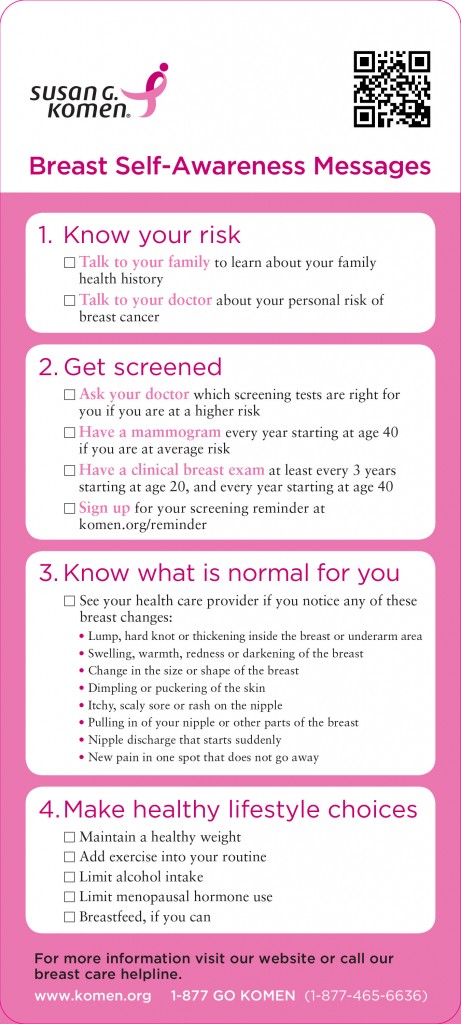
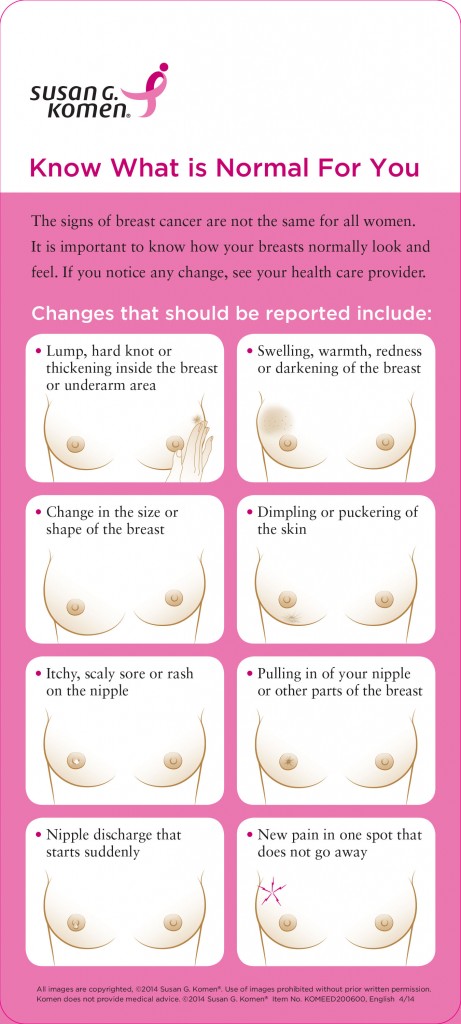
October is National Breast Cancer Awareness Month and while breast self-awareness should be important every day of the year, October is a good time to put the spotlight on breast cancer and the services that are available to women in their own communities.

To help reduce the impact of cancer on the lives of Georgians, the the Georgia Breast and Cervical Cancer Program (GBCCP) strives to address 2020 Healthy People National Objectives by providing access to timely breast and cervical cancer screening and diagnostic services to eligible women. Women diagnosed with cancer through the program are eligible for treatment through Medicaid coverage as authorized by the Breast and Cervical Cancer Treatment and Prevention Act passed by Congress in 2000.

The GBCCP is for eligible women residing in Georgia aged 21 to 64 years for cervical cancer screening and aged 40 to 64 years for breast cancer screening. The program serves women who are uninsured and those with a low annual income (not greater than 200% of the federal poverty level) with a focus on never/rarely screened women and those aged 50 to 64.

Program Eligibility
The Georgia Breast and Cervical Cancer Program provides services to adults who meet the following requirements:
• Georgia resident
• Income: Annual income is not greater than 200% of the Federal Poverty Level
• No health insurance
• Age: 40-64 years old for breast cancer screening (mammogram).
• Age: 21-64 years old for cervical cancer screening.

Services
Services provided by the Georgia Breast and Cervical Cancer Program (BCCP) include:
• Clinical breast examinations
• Pelvic examinations
• Pap tests
• Mammograms (if 40-64 years old)
• Diagnostic evaluation, if results are abnormal.
• Referrals to treatment through the Women’s Health Medicaid Program.

For more information on the Breast and Cervical Cancer Program, please contact your county health department.

For more information on breast cancer screening, detection, and treatment, risk factors, and more, check out Susan G. Komen.


BCCP ad generi  9.15 [JPG, 1.17 MB]

Help Stop Childhood Obesity

One in 3 children in the United States is overweight or obese. Childhood obesity puts kids at risk for health problems that were once seen only in adults, like type 2 diabetes, high blood pressure, and heart disease.

National Childhood Obesity Awareness Month

The good news is that childhood obesity can be prevented. In honor of National Childhood Obesity Awareness Month, the Coastal Health District encourages your family to make healthy changes together.

  • Get active outside: Walk around the neighborhood, go on a bike ride, or play basketball at the park.
  • Limit screen time: Keep screen time (time spent on the computer, watching TV, or playing video games) to 2 hours or less a day.
  • Make healthy meals: Buy and serve more vegetables, fruits, and whole-grain foods.

Get THE FACTS about childhood obesity.

Click HERE for a child and teen BMI calculator.

Quick, Healthy Snack Ideas for Parents

How Much Physical Activity Do Children Need?

Set Healthy Eating Goals

Treatment Works.

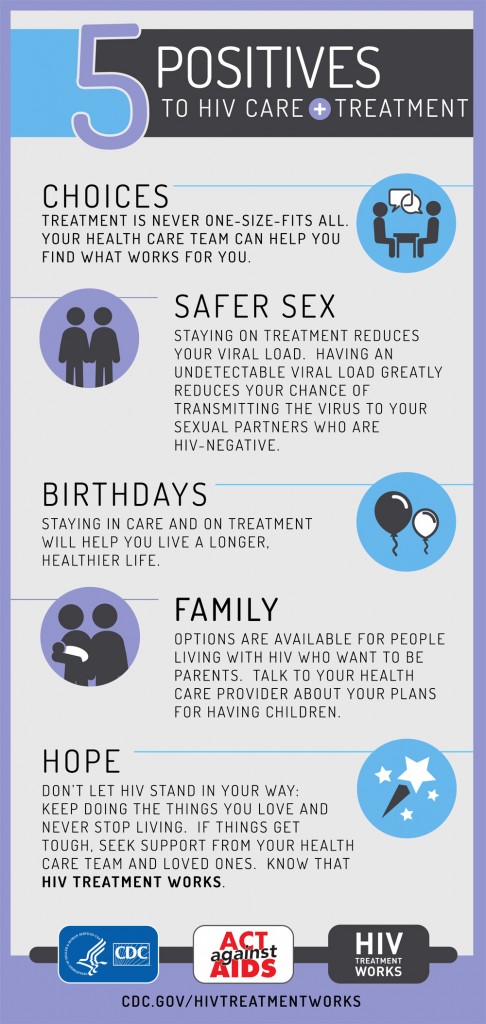
Thirty five years ago the letters “HIV” struck fear and hopelessness in the hearts and minds of people. Today, fear has been replaced with facts and hopelessness with optimism. In the 21st century a person diagnosed with HIV can live a normal life expectancy and pursue personal dreams and aspirations with regular medical care and daily medications.

Treatment has come a very long way. Today’s medications are potent and very well tolerated with as little as a single pill once a day. With all of these advancements, the medical and scientific community is not satisfied with successful treatment, they are striving to find the cure!  So if you are a person living with HIV, get in care and stay in care.  A well known advocate said it best: “Stick around for the cure.”

According to the Centers for Disease and Prevention (CDC), people who are HIV positive who start and continue treatment are 96 percent less likely to transmit HIV to others. Treatment, especially for those starting antiretroviral drugs right after diagnosis, helps people with HIV live longer and healthier lives, and it prevents the spread of HIV. Yet, only 1 in 4 of the 1.1 million Americans living with HIV have an undetectable viral load. This means the virus is at a level that provides maximum health benefits and reduces the risk of transmitting the virus to others.

“Today, not only can HIV treatment save lives, it can help stop a national epidemic in its tracks,” said Jonathan Mermin, M.D., M.P.H., director of CDC’s National Center for HIV/AIDS, Viral Hepatitis, STD and TB Prevention. “Our goal is to help everyone with HIV know the tremendous health benefits treatment offers to them and the protection it provides to their partners.”

HIV Treatment Works, a communication campaign focused exclusively on encouraging treatment and care for people living with HIV, was launched by the Centers for Disease Control and Prevention in an effort to get more Americans living with HIV to stay in care and take treatment.

The HIV Treatment Works campaign encourages people living with HIV to Get in Care , Stay in Care and Live Well .

Check out Angie’s story.