Air Quality Monitoring Resources and Health Information
READ MORE »

×

The Coastal Health District of Georgia serves the counties of Bryan, Camden, Chatham, Effingham, Glynn, Liberty, Long & McIntosh

Public Health Topics


Don’t Wait. Communicate.

We never know when disaster will strike which means we should always be planning. Hurricane season is a good time to review those plans to make sure that everything is in place to protect ourselves and our families. Do you have a plan? If not, there’s no better time to get started than right now.

Preparing for a Hurricane
How_To_Prepare_Guide_Hurricane [PDF, 1.86 MB]

Preparing for a Flood
how_to_prepare_flood_033014_508 [PDF, 2.64 MB]

Preparing for a Wildfire
how_to_prepare_flood_033014_508 [PDF, 2.64 MB]

Family Communication Plan for Parents: FEMA_plan_parent_508_071513 [PDF, 1.12 MB]
Family Communication Plan for Children: FEMA_plan_child_508_071513 [PDF, 1.16 MB]

Having emergency plans in place just makes good sense. Ready.gov has everything you need to make sure that when a disaster strikes, families know what to do which includes having an up-to-date contact list for those you may need to reach during a disaster and establishing alternate methods of communication in case traditional means are not available.

Are You Hurricane Ready?

Coastal Georgia is vulnerable to lots of types of severe weather including hurricanes. As hurricane season heats up, residents in Bryan, Camden, Chatham, Effingham, Glynn, Liberty, Long, and McIntosh counties need to be prepared should a major storm come our way.

Do you have a plan? The time to prepare is before a storm is threatening our area. Ready.gov has everything a family needs to get prepared for any type of disaster including creating a plan, building a ready kit, and special materials and tips that will help prepare children.

Hurricane season lasts from June 1 through November 30. It’s important to pay attention not only to local weather forecasts to find out about potential approaching storms but also consider the bigger picture of developing storms in the Atlantic Ocean. The National Hurricane Center is a great resource for tracking storms.

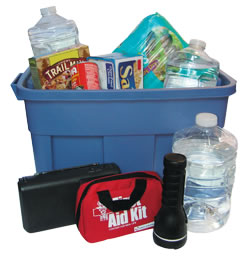
What should go in your ready kit?
Ready-Kit-Checklist-Handout_2013
prepare_emergkit [JPG, 28.35 KB]

Get more information on how you can prepare for hurricanes HERE.

Functional and Medical Needs Registry

The Functional and Medical Needs Registry is made up of residents who may require transportation and medical assistance during a hurricane evacuation and have no other resources such as family, friends, neighbors, or church members to help them if they need to evacuate. Residents must apply to be on the registry and if they meet the criteria, someone from the Chatham County Health Department will explain to them, in detail, how and when the Registry will be activated should a storm threaten our area.

Residents who meet the criteria and are put on the Registry will be evacuated to an American Red Cross general population shelter in an inland county.  The shelter will be located in a gym or other similar setting and it could take several hours to get to the shelter because we want to make sure that those on the Registry are transported well out of harm’s way of the storm.

Functional needs registrants are individuals who may need services to maintain their independence in a shelter. This includes children and adults with physical, sensory, mental health, and cognitive and/or intellectual disabilities affecting their ability to function independently without assistance. Medical needs registrants are individuals who require support of trained medical professionals. This includes those individuals who may need assistance with managing unstable, terminal, or contagious conditions that require observation and ongoing treatment.

It’s important to note that people living in nursing homes, assisted living facilities, and personal care homes are not eligible for the Functional and Medical Needs Registry and must follow their facility’s emergency plan.

For more information on the Functional and Medical Needs Registry or to download the registration and consent forms, click HERE.


Vaccines Protect All Ages

Vaccines protect families, teens, and children by preventing disease. Not only do vaccinations help avoid expensive therapies and hospitalization needed to treat infectious diseases like influenza and pneumococcal disease, but they also reduce absences both at school and at work and decrease the spread of illness in the home, workplace and community.

This August, be smart and get immunized. The Coastal Health District and Georgia Department of Public Health reminds adults to check with their health care provider for their current immunization recommendations as well as parents to check for their children. Safe and effective vaccines are available to protect adults and children alike against potentially life-threatening diseases such as tetanus, diphtheria, pertussis, meningococcal disease, hepatitis A, hepatitis B, shingles, measles, mumps, rubella and varicella (chickenpox). Talk to your health care provider or visit your public health department and get immunized today.

There are 10 routine childhood vaccines that protect children from 14 vaccine-preventable diseases:

  • DTaP: Protects against Diphtheria, Tetanus & Pertussis
  • MMR: Protects against Measles, Mumps & Rubella
  • HepA: Protects against Hepatitis A
  • HepB: Protects against Hepatitis B
  • Hib: Protects against Haemophilus influenzae type b
  • Flu: Protects against Influenza
  • PCV13: Protects against Pneumococcal disease
  • Polio: Protects against Polio
  • RV: Protects against Rotavirus
  • Varicella: Protects against Chickenpox

Here are some more interesting vaccine facts:

FACT: Vaccines have eradicated smallpox and wild-type polio virus in the United States and significantly reduced the number of other vaccine-preventable diseases.

FACT: Vaccination is one of the most effective ways to protect children and adults against many common infectious diseases.

FACT: Vaccines are safe, and scientists continually work to make sure they become even safer.

FACT: According to the CDC, more than 50,000 deaths are associated with influenza and/or pneumonia each year.[1]

FACT: Each year in the United States, more than 12,000 cases of pneumococcal bacteremia occur, with 15 percent (1,800) of cases resulting in death. About 3,000 cases of pneumococcal meningitis occur every year and of those cases, 10 percent will die from infection.[2]

FACT: Without vaccinations, your child is at greater risk of catching a vaccine-preventable disease.

FACT: There are 10 routine childhood vaccines that protect children from 14 vaccine-preventable diseases:

  • DTaP: Protects against Diphtheria, Tetanus & Pertussis
  • MMR: Protects against Measles, Mumps & Rubella
  • HepA: Protects against Hepatitis A
  • HepB: Protects against Hepatitis B
  • Hib: Protects against Haemophilus influenzae type b
  • Flu: Protects against Influenza
  • PCV13: Protects against Pneumococcal disease
  • Polio: Protects against Polio
  • RV: Protects against Rotavirus
  • Varicella: Protects against Chickenpox

FACT:  CDC recommends women receive a Tdap vaccine in the third trimester of every pregnancy to pass protection against whooping cough to their infants during their first few months of life.

FACT: Vaccination with Tdap is particularly important for families with infants or anyone who has contact with infants.

FACT: Many infants who get pertussis are infected by siblings, parents or caregivers who might not know they have the disease.

FACT: In 2014, there were 408 cases of pertussis reported in Georgia. The highest number of cases ever reported in Georgia.

FACT: CDC recommends that everyone 6 months and older get a flu vaccine each year of age.

FACT: Hospitalization rates for flu are high among children, especially those under 1 year.

FACT: According to the National Foundation for Infectious Diseases (NFID), approximately 700,000 to 2.2 million people in the United States are chronically infected with the hepatitis B virus (HBV) and can infect household members and sexual partners.[3]

FACT: The Advisory Committee on Immunization Practices (ACIP) recommends five doses of DTaP vaccine for infants and children at the following ages: two months, four months, six months, 15 through 18 months and four through six years of age.. DTaP can also be administered at the same time as other vaccines. [4]

FACT: Almost all reported cases of tetanus occur in persons who either have never been vaccinated or who completed their primary series but have not had a booster vaccination in the past 10 years.

FACT: About 79 million Americans are currently infected with HPV. About 14 million people become newly infected each year.  HPV is so common that at least 50 percent of sexually active men and women get it at some point in their lives.[5]

FACT: Before the varicella (chickenpox) vaccine, almost every child in the United States (about 4 million annually) contracted chickenpox.

FACT: In 2014, there were 171 cases of varicella (chickenpox) reported in Georgia.

FACT: According to the CDC, since the mumps vaccination program started in 1967, only a few hundred people in the U.S. are reported to have the disease each year. However, transmission may still occur among unvaccinated persons.

FACT: In 2014 Georgia had 2 mumps cases.

FACT: Though measles was declared eliminated from the United States in 2000, measles is still common in other countries and the highly contagious virus spreads rapidly, killing more than 150,000 people each year worldwide.[6]

FACT: In 2014, the U.S. saw an increase in measles cases as a result of unvaccinated U.S. residents traveling abroad or foreign travelers visiting the U.S. It is best to protect yourself and your family by getting the MMR (measles, mumps, and rubella) or MMRV (measles, mumps and rubella and varicella) vaccine.

National Immuniz. Awareness Banner [JPG, 109.40 KB]

Pack a Safe School Lunch

The Partnership for Food Safety Education wants to make sure that parents are knowledgeable about packing a safe school lunch. Check out these important tips from The Partnership for Food Safety Education:

  • When it’s time to handle food for your child’s lunch, remember to always keep it clean. Wash your hands with warm water and soap for at least 20 seconds before and after handling food.
  • Use hot water and soap to make sure food preparation surfaces and utensils are clean.
  • Your child’s lunch could include perishable items (sandwiches, fresh fruit) and shelf-stable items (crackers, packaged pudding). Perishable items need to be kept chilled to reduce risk of foodborne illness.
  • Rinse fresh fruits and vegetables under running tap water, including those with skins and rinds that are not eaten. Blot dry with a paper towel before packing them in your child’s lunch.
  • You can prepare sandwiches or other perishable items the night before. Store lunch items in the refrigerator until your child is ready to go to school.
    Insulated, soft-sided lunch totes are best for keeping perishable foods chilled. A cold source, such as a small frozen gel pack or frozen juice box, should be packed with perishable foods. Frozen gel packs will keep foods cold until lunchtime, but are not recommended for all-day storage.
  • Keep hot foods hot by using an insulated bottle. Fill the bottle with boiling water and let it stand for a few minutes. Empty the bottle and then fill it with piping hot food. Keep the bottle closed until lunchtime.
  • Make sure your child knows to throw out all used food packaging and perishable leftovers. Do not reuse plastic bags as they could contaminate other foods leading to foodborne illness.
  • Tell your child to use the refrigerator at school, if one is available. If not, make sure he or she keeps the lunch out of direct sunlight and away from radiators, baseboards and other heat sources found in the classroom.
Partnership_Keeping_Bag_Lunches_Safe

[JPG, 429.38 KB] Click on image for full screen view.

World Breastfeeding Week Events 

The Coastal Health District Women, Infants, and Children (WIC) program has planned World Breastfeeding Week celebrations throughout the month of  August that will include public walks, prize giveaways, and information on the benefits of breastfeeding. All of the events are free and family friendly.

Scheduled Events

Chatham County
9 a.m., Saturday, August 1
Forsyth Park Farmer’s Market, Savannah

Liberty County
5 p.m., Thursday, August 6
Hinesville Farmers Market, Bradwell Park on Commerce St., Hinesville

Glynn County
4 p.m., Friday, August 7
First Friday (Newcastle and Gloucester Streets), Brunswick

*All of the above events are free and there is no cost to register.
To register for any of the events and receive a t-shirt, go to www.coastalhealthdistrict.org/bf.

World Breastfeeding Week is celebrated during the first week in August every year in more than 170 countries to encourage breastfeeding and improve the health of babies around the world.  This year’s theme is “Breastfeeding and Work: Let’s Make It Work!” and the goal is to draw attention to the importance of supporting women in combining breastfeeding and work.

The key to best breastfeeding practices is continued day-to-day support for breastfeeding mothers within their home and community. The Coastal Health District is committed to helping mothers breastfeed their babies because breastfeeding is so important for good health. Breastmilk is easy to digest, with just the right amount of fat, sugar, water, and protein for a baby’s growth and development. Breastfed babies usually get sick less often, because breastmilk contains antibodies that can protect infants from bacterial and viral infections.

For more information, contact Monica Lightfoot at Monica.Lightfoot@dph.ga.gov.

The Heat is On

Things are definitely heating up in coastal Georgia. As we move farther into summer, it’s important to remember that extreme heat can be dangerous. Take care to avoid overexertion and know the signs of heat-related illness. To minimize the risk of heat-related illness:

  •  Don’t wait until you’re thirsty to drink fluids.  Drink more fluids regardless of your activity level.
  • Don’t drink liquids that contain caffeine, alcohol, or large amounts of sugar–these actually cause you to lose more body fluid. Also, avoid very cold drinks, because they can cause stomach cramps.
  • Stay indoors and, if at all possible, stay in an air-conditioned place. If your home does not have air conditioning, go to the shopping mall or public library–even a few hours spent in air conditioning can help your body stay cooler when you go back into the heat. Call your local health department to see if there are any heat-relief shelters in your area.
  • Electric fans may provide comfort, but when the temperature is in the high 90s, fans will not prevent heat-related illness. Taking a cool shower or bath, or moving to an air-conditioned place is a much better way to cool off.
  • Wear lightweight, light-colored, loose-fitting clothing.
  • NEVER leave anyone (or any pet) in a closed, parked vehicle.

What happens to the body as a result of exposure to extreme heat?
People suffer heat-related illness when the body’s temperature control system is overloaded. The body normally cools itself by sweating. But under some conditions, sweating just isn’t enough. In such cases, a person’s body temperature rises rapidly. Very high body temperatures may damage the brain or other vital organs. Several factors affect the body’s ability to cool itself during extremely hot weather. When the humidity is high, sweat will not evaporate as quickly, preventing the body from releasing heat quickly. Other conditions that can limit the ability to regulate temperature include old age, youth (age 0-4), obesity, fever, dehydration, heart disease, mental illness, poor circulation, sunburn, and prescription drug use and alcohol use.

Who is at greatest risk for heat-related illness? 
Those at greatest risk for heat-related illness include infants and children up to four years of age, people 65 years of age and older, people who are overweight, and people who are ill or on certain medications.

What is heat stroke? 
Heat stroke is the most serious heat-related illness. It occurs when the body becomes unable to control its temperature: the body’s temperature rises rapidly, the sweating mechanism fails, and the body is unable to cool down. Body temperature may rise to 106°F or higher within 10 to 15 minutes. Heat stroke can cause death or permanent disability if emergency treatment is not provided.

What are the warning signs of a heat stroke?
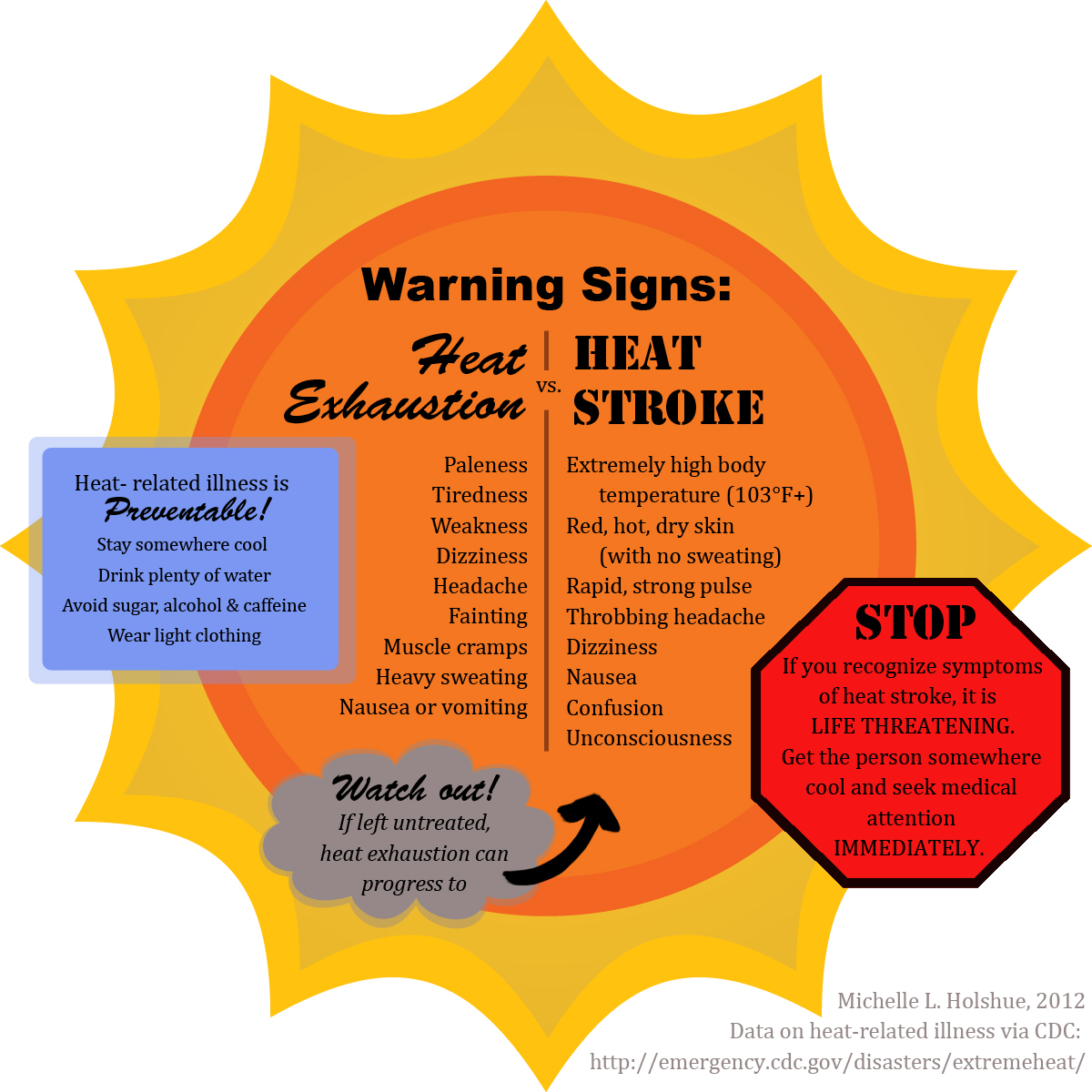
Warning signs of heat stroke vary but may include the following:

  • An extremely high body temperature (above 103°F)
  • Red, hot, and dry skin (no sweating)
  • Rapid, strong pulse
  • Throbbing headache
  • Dizziness
  • Nausea
  • Confusion
  • Unconsciousness

What is heat exhaustion? 
Heat exhaustion is a milder form of heat-related illness that can develop after several days of exposure to high temperatures and inadequate or unbalanced replacement of fluids. Those most prone to heat exhaustion are elderly people, those with high blood pressure, and those working or exercising in a hot environment.

What are the warning signs of heat exhaustion? 
The warning signs of heat exhaustion include the following:

  • Heavy sweating
  • Paleness
  • Muscle cramps
  • Tiredness
  • Weakness
  • Dizziness
  • Headache
  • Nausea or vomiting
  • Fainting
  • The skin may be cool and moist. The pulse rate will be fast and weak, and breathing will be fast and shallow. If heat exhaustion is untreated, it may progress to heat stroke. See medical attention if symptoms worsen or last longer than one hour.

What steps can be taken to cool the body during heat exhaustion? 

  • Drink cool, nonalcoholic beverages.
  • Rest.
  • Take a cool shower, bath, or sponge bath.
  • Seek an air-conditioned environment.
  • Wear lightweight clothing.

What are heat cramps and who is affected?
Heat cramps are muscle pains or spasms – usually in the abdomen, arms, or legs – that may occur in association with strenuous activity. People who sweat a lot during strenuous activity are prone to heat cramps. This sweating depletes the body’s salt and moisture. The low salt level in the muscles causes painful cramps. Heat cramps may also be a symptom of heat exhaustion. If you have heart problems or are on a low-sodium diet, seek medical attention for heat cramps.

What should I do if I have heat cramps? 
If medical attention is not necessary, take the following steps:

  • Stop all activity and sit quietly in a cool place.
  • Drink clear juice or a sports beverage.
  • Do not return to strenuous activity for a few hours after the cramps subside because further exertion may lead to heat exhaustion or heat stroke.
  • Seek medical attention for heat cramps if they do not subside in 1 hour.

What is heat rash? 
Heat rash is a skin irritation caused by excessive sweating during hot, humid weather. It can occur at any age but is most common in young children. Heat rash looks like a red cluster of pimples or small blisters. It is more likely to occur on the neck and upper chest, in the groin, under the breasts, and in elbow creases.

What is the best treatment for heat rash?
The best treatment for heat rash is to provide a cooler, less humid environment. Keep the affected area dry. Dusting powder may be used to increase comfort, but avoid using ointments or creams — they keep the skin warm and moist and may make the condition worse.

How effective are electric fans in preventing heat-related illness? 
Fans will not prevent heat-related illness. Taking a cool shower or bath or moving to an air-conditioned place is a much better way to cool off. Air conditioning is the strongest protective factor against heat-related illness. Exposure to air conditioning for even a few hours a day will reduce the risk for heat-related illness. Consider visiting a shopping mall or public library for a few hours.

How can people protect their health when temperatures are extremely high?
Remember to keep cool and use common sense. Drink plenty of fluid, replace salts and minerals, wear appropriate clothing and sunscreen, pace yourself, stay cool indoors, schedule outdoor activities carefully, use a buddy system, monitor those at risk, and adjust to the environment.

How much should I drink during hot weather?
During hot weather you will need to drink more liquid than your thirst indicates. Increase your fluid intake, regardless of your activity level. During heavy exercise in a hot environment, drink two to four glasses (16-32 ounces) of cool fluids each hour. Avoid drinks containing alcohol because they will actually cause you to lose more fluid.

What is the best clothing for hot weather or a heat wave? 
Wear as little clothing as possible when you are at home. Choose lightweight, light-colored, loose-fitting clothing. In the hot sun, a wide-brimmed hat will provide shade and keep the head cool. If you must go outdoors, be sure to apply sunscreen 30 minutes prior to going out and continue to reapply according to the package directions. Sunburn affects your body’s ability to cool itself and causes a loss of body fluids. It also causes pain and damages the skin.

What should I do if I work in a hot environment? 
Pace yourself. If you are not accustomed to working or exercising in a hot environment, start slowly and pick up the pace gradually. If exertion in the heat makes your heart pound and leaves you gasping for breath, STOP all activity. Get into a cool area or at least in the shade, and rest, especially if you become lightheaded, confused, weak, or faint.


heat-illness

[JPG, 680.44 KB] Click on image for full size view.

Protect Your Septic System

It’s important to maintain your septic system. Don’t wait until there are problems! Check out this helpful video put together by the University of Georgia Marine Extension Service, Georgia Sea Grant College Program, Water Quality Program. The UGA Marine Extension Service is a combination of programs, research, and education, geared toward improved sustainability and environmental consciousness of marine industries and coastal ecosystems. This public service announcement is an effort to make the public more conscious of maintaining their septic tank systems.

Free HIV Testing Events Scheduled in Chatham and Glynn Counties

The U.S. Center for Disease Control and Prevention (CDC) estimates that one out of five people living with HIV/AIDS in the U.S. is unaware of their HIV status. National Testing Day is an opportunity for people to learn of their HIV status and to gain knowledge to take control of their lives. The Chatham and Glynn CARE Centers, Coastal Health District centers for expanded HIV services, are pleased to offer free HIV testing as part of this global effort.

The Coastal Health District HIV program will offer free HIV testing at several locations in June in observance of National HIV Testing Day. Testing will be done without the use of a needle and those tested will get results in 20 minutes. A follow-up visit will be scheduled for anyone who tests positive and counseling will be made available to those individuals.

Volunteers are also needed to help with the HIV testing events. Volunteer positions include greeters, client intake specialists, data entry specialists, client flow staff, and form couriers.

For more information, please call Diane DeVore at (912) 353-3276 or e-mail Diane.DeVore@dph.ga.gov


HIV Free Testing Locations Flyer 6.15_Layout 1.qxd [JPG, 1.47 MB]

Share the Fun, Not the Germs, in the Pool

The weather is getting warmer and that means more trips to the pool and water parks. And while the water looks inviting, it can harbor germs that may cause Recreational Water Illnesses (RWIs). According to the Centers for Disease Control and Prevention (CDC), RWIs can be caused by germs spread by swallowing, breathing in mists or aerosols of, or having contact with contaminated water in swimming pools, hot tubs/spas, water playgrounds, lakes, rivers, or oceans. RWIs can be a wide variety of infections, including gastrointestinal, skin, ear, respiratory, eye, neurologic, and wound infections. There are steps we can all take to avoid RWIs.

share-fun-not-germs-508c_Page_1 1000 [JPG, 247.17 KB]

share-fun-not-germs-508c_Page_21000

[JPG, 201.23 KB] Click on image for full size view.


Want more information on safe and healthy swimming? Check out the CDC’s website.

Free Mammogram Events in McIntosh & Long counties

The Long and McIntosh County Health Departments, in conjunction with the Susan G. Komen Coastal Georgia Affiliate and Southeast Georgia Health System (SGHS), will hold free breast screenings and mammogram events for women who meet eligibility requirements.

Breast exams and mammograms will be offered to women over the age of 40 who have not had a mammogram in the last year and who meet certain criteria, including those with no insurance or limited insurance coverage. Mammogram screenings will be provided by the SGHS Wellness on Wheels (WOW) mobile health vehicle. No appointment is necessary.

McIntosh County Health Department Mammogram Event
Monday, May 18
8:30 a.m. to 3:30 p.m.
Piggly Wiggly parking lot, 15759 U.S. Highway 17, Townsend
For more information on the McIntosh County event, please call the Health Department at 832-5473.


Long County Health Department Mammogram Event

Tuesday, May 19
8:30 a.m. to 3 p.m.
IGA located on Hwy. 84, Ludowici

Other agencies on hand that day include WellCare, Amerigroup, Peachstate, Right from the Start Medicaid, Georgia Families, Helen’s Haven, and Tricounty Protective Agency. Carolyn, “The Pink Fire Truck,” will also be there and there will be free giveaways for participants.
For more information on the Long County event, please call the Health Department at 912-545-2107.