The Coastal Health District of Georgia serves the counties of Bryan, Camden, Chatham, Effingham, Glynn, Liberty, Long & McIntosh

Posts by District_PIO


Raccoon on Isle of Hope Tests Positive for Rabies

CHATHAM COUNTY, GA – A raccoon on Isle of Hope’s Bluff Drive has tested positive for rabies. The raccoon bit a resident who subsequently sought medical attention.

Several species of wild animals that are native to coastal Georgia – including raccoons, foxes, and bats – can carry rabies. Rabies is a potentially deadly virus that is primarily spread by infected animals. The Chatham County Health Department Environmental Health office offers these tips to protect you and your family from rabies:

  • Avoid contact with animals you don’t know.
  • Make sure your pets receive the proper immunizations. Dogs and cats should get rabies vaccines after 12 weeks of age, followed by a booster shot within one year and vaccination every 1-3 years depending on veterinary recommendation and vaccine used.
  • Do not handle, feed, or unintentionally attract wild animals with open garbage cans or by leaving pet food out at night.
  • Never adopt wild animals or bring them into your home. Do not try to nurse sick animals to health. Call animal control or a properly licensed animal rescue agency for assistance.
  • Teach children to never handle unfamiliar animals, wild or domestic, even if they appear friendly. “Love your own, leave other animals alone” is a good principle for children to learn.


Symptoms of rabies in animals include a change in behavior, biting, aggression, showing no fear of natural enemies (such as humans), foaming at the mouth, and paralysis.

If an animal ever bites you, seek medical care immediately and contact Chatham County Animal Services at 912-652-6575 and the Chatham County Environmental Health office at 912-356-2160.


New Call Center Established for COVID-19 Testing in the Coastal Health District

The Coastal Health District has established a new call center at 1-912-230-9744 to screen individuals for COVID-19 testing. The center will take calls Monday through Friday from 8 a.m. – 7 p.m., and Saturday from 8:30 a.m. – 5 p.m. This is part of a statewide expansion of COVID-19 testing by the Georgia Department of Public Health.

The following people can request testing through the COVID-19 Call Center:

  • Anyone with symptoms of COVID-19, which include fever, cough, and shortness of breath.
  • These individuals without symptoms – healthcare workers, emergency responders, critical infrastructure workers, and people living or working in group settings like long-term care facilities.

If you meet the criteria for testing, you will be given an appointment for one of our drive-through specimen collection sites. All screening must be done over the phone – do not visit a health department clinic in person for screening. There is no cost for the test.

If you want to be tested for COVID-19 through the health department, start the process by calling 1-912-230-9744 if you live in one of the 8 counties of the Coastal Health District – Bryan, Camden, Chatham, Effingham, Glynn, Liberty, Long, and McIntosh Counties. Visit our website at covid19.gachd.org for a list of call centers in other Georgia counties.

Doctor’s offices, urgent care centers, and hospitals will also continue to provide testing for COVID-19 and may continue to refer patients to public health for specimen collection.

Nuevo Centro de Llamadas Establecido para la Prueba COVID-19
en el Distrito Costero de Salud

El Distrito de Salud Costero ha establecido un nuevo centro de llamadas en 1-912-230-9744 para evaluar a las personas para la prueba COVID-19. El centro se atenderán llamadas de Lunes a Viernes de 8 a.m. a 7 p.m. y los Sábados de 8:30 a.m. a 5 p.m. Esto es parte de una expansión estatal de las pruebas COVID-19 por parte del Departamento de Salud Pública de Georgia.

Las siguientes personas pueden solicitar pruebas a través de su departamento de salud local:

  • Cualquier persona con síntomas de COVID-19, que incluyen fiebre, tos y dificultad para respirar
  • Estas personas sin síntomas: trabajadores de la salud, personal de respuesta a emergencias, trabajadores de infraestructura crítica y personas que viven o trabajan en entornos grupales como centros de atención a largo plazo.

Si cumple con los criterios para la prueba, se le dará una cita para uno de nuestros sitios donde se conduce la recolección de muestras. Todas las pruebas previas de detección deben realizarse por teléfono   ̶̶̶̶̶̶̶̶̶̶ por favor no visite las clínicas del departamento de salud en persona para hacerse una prueba. No hay costo para la prueba.

Si desea hacerse la prueba de COVID-19 a través del departamento de salud, comience el proceso llamando al 1-912-230-9744 si vive en uno de los ocho  condados del Distrito de Salud Costero: Bryan, Camden, Chatham, Effingham, Condados de Glynn, Liberty, Long y McIntosh. Visite nuestro sitio web en covid19.gachd.org para obtener una lista de los centros de llamadas en otros condados de Georgia.

Los consultorios médicos, los centros de atención urgente y los hospitales también continuarán brindando pruebas para COVID-19 y pueden continuar referiendo a sus pacientes a la Salud Pública para la recolección de muestras.

STD Awareness

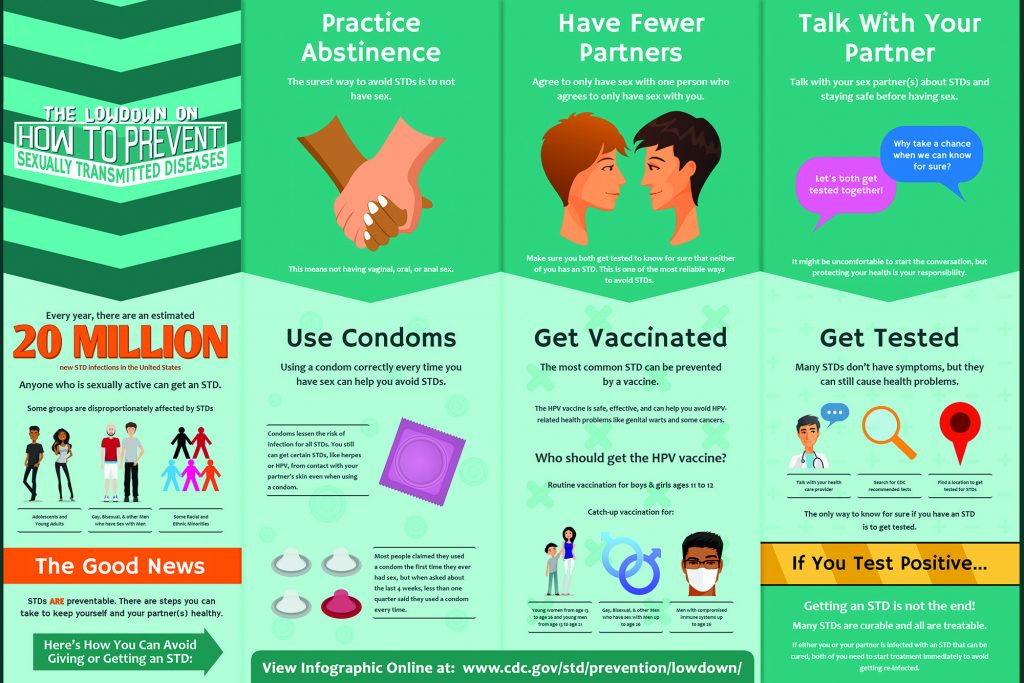
Rates of Sexually transmitted diseases (STDs) are on the rise in Georgia and across the country. According to the Centers for Disease Control and Prevention (CDC), 20 million new STDs occur each year in the United States. And did you know that young people age 15-24 are at higher risk of getting STDs? In fact, they make up half of all new STDs each year.

Many STDs don’t have symptoms. The only way to know if you have an STD to get tested. The good news is that STDs can be prevented.

All health departments in Bryan, Camden, Chatham, Effingham, Glynn, Liberty, Long, and McIntosh counties provide STD testing and counseling. While we are in the middle of the COVID-19 pandemic, all health departments services are by appointment only.

Get more information on specific STDs here.

WIC Services to be Offered Via Telephone Only

CHATHAM COUNTY, GA – To reduce the number of clients coming into health departments, the Coastal Health District is moving to phone-only appointments for families enrolled in the Women, Infants, and Children (WIC) program beginning Monday, April 13.

WIC clients in all Coastal Health District counties will receive a text message with this information. There is no immediate need for clients to respond when they receive the text. Our clinic staff will reach out directly to all clients to complete appointments and make sure the addresses we have on file are correct so WIC vouchers can be mailed.

For more information on WIC services, go to GaCHD.org/WIC.

Sharp Increases in COVID-19 Cases and Deaths in Georgia

Atlanta – The numbers of cases and deaths from COVID-19 have steadily increased in Georgia and around the country in recent days. These numbers are dramatic, and the grief over loved ones lost to the virus is unfathomable. With more testing, the numbers will continue to increase.

Without question, these numbers also tell us that COVID-19 is widespread throughout Georgia. The Georgia Department of Public Health (DPH) is calling on all Georgians to do their part to stop further spread of this deadly virus.

Stay home – the Governor has issued a shelter-in-place Executive Order that should be observed by all residents and visitors.

Practice social distancing – keep at least 6 feet between yourself and other people.

Wash your hands – use soap and water and scrub for at least 20 seconds. Use an alcohol-based hand sanitizer (60% alcohol) if soap and water aren’t readily available.

Wear a mask – The CDC now recommends the use of face masks to help slow the spread of COVID-19, especially where socials distancing is difficult to maintain (grocery stores, pharmacies, etc.), and especially in areas of significant community-based transmission. The

CDC also advises the use of simple cloth face coverings to slow the spread of the virus and help people who may have the virus and do not know it from transmitting it to others.

We know that increased testing means the number of positive cases will increase. But along with that, we are also seeing further spread of COVID-19 throughout Georgia,” said Kathleen E. Toomey, M.D., M.P.H., DPH commissioner. “We can stop the spread of COVID-19 in Georgia, but every Georgian must take personal responsibility now and follow the prevention guidance to keep this deadly virus from taking any more precious lives.”

For more information about COVID-19 https://dph.georgia.gov/novelcoronavirus or https://www.cdc.gov/coronavirus/2019-ncov/index.html.

For updates on the COVID-19 situation as it develops, follow @GaDPH, @GeorgiaEMA, and @GovKemp on Twitter and @GaDPH, @GEMA.OHS, and @GovKemp on Facebook.

New Data Supports Social Distancing Now More Than Ever

Atlanta – As Governor Brian Kemp and DPH Commissioner Kathleen E. Toomey, M.D., M.P.H., finalize the details of the Executive Order requiring Georgians to shelter in place, it is important to emphasize why these measures are needed now to keep all Georgians healthy and safe and to stop the spread of COVID-19.

For weeks it has been known that people who were positive for COVID-19 but did not have symptoms likely were able to transmit the virus. However, on March 30, Centers for Disease Control and Prevention (CDC) Director Robert Redfield, M.D., confirmed that new data indicates that as many as 25% of individuals infected with COVID-19 remain asymptomatic. Additionally, science also now informs us that individuals who are symptomatic, are infectious up to 48 hours before symptoms appear. This new information tells the health care community, medical researchers, public health and governments why COVID-19 is spreading so rapidly.

“Until now, containing the spread of COVID-19 has been based on early detection and isolation of people with symptoms of the virus,” said Toomey. “Social distancing and keeping people apart from each other are now more than just recommendations; they are the best weapons we have to stop the spread of COVID-19.”

In addition to social distancing, all Georgians are reminded to wash their hands frequently and thoroughly with soap and water, or use an alcohol-based hand sanitizer (60% alcohol) when soap and water aren’t available. Avoid touching your face, nose, mouth and eyes with unwashed hands. Cover your coughs and sneezes with a tissue, and throw the used tissue in the trash.

To read more about presymptomatic transmission of COVID-19: https://www.cdc.gov/coronavirus/2019-ncov/hcp/clinical-guidance-management-patients.html

https://www.cdc.gov/mmwr/volumes/69/wr/mm6914e1.htm?s_cid=mm6914e1_w

For more information about COVID-19 https://dph.georgia.gov/novelcoronavirus or https://www.cdc.gov/coronavirus/2019-ncov/index.html.

For updates on the COVID-19 situation as it develops, follow @GaDPH, @GeorgiaEMA, and @GovKemp on Twitter and @GaDPH, @GEMA.OHS, and @GovKemp on Facebook.

Volunteer for COVID-19 Response

Atlanta – The Georgia Department of Public Health (DPH) is receiving offers from medical professionals and other individuals looking for ways to help with the COVID-19 response. An effective response relies on volunteers who are pre-credentialed and organized. Georgia Responds is Georgia’s health and medical volunteer program which matches the skills and credentials of medical and nonmedical volunteers to help stop the spread of COVID-19 in Georgia.

Medical volunteers may be used to answer medical questions coming into the COVID-19 hotline, or assist at test specimen collection sites. Nonmedical volunteers may be used in administrative roles at either the call-center or test collection sites, or provide interpretation or other skills as needed.

To volunteer, log on to https://dph.georgia.gov/georgia-responds and click on the “Register Now” box. Registering only takes a few minutes. Prospective volunteers will be asked for their name, address, contact information and occupation type. In order to be eligible for some assignments, responders are encouraged to complete a profile summary, which includes skills and certifications, training, medical history, emergency contact and deployment preferences

Once your skills and credentials are reviewed, you will be notified by a DPH representative.

All Georgians play a critical role in helping to slow the spread of COVID-19 by adhering to the following guidance:

  • Practice social distancing by putting at least 6 feet between yourself and other people.
  • Avoid close contact with people who are sick.
  • Stay home if you are sick.
  • Wash your hands frequently and thoroughly with soap and water.
  • Use an alcohol-based hand sanitizer if soap and water are not available.
  • Cover your cough or sneeze with a tissue, then throw the tissue in the trash.
  • Avoid touching your eyes, nose and mouth with unwashed hands.

For updates on the COVID-19 situation as it develops, follow @GaDPH, @GeorgiaEMA, and @GovKemp on Twitter and @GaDPH, @GEMA.OHS, and @GovKemp on Facebook.

For information about COVID-19, visit https://dph.georgia.gov/novelcoronavirus or https://www.cdc.gov/coronavirus/2019-ncov/index.html.

Georgia State-wide Rumors and Scams

Chatham County Emergency Management Agency– On a daily basis, distinguishing between rumors and factual information on social media can be challenging. With a public health pandemic, such as the COVID-19 outbreak, it is very easy for false information to spread quickly. There are several ads, promotions and websites that prey on vulnerable individuals in an attempt to sell them items to decrease their risk of contracting COVID-19 or offer services that do not exist. Stay on the lookout for promotions that claim their products can treat, prevent or cure the Coronavirus/COVID-19. Chatham County officials are asking everyone to be mindful of the source of the information and to only follow guidance from sites including the Centers for Disease Control, The Georgia Department of Public Health and other local, state or national government agencies.   

In a recent press release from Georgia’s Attorney General Chris Carr’s office, Carr said “Scammers may try to take advantage of consumers during a time when fears and health concerns are at an all-time high…At best, these fake cures are simply a waste of money, while at worst, they can have dire consequences.”

According to AG Carr, the following companies have received warning letters from the FTC and FDA for selling unapproved or misbranded products that the companies claimed could treat or prevent the Coronavirus: 

  • Vital Silver
  • Aromatherapy Ltd.
  • N-ergetics
  • GuruNanda, LLC
  • Vivify Holistic Clinic
  • Herbal Amy LLC
  • The Jim Bakker Show

AG Carr also discussed how the FDA has warned consumers against drinking a product called “Miracle Mineral Solution” or “MMS,” which has been touted as a way to prevent coronavirus and cure a myriad of other illnesses, including cancer and HIV/AIDS. The FDA warns that this product is essentially a “dangerous bleach” that could cause severe vomiting and acute liver failure. Consumers should also be wary of claims that products containing colloidal silver can prevent or cure the Coronavirus. Not only is there no medical evidence supporting these claims, the FDA and National Institutes of Health warn that colloidal silver is not safe to use and can even cause argyria, a bluish-gray skin discoloration that’s typically permanent. If you’re tempted to buy an unproven product or one with uncertain claims, check with your doctor or other health care professional first.

For an updated list of rumors and myths, please visit: https://www.fema.gov/coronavirus-rumor-control

Confirmed Case of COVID-19 in Effingham County

An Effingham County resident has tested positive for COVID-19. The individual is currently hospitalized, and the source of exposure is unknown. Coastal Health District epidemiologists are gathering more information which can be used to notify others who may have had close contact with the individual. This is the third resident of the Coastal Health District to test positive for COVID-19 .

We understand that people want to be tested but the reality is that we do not yet have the capacity for widespread community testing or screening. Fortunately, most people who are mildly or moderately ill can safely recover at home while self-isolating and treating symptoms.

Testing must be prioritized, as testing capacity and medical supplies are limited. Priority individuals include:

  • persons 65 and older,
  • those with chronic, underlying health conditions,
  • those who live in a long-term care facility like an assisted living facility or nursing home
  • those serving on the front lines as a healthcare worker, first responder, long-term care facility staffer, or law enforcement officer.

Please continue to remain vigilant and practice good health hygiene including washing hands regularly and thoroughly with soap and water (if you don’t have soap, use alcohol-based hand sanitizer with at least 60 percent alcohol), staying home and away from others if you are sick, regularly cleaning common surfaces such as doorknobs, countertops, computer keyboards, and light switches, and covering your cough with a tissue and throw the tissue away or cough into the crook of your elbow. For accurate information about COVID-19 in our area, visit the Georgia Department of Public Health at dph.ga.gov, or the Coastal Health District at GaCHD.org.

Confirmed Case of COVID-19 in Glynn County

A person in Glynn County has tested positive for COVID-19, the first confirmed case in a resident of the Coastal Health District. The individual is currently isolated at home, and the source of the exposure is unknown.

“This is not the news we wanted to hear, but it is not unexpected,” says Dr. Lawton Davis, Health Director of the Coastal Health District which includes the Glynn County Health Department. “We have been preparing for this. Our hospitals and healthcare providers have been preparing for this.”

All Georgians play a critical role in helping to slow the spread of COVID-19:

  • Practice social distancing by putting at least 6 feet between yourself and other people.
  • Avoid close contact with people who are sick; stay home if you are sick.
  • Wash your hands frequently and thoroughly with soap and water. Use an alcohol-based hand sanitizer if soap and water are not available.
  • Cover your cough or sneeze with a tissue, then throw the tissue in the trash.
  • Avoid touching your eyes, nose and mouth with unwashed hands.

People who do not have symptoms of COVID-19 do not need to be tested. Additionally, most people who are mildly or moderately ill with “cold-like” symptoms do not need testing and can safely recover at home while self-isolating and treating symptoms. Because testing equipment and medical supplies are limited, testing must be prioritized for people at highest risk of severe illness,  or those most likely to spread the illness to other high-risk individuals, such as healthcare workers, emergency responders, or people living in a congregate setting like a nursing home. For accurate information about COVID-19 in our area, visit the Georgia Department of Public Health at dph.ga.gov, or the Coastal Health District at GaCHD.org/COVID19.