A raccoon at The Landings on Skidaway Island has tested positive for rabies after being killed by a family dog. The dog is up-to-date on rabies vaccinations and received a rabies booster as a precaution. The dog will also be under a 45-day home observation.
Residents are encouraged to call the Chatham County Environmental Health office at 356-2160 or Chatham County Animal Control at 525-2408 if they see any animal exhibiting abnormal behavior. Symptoms of rabies in animals include a change in behavior, biting, aggression, showing no fear of natural enemies (such as humans), foaming at the mouth, and paralysis.
Several species of wild animals that are native to coastal Georgia – including raccoons, foxes, and bats – can carry rabies. Rabies is a potentially deadly virus that is primarily spread by infected animals. The Chatham County Health Department Environmental Health Division offers these tips to protect you and your family from rabies:
Avoid contact with animals you don’t know.
Make sure your pets receive the proper immunizations. Dogs and cats should get rabies vaccines by four months of age, followed by a booster shot one year later, and another one every year as prescribed by your veterinarian.
Do not handle, feed, or unintentionally attract wild animals with open garbage cans or by leaving pet food out at night.
Never adopt wild animals or bring them into your home. Do not try to nurse sick animals to health. Call animal control or a properly licensed animal rescue agency for assistance.
Teach children to never handle unfamiliar animals, wild or domestic, even if they appear friendly. “Love your own, leave other animals alone” is a good principle for children to learn.
Summer is here and as more people make their way outside for activities, Coastal Health District officials want to remind residents to take precautions to avoid mosquitoes. Mosquitoes are annoying but can also carry diseases such as West Nile Virus, chikungunya, or Zika Virus.
The best way to protect ourselves from mosquitoes is to prevent them from breeding. One of the most effective ways of preventing the spread of mosquito-borne viruses is controlling the mosquito population by eliminating standing water around the home and in the yard. Mosquitoes lay eggs in water; just a bottle cap of water is all they need.
After every rainfall – or at least once a week – tip out water in flowerpots, planters, children’s toys, wading pools, buckets and anything else around your yard that can hold water. If it holds water and you don’t need it (old tires, bottles, cans), toss it out.
Also:
Clean out gutters.
Remove piles of leaves.
Tightly cover water storage containers (buckets, cisterns, rain barrels) so that mosquitoes cannot get inside to lay eggs.
Keep vegetation cut low to prevent landing sites for adult mosquitoes.
For containers without lids or that are too big to Tip ‘n Toss (bird baths, garden pools), use larvicides such as mosquito dunks or mosquito torpedoes and follow the label instructions. Larvicides will not hurt birds or animals.
Homeowners associations and neighborhoods, along with city and county governments, are encouraged to sponsor community cleanup days.
Make sure to keep doors shut and cover windows with screens. Repair or replace any screens with holes in them.
Use EPA-registered insect repellents containing 20%-30% DEET, Picaridin, IR3535, or Oil of Lemon Eucalyptus when outdoors. Wear light colored clothing with long sleeves, long pants and socks to help prevent mosquito bites.
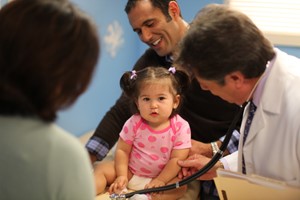
You want to do what is best for your children. You know about the importance of car seats, baby gates and other ways to keep them safe. But, did you know that one of the best ways to protect your children is to make sure they have all of their vaccinations? [JPG, 16.17 KB]
Immunizations can save your child’s life.
Because of advances in medical science, your child can be protected against more diseases than ever before. Some diseases that once injured or killed thousands of children are no longer common in the U.S. – primarily due to safe and effective vaccines. Polio is one example of the great impact that vaccines have had in the United States. Polio was once America’s most feared disease, causing death and paralysis across the country, but thanks to vaccination the United States has been polio-free since 1979. Due to continual worldwide vaccination efforts, Afghanistan and Pakistan are the only two countries in the world that have never interrupted the spread of wild poliovirus, and only small pockets of polio still exist in these countries
Vaccination is very safe and effective.
Vaccines are only given to children after careful review by scientists, doctors, and healthcare professionals. Vaccine side effects are almost always mild such as redness or swelling at the site of the shot, but this is minimal compared to the pain, discomfort, and risk of injury and death from the diseases these vaccines prevent. Serious side effects following vaccination, such as severe allergic reaction, are very rare. The disease-prevention benefits of getting vaccinated are much greater than the possible side effects for almost all children.
Immunization protects others you care about.
Children in the U.S. still get vaccine-preventable diseases. In fact, we have seen resurgences of measles and whooping cough (pertussis) over the past few years. For example, in 2014, there were 667 cases of measles in 27 states, the greatest number of cases since measles was eliminated in 2000. The following year saw measles cases as well. During 2015, 147 people were part of a large, multi-state measles outbreak linked to an amusement park in California. Almost one in 10 people who became sick with measles in this outbreak were babies too young to be vaccinated. While some babies are too young to be protected by vaccination, others may not be able to receive certain vaccinations due to severe allergies, weakened immune systems from conditions like leukemia, or other reasons. To help keep them safe, it is important that you and your children who are able to get vaccinated are fully immunized. This not only protects your family, but also helps prevent the spread of these diseases to your friends and loved ones.
Immunizations can save your family time and money.
A child with a vaccine-preventable disease can be denied attendance at schools or daycare facilities. Some vaccine-preventable diseases can result in prolonged disabilities and can take a financial toll because of lost time at work, medical bills or long-term disability care. In contrast, getting vaccinated against these diseases is a good investment and usually covered by insurance. The Vaccines for Children program is a federally funded program that provides vaccines at no cost to children from low-income families. Visit http://www.cdc.gov/vaccines/programs/vfc/index.html to find out more about the VFC program, or ask your child’s health care professional.
Immunization protects future generations.
Vaccines have reduced and, in some cases, eliminated many diseases that killed or severely disabled people just a few generations ago. For example, smallpox vaccination eradicated that disease worldwide. Your children don’t have to get smallpox shots anymore because the disease no longer exists anywhere in the world. By vaccinating children against rubella (German measles), we have dramatically reduced the risk that pregnant women will pass this virus on to their fetus or newborn, and birth defects associated with that virus are seen in only rare cases in the United States when a pregnant woman who was never vaccinated against rubella is exposed to someone who contracted rubella in another country. If we continue vaccinating now, and vaccinating completely, parents in the future may be able to trust that some diseases of today will no longer be around to harm their children in the future.
Physical activity and nutrition are essential for children to develop healthy lifestyles that will help reduce the risk of chronic disease later in life. To that end, the Georgia Department of Public Health, Georgia Shape, HealthMPowers, Inc. and Bright from the Start: Georgia Department of Early Care and Learning have developed Growing Fit Kit: Wellness Policies for Georgia’s Early Care Environment. Two free four-hour sessions will be held to present the tool kit to early care center coordinators and staff.
Training sessions will be held:
8 a.m. – 12 p.m. and 1 p.m. – 5 p.m.
Friday, April 22
400 Mall Blvd. (2nd floor in the Coastal Health District conference room)
The tool kit provides a step-by-step process guiding early care educators in the development and/or improvement of nutrition and physical activity policies and practices. It also contains an explanation of the importance of a wellness policy, a self-assessment tool to evaluate current policies and practices, success stories from other early care settings, healthy eating and physical activity resources, and a planning document with suggestions and examples for writing the policy.
This educational learning experience is a Bright from the Start: Georgia Department of Early Care and Learning approved CEU course allowing participants to earn required training units while strengthening their wellness policy efforts to create healthy environments for students to learn and teachers to work. This training also helps move centers toward achievement of Quality Rated standards set by the Department of Early Care and Learning.
To register for either training session, please contact Cristina Gibson at 912-644-5818 or email cristina.gibson@dph.ga.gov.
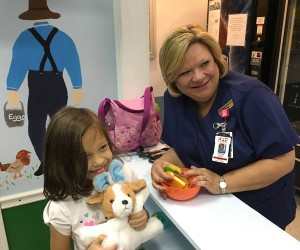
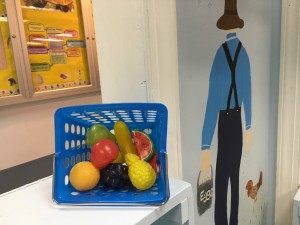
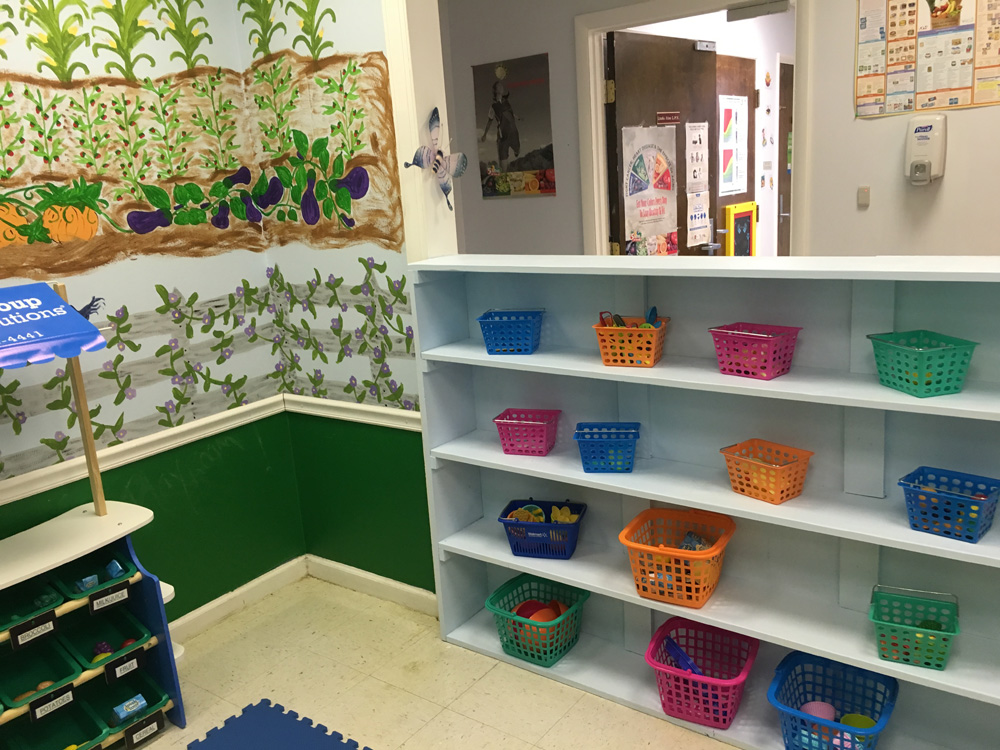
Effingham County Health Department employees recently opened an area in the health department waiting room that is specifically designed for children. “The Farmers Market” is geared toward promoting healthy foods such as fruits and vegetables while at the same time giving children a place to play until it’s time for their appointment.
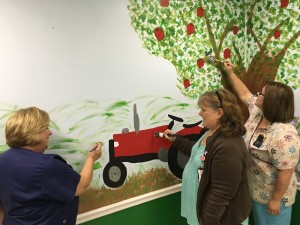
The area is stocked with a small vegetable stand along with plastic fruit and vegetables donated by Amerigroup. Both Amerigroup and Wellcare provided healthy snacks for the grand opening. Health department employees designed and painted colorful wall murals depicting garden and farming scenes. The idea came about after some health department employees attended a Women, Infants, and Children (WIC) conference in Atlanta which focused on the importance of nutrition and young children. WIC provides vouchers for healthy foods along with nutrition education for low-income pregnant, breastfeeding, and non-breastfeeding postpartum women, and to infants and children up to age five who are found to be at nutritional risk.
“We put our heads together and came up with the idea to create a special section of our waiting room that we hope will spark an interest in good nutrition not only for the children who play there but also for their parents,” said Effingham County Health Department Nurse Manager, Cindy Grovenstein, R.N. “Eating healthy is so important for our little ones. Exposing them to fruits, vegetables, and other nutritional foods at an early age will go a long way toward laying the groundwork for a healthy adulthood.”
Effingham County Health Department staff designed and painted the murals in the new play area. Standing L to R: Nichelle Screen, customer service representative; Linda Jiles, LPN; Mary Weaver, LPN; Cindy Grovenstein, RN; Tammy Dixon, customer service representative. Kneeling: Paola Aldana-Reyes, RD, LD; and Cindy Adams, customer service representative.
McKenna Whitfield and Cindy Groventstein, RN.
Lila Harmon and Tammy Dixon.
Hudson Whitfield enjoys the new play area at the Effingham County Health Department.
Tammy Dixon, customer service representative, arranges some of the plastic food in the play area.
Cindy Grovenstein, RN; Tammy Dixon, customer service representative; and Cindy Adams, customer service representative, work on the mural in the new children’s play area.
Working to complete the mural which is centered around farming and gardening.
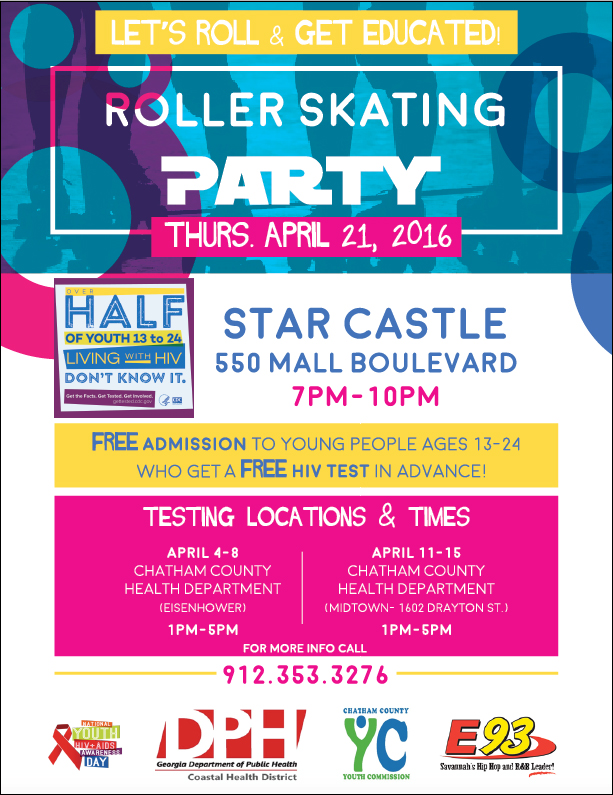
The Coastal Health District is observing National Youth HIV/AIDS Awareness Day with “Know Your Status” Skating Party. Young people ages 13-24 who get tested for HIV at either Chatham County Health Department location between April 4-8 (see below for dates and times) will receive a free admission ticket to a skate party at Star Castle on Thursday, April 21.
HIV testing is free and confidential. No appointment needed.
Testing Locations & Times
1 p.m. – 5 p.m., Monday through Friday, April 4-8
Chatham County Health Department, 1395 Eisenhower Drive, Savannah
1 p.m. – 5 p.m., Monday through Friday, April 11-15
Chatham County Health Department, 1602 Drayton Street, Savannah
Skate Party
7 p.m. – 10 p.m., Thursday, April 21
Star Castle, 550 Mall Boulevard, Savannah
Today’s young people are the first generation that has never known a world without HIV and AIDS. In the United States, almost 40 percent of new HIV infections are young people ages 13 to 29. Despite this harsh reality, young people and their allies are determined to end this pandemic.
It is more important than ever to recommit to the fight against HIV and AIDS. We must continue to invest in scientific advancements like a vaccine and a cure – without forgetting the importance of prevention strategies and ensuring equal access to information and healthcare for everyone.
Most importantly, we must invest in young people – bring them to the table not only as partners, but also as leaders that can truly turn the tide of the HIV and AIDS epidemic. Only by fully investing in young people – in their health, their education, and their leadership – can we reach an AIDS-free generation.
Often when people hear the word “tuberculosis,” they think of a disease that caused harm decades ago. But tuberculosis, commonly referred to as TB, is still a very real problem in the United States and in Georgia where 335 new cases of TB were reported in 2014. In fact, Georgia ranked fifth highest in the country for newly reported TB cases in 2014. March 24 is World TB and this year’s theme is “End TB.”
“TB is still a threat to public health,” said Coastal Health District Tuberculosis Coordinator, Janice Maxwell, R.N. “We had 18 active TB cases in the Coastal Health District in 2014 and while that may not sound like a lot, it just takes one person with active TB to spread it to others. One of the biggest steps we can take toward ending TB is to educate people about the disease in order to prevent its spread.”
TB is a disease that usually affects the lungs but can attack any part of the body. TB is caused by germs that are spread from person to person through the air when a person with active TB coughs, sneezes, speaks, or sings. Although a relatively small number of people exposed to the disease actually contract the infection, active TB disease can be life threatening if left untreated.
People with active TB disease may spread the TB germs to other persons who are usually individuals with whom they have been with in an enclosed space for a prolonged period of time, such as family members and co-workers. Symptoms of TB include a bad cough that lasts three weeks or longer, pain in the chest, coughing up blood or sputum, weakness or fatigue, weight loss, no appetite, chills, fever, and sweating at night.
Anyone who thinks he has been exposed to TB should contact a healthcare provider or local health department to get tested.
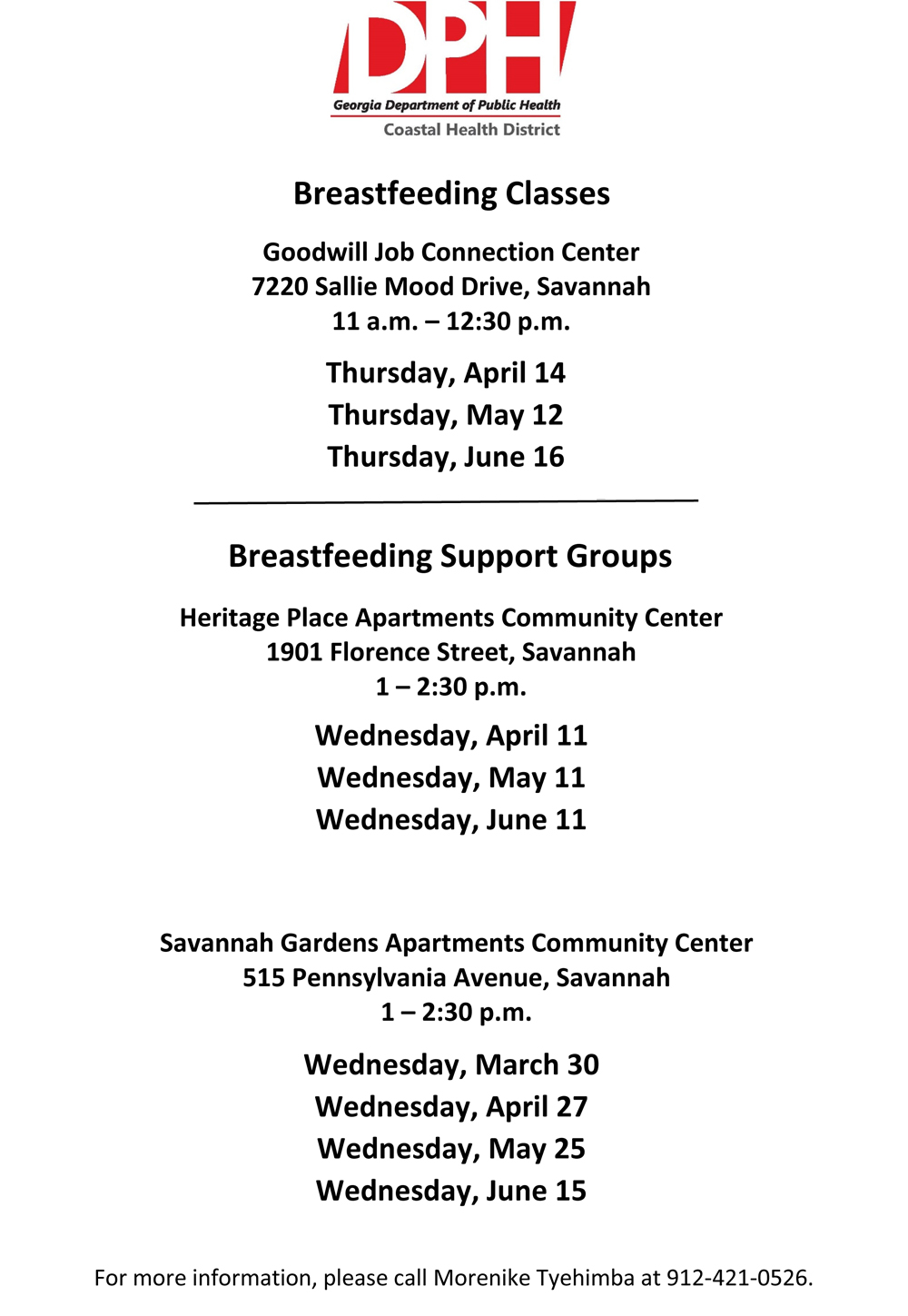
The Coastal Health District’s Breastfeeding Program has received a grant from the National Association of County and City Health Officials (NACCHO) to initiate programs aimed at reducing disparities in breastfeeding in African Americans and underserved communities in Chatham County. The programs will focus on peer and professional lactation support and will last through June 2016.
Funding from the grant will be used to conduct breastfeeding classes; host breastfeeding support groups; train 10 mothers to provide peer support for women who breastfeed; hold a continuing education session for Chatham County Health Department employees; and assist in training a lactation counselor in preparation for the International Board of Certified Lactation Consultant exam.
“This grant will help us promote breastfeeding among underserved populations in Chatham County on a number of different levels,” said Coastal Health District Breastfeeding Coordinator, Monica Lightfoot. “Breastfeeding is not only a great way for mothers and their babies to bond, but breastmilk also contains antibodies that can help protect infants from infections.”
The Coastal Health District provides breastfeeding support through the Women, Infants, and Children (WIC). WIC provides supplemental foods, health care referrals, and nutrition education for low-income pregnant, breastfeeding, and non-breastfeeding postpartum women, and to infants and children who are found to be at nutritional risk.
“Our goal is to educate women about the benefits of breastfeeding and help them become successful at breastfeeding,” said Lightfoot. “While that’s a big part of what we do every day, the NACCHO grant will allow us to expand our efforts even more.”
Let’s face it – nobody likes getting shots – but a shot lasts a second; diseases last much longer. In an effort to protect every adult and child, the Georgia Department of Public Health established Georgia Preteen Vaccine Awareness Week, observed March 13-19, 2016, to serve as a reminder for parents to talk with their preteens and teens about getting immunized against vaccine-preventable diseases.
“Vaccines are the best way to protect our teens against some serious diseases,” said Glynn County Health Department Administrator, Karen Mikell, R.N. “Immunizations also help reduce school absences and decrease the spread of illness in our community.”
According to the Georgia Department of Public Health Rule (511-2-2), all students born on or after January 1, 2002, entering or transferring into seventh grade and any “new entrant” into eighth -12th grades in Georgia need proof of an adolescent pertussis (whooping cough) booster vaccination (called “Tdap”) AND an adolescent meningococcal vaccination.
“Our preteens are branching out. They go to overnight camps, attend parties and play sports – they are becoming increasingly social. While these are all fun parts of being a teenager, they can also increase their risk for contracting potentially life-threatening diseases,” said Sheila Lovett, director for the Georgia Department of Public Health Immunization Program. “Let’s protect our children by vaccinating them when they are most vulnerable to exposure to vaccine-preventable diseases.”
The CDC currently recommends the following vaccines for preteens and teens:
Tetanus, Diphtheria and Pertussis (Tdap)
Influenza (flu)
Human Papillomavirus (HPV) – three doses
Meningococcal Disease (MenACWY)
For more information on vaccines for all ages call the Glynn County Health Department at 912-264-3961 or click HERE.
Let’s face it – nobody likes getting shots – but a shot lasts a second; diseases last much longer.
In an effort to protect every adult and child, the Georgia Department of Public Health established Georgia Preteen Vaccine Awareness Week, observed March 13-19, 2016, to serve as a reminder for parents to talk with their preteens and teens about getting immunized against vaccine-preventable diseases.
“Our preteens are branching out. They go to overnight camps, attend parties and play sports – they are becoming increasingly social. While these are all fun parts of being a teenager, they can also increase their risk for contracting potentially life-threatening diseases,” said Sheila Lovett, director for the Georgia Department of Public Health Immunization Program. “Let’s protect our children by vaccinating them when they are most vulnerable to exposure to vaccine-preventable diseases.”
According to the Georgia Department of Public Health Rule (511-2-2), all students born on or after January 1, 2002, entering or transferring into seventh grade and any “new entrant” into eighth -12th grades in Georgia need proof of an adolescent pertussis (whooping cough) booster vaccination (called “Tdap”) AND an adolescent meningococcal vaccination (MenACWY). This law affects all public and private schools including, but not limited to charter schools, community schools, juvenile court schools and other alternative school settings (excluding homeschool).
Vaccines are the best defense we have against serious, preventable and sometimes deadly contagious diseases. They help avoid expensive therapies and hospitalization needed to treat infectious diseases like influenza and meningitis. Immunizations also reduce absences both at school and after school activities and decrease the spread of illness at home, school and the community.
The CDC currently recommends the following vaccines for preteens and teens:
Tetanus, Diphtheria and Pertussis (Tdap)
Influenza (flu)
Human Papillomavirus (HPV) – three doses
Meningococcal Disease (MenACWY)
Georgia Preteen Vaccine Awareness Week is an opportunity to raise awareness through schools, health care providers and the media regarding preteen immunizations, particularly Georgia’s pertussis and meningococcal requirements for incoming seventh-grade students. Speak with your physician today to find out if your preteen is up-to-date and if not, make a date to vaccinate.


 [JPG, 16.17 KB]



 [JPG, 321.38 KB]
 [JPG, 402.02 KB]
 [JPG, 333.91 KB]