The Coastal Health District of Georgia serves the counties of Bryan, Camden, Chatham, Effingham, Glynn, Liberty, Long & McIntosh

Posts by District_PIO


Two Exposed to Rabid Fox; Public Health Officials Remind Residents to be Cautious

One resident was bitten and another exposed to a fox that has tested positive for rabies. The incident happened in the Peppertree Crossing area of Brunswick. Both have been advised to contact their primary care providers for follow up.

Glynn County Environmental Health officials want to remind residents to stay alert and keep an eye out for any animals acting out of the ordinary. Foxes, along with other animals that are native to coastal Georgia including raccoons and bats, can be carriers of rabies.

Rabies is a potentially deadly virus that is primarily spread by infected animals. Symptoms of rabies in animals include a change in behavior, biting, aggression, showing no fear of natural enemies (such as humans), foaming at the mouth, and paralysis. The Glynn County Health Department Environmental Health Division offers these tips to protect you and your family from rabies:

  • Avoid contact with animals you don’t know.
  • Make sure your pets receive the proper immunizations. Dogs and cats should get rabies vaccines by four months of age, followed by a booster shot one year later, and another one every one to three years as prescribed by your veterinarian.
  • Do not handle, feed, or unintentionally attract wild animals with open garbage cans or by leaving pet food out at night.
  • Never adopt wild animals or bring them into your home. Do not try to nurse sick animals to health. Call animal control or a properly licensed animal rescue agency for assistance.
  • Teach children to never handle unfamiliar animals, wild or domestic, even if they appear friendly. “Love your own, leave other animals alone” is a good principle for children to learn.

If an animal ever bites you, seek medical care immediately and contact Glynn County Animal Control at 912-554-7500 and the Glynn County Health Department Environmental Health Division at 279-2940.

Are You Hurricane Ready?

Coastal Georgia is vulnerable to lots of types of severe weather including hurricanes. As hurricane season heats up, residents in Bryan, Camden, Chatham, Effingham, Glynn, Liberty, Long, and McIntosh counties need to be prepared should a major storm come our way.

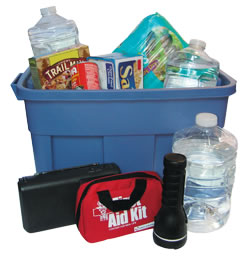
Do you have a plan? The time to prepare is before a storm is threatening our area. Ready.gov has everything a family needs to get prepared for any type of disaster including creating a plan, building a ready kit, and special materials and tips that will help prepare children.

Hurricane season lasts from June 1 through November 30. It’s important to pay attention not only to local weather forecasts to find out about potential approaching storms but also consider the bigger picture of developing storms in the Atlantic Ocean. The National Hurricane Center is a great resource for tracking storms.

What should go in your ready kit?
Ready-Kit-Checklist-Handout_2013
prepare_emergkit [JPG, 28.35 KB]

Get more information on how you can prepare for hurricanes HERE.

Functional and Medical Needs Registry

The Functional and Medical Needs Registry is made up of residents who may require transportation and medical assistance during a hurricane evacuation and have no other resources such as family, friends, neighbors, or church members to help them if they need to evacuate. Residents must apply to be on the registry and if they meet the criteria, someone from the Chatham County Health Department will explain to them, in detail, how and when the Registry will be activated should a storm threaten our area.

Residents who meet the criteria and are put on the Registry will be evacuated to an American Red Cross general population shelter in an inland county.  The shelter will be located in a gym or other similar setting and it could take several hours to get to the shelter because we want to make sure that those on the Registry are transported well out of harm’s way of the storm.

Functional needs registrants are individuals who may need services to maintain their independence in a shelter. This includes children and adults with physical, sensory, mental health, and cognitive and/or intellectual disabilities affecting their ability to function independently without assistance. Medical needs registrants are individuals who require support of trained medical professionals. This includes those individuals who may need assistance with managing unstable, terminal, or contagious conditions that require observation and ongoing treatment.

It’s important to note that people living in nursing homes, assisted living facilities, and personal care homes are not eligible for the Functional and Medical Needs Registry and must follow their facility’s emergency plan.

For more information on the Functional and Medical Needs Registry or to download the registration and consent forms, click HERE.


Parents in Camden Co. Urged to Talk to Children about Staying away from Wild Animals

A raccoon was captured on the playground at St. Marys Elementary School this week. Although the animal did not test positive for rabies, Environmental Health officials still want to emphasize how important it is to talk to children about staying away from animals they don’t know, either wild or domestic. In addition, residents are encouraged to call the Camden County Environmental Health division at 729-6012 or Camden County Animal Control at 576-7395 if they see any animal exhibiting abnormal behavior.

Rabies is a potentially deadly virus that is primarily spread by infected animals. Symptoms of rabies in animals include a change in behavior, biting, aggression, showing no fear of natural enemies (such as humans), foaming at the mouth, and paralysis.

Several species of wild animals that are native to coastal Georgia – including raccoons, foxes, and bats – can carry rabies. The Camden County Health Department Environmental Health division offers these tips to protect you and your family from rabies:

Avoid contact with animals you don’t know.
Make sure your pets receive the proper immunizations. Dogs and cats should get rabies vaccines by four months of age, followed by a booster shot one year later, and another one every year as prescribed by your veterinarian.
Do not handle, feed, or unintentionally attract wild animals with open garbage cans or by leaving pet food out at night.
Never adopt wild animals or bring them into your home. Do not try to nurse sick animals to health. Call animal control or a properly licensed animal rescue agency for assistance.
Teach children to never handle unfamiliar animals, wild or domestic, even if they appear friendly. “Love your own, leave other animals alone” is a good principle for children to learn.

Raccoons Test Positive for Rabies in Chatham County

Raccoons in two different areas of Chatham County have tested positive for rabies. The first, on Talahi Island, was approached by neighborhood children who thought the animal looked sick and tried to feed it to make it feel better. The second, in Pooler, was observed acting strangely and neighbors called police. A family dog attacked and killed the raccoon before authorities arrived. The dog is up-to-date on rabies vaccinations.

Environmental Health officials want to reiterate how important it is to talk to children about staying away from animals they don’t know, either wild or domestic. In addition, residents are encouraged to calling the Chatham County Environmental Health division at 356-2160 or Chatham County Animal Control at 525-2408 if they see any animal exhibiting abnormal behavior. Symptoms of rabies in animals include a change in behavior, biting, aggression, showing no fear of natural enemies (such as humans), foaming at the mouth, and paralysis.

Several species of wild animals that are native to coastal Georgia – including raccoons, foxes, and bats – can carry rabies. Rabies is a potentially deadly virus that is primarily spread by infected animals. The Chatham County Health Department Environmental Health Division offers these tips to protect you and your family from rabies:

  • Avoid contact with animals you don’t know.
  • Make sure your pets receive the proper immunizations. Dogs and cats should get rabies vaccines by four months of age, followed by a booster shot one year later, and another one every year as prescribed by your veterinarian.
  • Do not handle, feed, or unintentionally attract wild animals with open garbage cans or by leaving pet food out at night.
  • Never adopt wild animals or bring them into your home. Do not try to nurse sick animals to health. Call animal control or a properly licensed animal rescue agency for assistance.
  • Teach children to never handle unfamiliar animals, wild or domestic, even if they appear friendly. “Love your own, leave other animals alone” is a good principle for children to learn.

West Nile Virus Discovered in Mosquito Pool in Chatham County; Public Health Officials Continue to Encourage Precautions

West Nile Virus (WNV) has been identified in a mosquito pool in Chatham County and additional evidence that Eastern Equine Encephalitis is circulating in the mosquito population here has also been detected, according to Chatham County Mosquito Control. Although there has not been a lot of mosquito-borne virus activity in Chatham County to date, Chatham County Health Department officials encourage residents to continue taking precautions to avoid mosquitoes.

“The takeaway here is that the best way to avoid any and all mosquito-borne diseases is to avoid mosquito bites,” said Coastal Health District Health Director, Diane Weems, M.D.

WNV, EEE, and Chikungunya are all transmitted by the bite of infected mosquitoes. Mosquitoes that carry the West Nile Virus are more likely to bite during the evening, night, and early morning. About 80 percent of people infected with WNV will not show any symptoms at all; however, cases can range from mild to severe.

Mosquitoes breed in standing water which is why it is important to remove containers or other items that can hold water from the yard. The following 5 Ds of Prevention can help lessen the risk of getting bitten:

Dusk/Dawn – Mosquitoes carrying WNV usually bite at dusk and dawn, so avoid or limit outdoor activity at these times.
Dress – Wear loose-fitting, long sleeved shirts and pants to reduce the amount of exposed.
DEET – Cover exposed skin with an insect repellent containing the DEET, which is the most effective repellent against mosquito bites.
Drain – Empty any containers holding standing water because they are excellent breeding grounds for virus-carrying mosquitoes.
Doors – Make sure doors and windows are in good repair and fit tightly, and fix torn or damaged screens to keep mosquitoes out of the house.

Vaccines Protect All Ages

Vaccines protect families, teens, and children by preventing disease. Not only do vaccinations help avoid expensive therapies and hospitalization needed to treat infectious diseases like influenza and pneumococcal disease, but they also reduce absences both at school and at work and decrease the spread of illness in the home, workplace and community.

This August, be smart and get immunized. The Coastal Health District and Georgia Department of Public Health reminds adults to check with their health care provider for their current immunization recommendations as well as parents to check for their children. Safe and effective vaccines are available to protect adults and children alike against potentially life-threatening diseases such as tetanus, diphtheria, pertussis, meningococcal disease, hepatitis A, hepatitis B, shingles, measles, mumps, rubella and varicella (chickenpox). Talk to your health care provider or visit your public health department and get immunized today.

There are 10 routine childhood vaccines that protect children from 14 vaccine-preventable diseases:

  • DTaP: Protects against Diphtheria, Tetanus & Pertussis
  • MMR: Protects against Measles, Mumps & Rubella
  • HepA: Protects against Hepatitis A
  • HepB: Protects against Hepatitis B
  • Hib: Protects against Haemophilus influenzae type b
  • Flu: Protects against Influenza
  • PCV13: Protects against Pneumococcal disease
  • Polio: Protects against Polio
  • RV: Protects against Rotavirus
  • Varicella: Protects against Chickenpox

Here are some more interesting vaccine facts:

FACT: Vaccines have eradicated smallpox and wild-type polio virus in the United States and significantly reduced the number of other vaccine-preventable diseases.

FACT: Vaccination is one of the most effective ways to protect children and adults against many common infectious diseases.

FACT: Vaccines are safe, and scientists continually work to make sure they become even safer.

FACT: According to the CDC, more than 50,000 deaths are associated with influenza and/or pneumonia each year.[1]

FACT: Each year in the United States, more than 12,000 cases of pneumococcal bacteremia occur, with 15 percent (1,800) of cases resulting in death. About 3,000 cases of pneumococcal meningitis occur every year and of those cases, 10 percent will die from infection.[2]

FACT: Without vaccinations, your child is at greater risk of catching a vaccine-preventable disease.

FACT: There are 10 routine childhood vaccines that protect children from 14 vaccine-preventable diseases:

  • DTaP: Protects against Diphtheria, Tetanus & Pertussis
  • MMR: Protects against Measles, Mumps & Rubella
  • HepA: Protects against Hepatitis A
  • HepB: Protects against Hepatitis B
  • Hib: Protects against Haemophilus influenzae type b
  • Flu: Protects against Influenza
  • PCV13: Protects against Pneumococcal disease
  • Polio: Protects against Polio
  • RV: Protects against Rotavirus
  • Varicella: Protects against Chickenpox

FACT:  CDC recommends women receive a Tdap vaccine in the third trimester of every pregnancy to pass protection against whooping cough to their infants during their first few months of life.

FACT: Vaccination with Tdap is particularly important for families with infants or anyone who has contact with infants.

FACT: Many infants who get pertussis are infected by siblings, parents or caregivers who might not know they have the disease.

FACT: In 2014, there were 408 cases of pertussis reported in Georgia. The highest number of cases ever reported in Georgia.

FACT: CDC recommends that everyone 6 months and older get a flu vaccine each year of age.

FACT: Hospitalization rates for flu are high among children, especially those under 1 year.

FACT: According to the National Foundation for Infectious Diseases (NFID), approximately 700,000 to 2.2 million people in the United States are chronically infected with the hepatitis B virus (HBV) and can infect household members and sexual partners.[3]

FACT: The Advisory Committee on Immunization Practices (ACIP) recommends five doses of DTaP vaccine for infants and children at the following ages: two months, four months, six months, 15 through 18 months and four through six years of age.. DTaP can also be administered at the same time as other vaccines. [4]

FACT: Almost all reported cases of tetanus occur in persons who either have never been vaccinated or who completed their primary series but have not had a booster vaccination in the past 10 years.

FACT: About 79 million Americans are currently infected with HPV. About 14 million people become newly infected each year.  HPV is so common that at least 50 percent of sexually active men and women get it at some point in their lives.[5]

FACT: Before the varicella (chickenpox) vaccine, almost every child in the United States (about 4 million annually) contracted chickenpox.

FACT: In 2014, there were 171 cases of varicella (chickenpox) reported in Georgia.

FACT: According to the CDC, since the mumps vaccination program started in 1967, only a few hundred people in the U.S. are reported to have the disease each year. However, transmission may still occur among unvaccinated persons.

FACT: In 2014 Georgia had 2 mumps cases.

FACT: Though measles was declared eliminated from the United States in 2000, measles is still common in other countries and the highly contagious virus spreads rapidly, killing more than 150,000 people each year worldwide.[6]

FACT: In 2014, the U.S. saw an increase in measles cases as a result of unvaccinated U.S. residents traveling abroad or foreign travelers visiting the U.S. It is best to protect yourself and your family by getting the MMR (measles, mumps, and rubella) or MMRV (measles, mumps and rubella and varicella) vaccine.

National Immuniz. Awareness Banner [JPG, 109.40 KB]

Pack a Safe School Lunch

The Partnership for Food Safety Education wants to make sure that parents are knowledgeable about packing a safe school lunch. Check out these important tips from The Partnership for Food Safety Education:

  • When it’s time to handle food for your child’s lunch, remember to always keep it clean. Wash your hands with warm water and soap for at least 20 seconds before and after handling food.
  • Use hot water and soap to make sure food preparation surfaces and utensils are clean.
  • Your child’s lunch could include perishable items (sandwiches, fresh fruit) and shelf-stable items (crackers, packaged pudding). Perishable items need to be kept chilled to reduce risk of foodborne illness.
  • Rinse fresh fruits and vegetables under running tap water, including those with skins and rinds that are not eaten. Blot dry with a paper towel before packing them in your child’s lunch.
  • You can prepare sandwiches or other perishable items the night before. Store lunch items in the refrigerator until your child is ready to go to school.
    Insulated, soft-sided lunch totes are best for keeping perishable foods chilled. A cold source, such as a small frozen gel pack or frozen juice box, should be packed with perishable foods. Frozen gel packs will keep foods cold until lunchtime, but are not recommended for all-day storage.
  • Keep hot foods hot by using an insulated bottle. Fill the bottle with boiling water and let it stand for a few minutes. Empty the bottle and then fill it with piping hot food. Keep the bottle closed until lunchtime.
  • Make sure your child knows to throw out all used food packaging and perishable leftovers. Do not reuse plastic bags as they could contaminate other foods leading to foodborne illness.
  • Tell your child to use the refrigerator at school, if one is available. If not, make sure he or she keeps the lunch out of direct sunlight and away from radiators, baseboards and other heat sources found in the classroom.
Partnership_Keeping_Bag_Lunches_Safe

[JPG, 429.38 KB] Click on image for full screen view.

Raccoon Tests Positive for Rabies in Chatham County

A raccoon that entered the garage of a home in Wilmington Park on Wilmington Island has tested positive for rabies. The family dog, which is up-to-date on his rabies vaccination, was in a crate in the garage at the time. Although it isn’t known if there was any interaction between the dog and raccoon, the dog will receive a rabies booster as a precaution.

Several species of wild animals that are native to coastal Georgia – including raccoons, foxes, and bats – can carry rabies. Rabies is a potentially deadly virus that is primarily spread by infected animals. Symptoms of rabies in animals include a change in behavior, biting, aggression, showing no fear of natural enemies (such as humans), foaming at the mouth, and paralysis.

The Chatham County Health Department Environmental Health Division offers these tips to protect you and your family from rabies:

  • Avoid contact with animals you don’t know.
  • Make sure your pets receive the proper immunizations. Dogs and cats should get rabies vaccines by four months of age, followed by a booster shot one year later, and another one every year as prescribed by your veterinarian.
  • Do not handle, feed, or unintentionally attract wild animals with open garbage cans or by leaving pet food out at night.
  • Never adopt wild animals or bring them into your home. Do not try to nurse sick animals to health. Call animal control or a properly licensed animal rescue agency for assistance.
  • Teach children to never handle unfamiliar animals, wild or domestic, even if they appear friendly. “Love your own, leave other animals alone” is a good principle for children to learn.

If an animal ever bites you, seek medical care immediately and contact Chatham County Animal Control at 525-2408 and the Chatham County Health Department Environmental Health Division at 356-2160.

Public Health Officials Encourage Protection Against Mosquitoes

Chatham County Mosquito Control has evidence that the Eastern Equine Encephalitis (EEE) virus is circulating in the mosquito population and as a result, Chatham County Health Department officials encourage residents to continue taking precautions against mosquito bites. Although EEE infection in humans is rare, finding EEE in the mosquito population indicates the potential of an increased risk to humans.

Horses are susceptible to EEE which is a mosquito-borne virus that causes swelling of the brain. In horses, it is fatal 70 to 90 percent of the time. There is a vaccine that can protect horses from EEE and horse owners are encouraged to get their animals vaccinated. Horse and large animal owners are also encouraged to clean out watering sources, such as buckets and troughs, every three to four days to prevent mosquitoes from breeding there.

West Nile Virus and the Chikungunya virus are also transmitted by the bite of infected mosquitoes. About 80 percent of people infected with WNV will not show any symptoms at all; however, cases can range from mild to severe. Mosquitoes that carry the West Nile Virus are more likely to bite during the evening, night, and early morning. The most common symptoms of Chikungunya are fever and joint pain and symptoms usually begin 3–7 days after being bitten by an infected mosquito.  No human cases of EEE, WNV, or Chikungunya have been reported in the Coastal Health District.

Mosquitoes breed in standing water which is why it is important to remove containers or other items that can hold water from the yard. The following tips can help lessen the risk of getting bitten by mosquitoes:

  • DRAIN all standing water.
  • Avoid DAWN and DUSK when mosquitoes are most active.
  • DRESS appropriately in long sleeves and pants.
  • DEFEND or DEET yourself against mosquitoes with an effective repellent. Repellents containing DEET, picaridin, IR3535, and oil of lemon eucalyptus and para-menthane-diol products provide long lasting protection.
  • DOORS and windows should be in good condition.

World Breastfeeding Week Events 

The Coastal Health District Women, Infants, and Children (WIC) program has planned World Breastfeeding Week celebrations throughout the month of  August that will include public walks, prize giveaways, and information on the benefits of breastfeeding. All of the events are free and family friendly.

Scheduled Events

Chatham County
9 a.m., Saturday, August 1
Forsyth Park Farmer’s Market, Savannah

Liberty County
5 p.m., Thursday, August 6
Hinesville Farmers Market, Bradwell Park on Commerce St., Hinesville

Glynn County
4 p.m., Friday, August 7
First Friday (Newcastle and Gloucester Streets), Brunswick

*All of the above events are free and there is no cost to register.
To register for any of the events and receive a t-shirt, go to www.coastalhealthdistrict.org/bf.

World Breastfeeding Week is celebrated during the first week in August every year in more than 170 countries to encourage breastfeeding and improve the health of babies around the world.  This year’s theme is “Breastfeeding and Work: Let’s Make It Work!” and the goal is to draw attention to the importance of supporting women in combining breastfeeding and work.

The key to best breastfeeding practices is continued day-to-day support for breastfeeding mothers within their home and community. The Coastal Health District is committed to helping mothers breastfeed their babies because breastfeeding is so important for good health. Breastmilk is easy to digest, with just the right amount of fat, sugar, water, and protein for a baby’s growth and development. Breastfed babies usually get sick less often, because breastmilk contains antibodies that can protect infants from bacterial and viral infections.

For more information, contact Monica Lightfoot at Monica.Lightfoot@dph.ga.gov.