The Coastal Health District of Georgia serves the counties of Bryan, Camden, Chatham, Effingham, Glynn, Liberty, Long & McIntosh

Posts by CHD Communications


Chatham County Health Department to Host Two Free School Screening Clinics

The Chatham County Health Department will offer two FREE school screening clinics on July 20 and 27. The eye, ear, dental, and nutrition screenings are required for all students entering a Georgia school for the first time.

“We know parents have a lot of things on their to-do list as we get closer to the start of school, and a lot of expenses, too,” said Dr. Sierra Peebles, Nurse Manager of the Chatham County Health Department. “With these two free clinics, we hope to take some of the financial burden off parents while still making sure kids are healthy and ready to learn when school begins.”

The school screening clinics are open to all children attending school in Georgia for the first time, regardless of their grade level. The mandatory screenings typically cost $30, but for these two days only, the screenings are free. The screening clinics will be held at the health department at 1395 Eisenhower Drive at the following dates and times. No appointment is needed.

  • July 20, 8 a.m. – 5 p.m.
  • July 27, 8 a.m. – 5 p.m.

Immunizations will also be provided during these events but will not be free. However, most insurance is accepted, and there are low-cost immunization options for individuals without insurance coverage.

All other screening and immunization visits require an appointment and must be scheduled by calling the Chatham County Health Department at 912-356-2441.

West Nile Virus Detected in Chatham County Mosquito Population

A mosquito sample collected by Chatham County Mosquito Control has tested positive for West Nile Virus (WNV). Mosquito Control routinely collects and samples mosquitoes throughout Chatham County. The infected mosquitos were collected from the south side of Savannah. This is the first positive WNV test in the Chatham County mosquito population this year. Mosquito Control is treating the area with insecticide.

Last week, Mosquito Control’s routine testing program also confirmed Eastern Equine Encephalitis (EEE) in a chicken in West Savannah. EEE is another mosquito-borne virus that can infect humans. The testing program acts as an early alert system for detecting these viruses in the mosquito population. The information is used to direct insecticide efforts and to warn residents to take precautions.

WNV and EEE are transmitted to humans by the bite of infected mosquitoes. Many people who are infected with these viruses have no symptoms, but severe cases can lead to serious, sometimes fatal, illness.

There is no vaccine or cure for WNV or EEE, so prevention is key. All residents should take steps to avoid mosquito bites and eliminate standing water. You can reduce your risk of infection by following the 5Ds of mosquito bite prevention:

  • Dusk/Dawn – Avoid dusk and dawn activities during the summer when mosquitoes are most active.
  • Dress – Wear loose-fitting, long-sleeved shirts and pants to reduce the amount of exposed skin.
  • DEET – Cover exposed skin with an insect repellent containing the DEET, which is the most effective repellent against mosquito bites.
  • Drain – Empty any containers holding standing water – buckets, barrels, flowerpots, tarps – because they are breeding grounds for virus-carrying mosquitoes.
  • Doors – Make sure doors and windows are in good repair and fit tightly, and fix torn or damaged screens to keep mosquitoes out of the house.

Mosquito-Borne Eastern Equine Encephalitis Detected in Chatham County

The Coastal Health District is alerting residents of Chatham, Effingham, and Bryan Counties to take precautions against mosquito bites after a chicken in the area tested positive for Eastern Equine Encephalitis (EEE). Chatham County Mosquito Control routinely tests mosquitos and chickens throughout the county, checking for the presence of viruses like EEE and West Nile that can be transmitted to humans through mosquito bites.

Mosquito control was notified of a positive test result in a chicken on June 30, 2023. The chicken was located in the Bloomingdale area of Chatham County, near the border with Effingham and Bryan Counties. Mosquito control has been spraying in the area to reduce the mosquito population and will continue to do so.

EEE is a mosquito-borne virus that causes swelling of the brain. In horses, it is fatal 70 to 90 percent of the time. Horse and large animal owners are encouraged to vaccinate their animals against the virus and to clean out watering sources, such as buckets and troughs, every three to four days to prevent mosquitoes from breeding.

Although rare in humans, EEE can be very serious. Most people infected with EEE do not show illness, but according to the Centers for Disease Control, severe cases can cause ongoing neurologic problems and death. Symptoms in severe cases of EEE include a sudden onset of headache, high fever, chills, and vomiting. There are no vaccines to prevent or medicines to treat EEE.

You can reduce your risk of infection with EEE virus by following the 5Ds of mosquito bite prevention:

  • Dusk/Dawn – Avoid dusk and dawn activities during the summer when mosquitoes are most active.
  • Dress – Wear loose-fitting, long-sleeved shirts and pants to reduce the amount of exposed skin.
  • DEET – Cover exposed skin with an insect repellent containing the DEET, which is the most effective repellent against mosquito bites.
  • Drain – Empty any containers holding standing water – buckets, barrels, flowerpots, tarps – because they are breeding grounds for virus-carrying mosquitoes.
  • Doors – Make sure doors and windows are in good repair and fit tightly, and fix torn or damaged screens to keep mosquitoes out of the house.

Chatham Co. Health Dept. Hosts Family Resource Fair Saturday, July 8

The Chatham County Health Department invites the community to a Family Resource Fair on Saturday, July 8, 2023. The event will take place in the health department parking lot at 1395 Eisenhower Drive from 10 a.m. – 1:30 p.m. with activities for adults and kids, including:

  • Bouncy houses
  • Raffle prizes
  • Games
  • Face painting
  • Music & activities
  • Food trucks
  • Vaccination booth, and
  • Community vendors.

“We’ve planned a really fun-filled day for grownups and kids,” said Katee MacCauley, Public Health Educator at the Chatham County Health Department. “But what we’re most excited about is connecting people with family resources that are available right here in our community.”

Several vendors will be at the event, including the Live Oak Libraries, Over the Moon Diaper Bank, the Girl Scouts and Boy Scouts, First City Pride Center, Parent University, and many more.

“Chatham County is fortunate to have so many great community organizations, but not everyone is aware of what’s available to them,” said MacCauley. “We want to connect those dots so our neighbors and clients can take advantage of these resources. And we want to have some fun, too. “

This event is open and free to the public; the only services with a fee are food truck purchases and immunizations.

Chatham Co. Health Dept. Hosts Community Baby Shower June 27

The Chatham County Health Department is hosting a Community Baby Shower on Tuesday, June 27, 2023 for pregnant moms and caregivers of children up to age 1. The event will be held at the health department located at 1395 Eisenhower Dr. in Savannah from 10 a.m. to 12 p.m.

“Getting ready to welcome a baby is exciting, but also a little overwhelming,” said Katee MacCauley, Public Health Educator at the Chatham County Health Department. “Our community has a lot of great resources, and we want to connect families with the support that is available to them.”

At the community baby shower, moms and caregivers can get help installing car seats or checking the seats they’ve already installed. There will be information on safe infant sleep practices, breastfeeding support, nutrition programs, and health insurance plans. Diapers and other infant items will be given away along with raffle prizes and light refreshments. Parents can also sign up for safe infant sleep classes where they’ll receive a free pack-n-play for attending.

The event is being sponsored by the Chatham County Health Department, the Women, Infants, and Children (WIC) Program, Peach State Health Plan, Safe Kids Savannah, and Over the Moon Diaper Bank. No RSVP is required.

Raccoon Tests Positive for Rabies on Jekyll Island

A raccoon on Jekyll Island in Glynn County has tested positive for rabies. A family dog confronted the raccoon on a bike trail along the East River Wednesday morning. A member of the Jekyll Island Wildlife Response Team captured the raccoon for testing, and the positive test result was reported today.

The dog owner and the response team member have been notified of the positive test result. Fortunately, the dog was vaccinated for rabies and has received a rabies booster shot.

This is an important reminder for residents and visitors to avoid contact with wild animals. As always, pet owners are also urged to keep their animals up to date on rabies vaccinations.

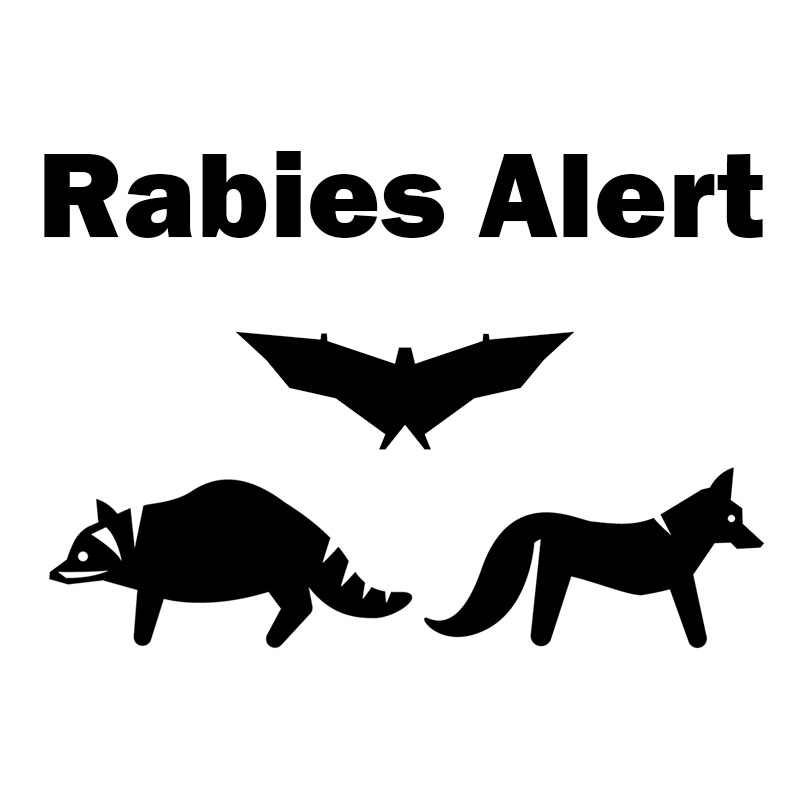
Several species of wild animals in coastal Georgia – including raccoons, foxes, and bats – can carry rabies. Feral cats and dogs can carry rabies as well. Rabies is a potentially deadly virus that is primarily spread by infected animals.

The Glynn County Health Department Environmental Health office has these tips to protect you and your family from rabies:

  • Avoid contact with animals you don’t know.
  • Make sure your pets receive the proper immunizations. Dogs and cats should get rabies vaccines after 12 weeks of age, followed by a booster shot within one year and vaccination every 1-3 years depending on veterinary recommendation and vaccine used.
  • Do not handle, feed, or unintentionally attract wild animals with open garbage cans or by leaving pet food out at night.
  • Never adopt wild animals or bring them into your home. Do not try to nurse sick animals to health. Call animal control or a properly licensed animal rescue agency for assistance.
  • Teach children to never handle unfamiliar animals, wild or domestic, even if they appear friendly. “Love your own, leave other animals alone” is a good principle for children to learn.

Symptoms of rabies in animals include a change in behavior, biting, aggression, showing no fear of natural enemies (such as humans), foaming at the mouth, and paralysis. If an animal ever bites you, seek medical care immediately and contact Glynn County Animal Control at 912-554-7500 and the Glynn County Health Department Environmental Health office at 912-279-2940.

Fox Tests Positive for Rabies in Brunswick

A fox in a residential area near the intersection of Blythe Island Highway and Highway 82 in Brunswick tested positive for rabies today. On June 8, the fox was attacking objects in the yard of a couple who frequently feeds wild animals before it attacked the couple.

The Department of Natural Resources turned the fox over to the Glynn County Health Department’s Environmental Health office for testing. The health department has contacted everyone that had potential exposure to the rabid fox and encouraged them to follow poison control and physician guidance. Residents and visitors are discouraged from feeding or having contact with wild animals, and all pets should be properly vaccinated against rabies.

This incident is a reminder that several species of wild animals in our area can carry rabies, including raccoons, foxes, and bats. Rabies is a potentially deadly virus that is primarily spread by infected animals.

Following these tips can protect you and your family from rabies:

  • Avoid contact with animals you don’t know.
  • Make sure your pets receive the proper immunizations. Dogs and cats should get rabies vaccines after 12 weeks of age, followed by a booster shot within one year and vaccination every 1-3 years depending on veterinary recommendation and vaccine used.
  • Do not handle, feed, or unintentionally attract wild animals with open garbage cans or by leaving pet food out at night.
  • Never adopt wild animals or bring them into your home. Do not try to nurse sick animals to health. Call animal control or a properly licensed animal rescue agency for assistance.
  • Teach children to never handle unfamiliar animals, wild or domestic, even if they appear friendly. “Love your own, leave other animals alone” is a good principle for children to learn.

Symptoms of rabies in animals include a change in behavior, biting, aggression, showing no fear of natural enemies (such as humans), foaming at the mouth, and paralysis. If an animal ever bites you, seek medical care immediately and contact Glynn County Animal Services at 912-544-7500 and the Glynn County Environmental Health office at 912-279-2940.

Bat Tests Positive for Rabies in Downtown Savannah

A bat in the Forsyth Park area of downtown Savannah has tested positive for rabies. The Chatham County Health Department’s Environmental Health office reminds all residents and visitors to avoid contact with wild animals and ensure pets are properly vaccinated against rabies.

The bat was caught by a domestic cat inside a home near Forsyth Park and was brought to a local veterinarian. The veterinarian notified the Health Department, who then tested the bat for rabies. Fortunately, the domestic cat is current on its rabies vaccination. The resident had recently received post-exposure rabies treatment and is not considered at risk. The resident is working with a wildlife removal company to ensure any other bats are removed from the property.

This incident is a reminder that several species of wild animals in our area can carry rabies, including raccoons, foxes, and bats. Rabies is a potentially deadly virus that is primarily spread by infected animals. Following these tips can protect you and your family from rabies:

  • Avoid contact with animals you don’t know.
  • Make sure your pets receive the proper immunizations. Dogs and cats should get rabies vaccines after 12 weeks of age, followed by a booster shot within one year and vaccination every 1-3 years depending on veterinary recommendation and vaccine used.
  • Do not handle, feed, or unintentionally attract wild animals with open garbage cans or by leaving pet food out at night.
  • Never adopt wild animals or bring them into your home. Do not try to nurse sick animals to health. Call animal control or a properly licensed animal rescue agency for assistance.
  • Teach children to never handle unfamiliar animals, wild or domestic, even if they appear friendly. “Love your own, leave other animals alone” is a good principle for children to learn.

Symptoms of rabies in animals include a change in behavior, biting, aggression, showing no fear of natural enemies (such as humans), foaming at the mouth, and paralysis. If an animal ever bites you, seek medical care immediately and contact Chatham County Animal Services at 912-652-6575 and the Chatham County Environmental Health office at 912-356-2160.

Free Mammograms at the Chatham County Health Department May 23, 2023

The Chatham County Health Department will offer FREE mammograms to eligible women on Tuesday, May 23, 2023 at the Midtown clinic at 1602 Drayton Street.

The St. Joseph’s/Candler’s Mobile Mammography Unit will be in the Health Department’s parking lot from 8 a.m. – 3 p.m. Free mammography screening will be available by appointment for women between the ages of 40 and 64 who meet income guidelines and have no health insurance coverage.

The service is by appointment only, so women are urged to schedule the free mammogram by calling the Chatham County Health Department’s Breast and Cervical Cancer Program (BCCP) at 912-356-2946.
BCCP provides access to breast and cervical cancer screening for women who may not otherwise receive such services. The BCCP program partners with the St. Joseph’s/Candler mobile mammography program to offer free mammograms several times a year.

The remaining dates for 2023 are:

  • May 23
  • August 14
  • October 24

Breast cancer is the most common cancer in woman after skin cancer. It is estimated that about one in eight women in the United States will develop breast cancer over the course of her lifetime. Mammograms are the best way to detect breast cancer early. The earlier breast cancer is detected, the easier it is to treat.

For more information on the Breast and Cervical Cancer Program, go to coastalhealthdistrict.org/bccp.

CDC Updates COVID-19 Vaccine Booster Recommendations

The Centers for Disease Control and Prevention (CDC) recently updated its COVID-19 vaccine recommendations to allow for an additional bivalent booster dose for people at highest risk of severe illness. Previously, individuals could only receive one of the updated booster shots.

The additional bivalent booster dose has been authorized for:

  • Adults ages 65 years and older, and
  • People who are immunocompromised.

The bivalent vaccines by Pfizer and Moderna cover two strains of the virus that causes COVID-19, offering better protection against more recent variants of the virus.

These changes do not apply to individuals between the ages of 6 and 64 who have already received a bivalent booster unless they have immune system concerns.

To schedule a COVID-19 vaccine appointment, go to www.chdcovidvax.org or call your county health department. Individuals may also call with questions regarding eligibility for another COVID-19 booster shot.

For more information on COVID-19 vaccine recommendations by the CDC, please visit Vaccines for COVID-19.