The Coastal Health District of Georgia serves the counties of Bryan, Camden, Chatham, Effingham, Glynn, Liberty, Long & McIntosh

Posts by CHD Communications


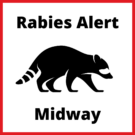
Raccoon Tests Positive for Rabies in Ellabell

A raccoon in Ellabell in north Bryan County has tested positive for rabies. The Bryan County Health Department’s environmental health office reminds all residents to avoid contact with wild animals and ensure pets are properly vaccinated against rabies.

A resident contacted the health department Monday after their family dog killed a raccoon in their backyard over the weekend. The residence is near Interstate 16 and Highway 280 in Ellabell. The raccoon was sent to the public health laboratory where it tested positive for rabies. Fortunately, the dog was up to date on its rabies vaccination, and no humans were exposed to the raccoon.

This incident is a reminder that several species of wild animals in our area can carry rabies, including raccoons, foxes, and bats. Rabies is a potentially deadly virus that is primarily spread by infected animals. The following tips can protect you and your family from rabies:

  • Avoid contact with animals you don’t know.
  • Make sure your pets receive the proper immunizations. Dogs and cats should get rabies vaccines after 12 weeks of age, followed by a booster shot within one year and vaccination every 1-3 years depending on veterinary recommendation and vaccine used.
  • Do not handle, feed, or unintentionally attract wild animals with open garbage cans or by leaving pet food out at night.
  • Never adopt wild animals or bring them into your home. Do not try to nurse sick animals to health. Call animal services or a properly licensed animal rescue agency for assistance.
  • Teach children to never handle unfamiliar animals, wild or domestic, even if they appear friendly. “Love your own, leave other animals alone” is a good principle for children to learn.

Symptoms of rabies in animals include a change in behavior, biting, aggression, showing no fear of natural enemies (such as humans), foaming at the mouth, and paralysis. If an animal ever bites you, seek medical care immediately and contact Bryan County Animal Services at 912-851-3817 and the Bryan County Environmental Health office at 912-756-2636.

National Maternal Health Awareness Day Event in Chatham County

In recognition of National Maternal Health Awareness Day on January 23, the Chatham County Health Department is hosting a free community celebration focused on supporting and uplifting mothers and families. Nurturing the Nest: A Day to Celebrate Maternal Health will take place on Thursday, January 22, from 3:00 p.m. to 6:00 p.m. at the Midtown Clinic, located at 1602 Drayton St. in Savannah.

Participants can enjoy a variety of activities and resources, including raffle prizes and incentives; access to a diaper and wipes locker provided by Over the Moon Diaper Bank; light snacks and refreshments; vendor and informational tables; blood sugar and blood pressure screenings; and on-site community resources focused on women’s health, children’s services, and STD prevention.

The event will feature five 30-minute Community Education Sessions offered throughout the afternoon, covering key topics in maternal and family health. A tentative schedule of sessions includes:

3:30 – 4:00 pm: Breastfeeding Education
4:00 – 4:30 pm: Fathers Matters Education
4:30 – 5:00 pm: Domestic Violence & Maternal Mental Health Discussion
5:00 – 5:30 pm: Chronic Disease Prevention & Nutrition
5:30 – 6:00 pm: Safe Infant Sleep   

For more information about the Chatham County Health Department’s National Maternal Health Awareness Event, please email Katee.Sykes@dph.ga.gov.

DPH Confirms Measles Case in Georgia

The following press release was issued by the Georgia Department of Public Health on January 12, 2026:

The Georgia Department of Public Health (DPH) has confirmed a measles case in a baby too young to receive routine measles vaccination. The baby, who acquired the virus while traveling internationally, lives in the Coastal Health District. DPH is working to identify individuals who may have been exposed to measles through contact with the child.   

Measles is very contagious and spreads through the air when an infected person coughs or sneezes. The measles virus can stay in the air or on surfaces for up to two hours after an infected person has left the room. 

Measles symptoms typically appear 7 to 14 days after exposure, including high fever, cough, runny nose, and watery eyes. Then, a rash of tiny red spots appears. It starts at the head and spreads to the rest of the body. 

The MMR (measles, mumps, rubella) vaccine can prevent measles and rubella. The vaccine is safe and effective, and parents with questions about the vaccine or the vaccination schedule can consult their physician. The Centers for Disease Control and Prevention (CDC) recommends that children receive their first dose of MMR vaccine between 12 and 15 months of age and a second dose between 4 and 6 years of age. For babies aged 6-11 months travelling internationally, the CDC recommends a single dose of the MMR vaccine before travel, followed by two additional doses after their first birthday. 

More than 95% of the people who receive a single dose of MMR will develop immunity to all three viruses. A second dose boosts immunity, typically enhancing protection to 98%. Individuals who are vaccinated with the MMR vaccine also help protect others who are too young or medically unable to be vaccinated.

 People with measles symptoms should contact their healthcare provider immediately. DO NOT go to the doctor’s office, the hospital, or a public health clinic without first calling to let them know about your symptoms. Healthcare providers who suspect measles in a patient should notify public health immediately.

This is the first reported measles case in Georgia in 2026. There were 10 confirmed measles cases in Georgia in 2025.

For more information about measles, log on to https://dph.georgia.gov/epidemiology/acute-disease-epidemiology/vaccine-preventable-diseases/measles or https://www.cdc.gov/measles/index.html.

Free Flu Shot Events for Uninsured Children and Adults

Flu activity is high in Georgia, and if you haven’t already received your flu shot this season, it’s not too late to get vaccinated. Health departments in the Coastal Health District are offering free flu shot events for children and adults without health insurance.

Free flu shot events for individuals without health insurance coverage (while supplies last):

Bryan County

  • January 12-16 at the clinics in Pembroke and Richmond Hill
  • No appointment needed Monday-Wednesday, 8am-11am & 1pm-4pm, Thursday, 8am-11am & 1pm-6pm, and Friday, 8am-1pm.

Camden County

  • January 1-as long as supplies last
  • No appointment needed Monday-Wednesday, 8-10:30am and 1-3:30pm, Thursday from 8-10:30am and 1-5pm, and Friday from 8-10:30am.

Chatham County

  • January 1-as long as supplies last
  • Appointments are required. Call 912-356-2441 to schedule an appointment at the clinic at 1395 Eisenhower Drive, or 912-651-2587 to schedule an appointment at the midtown clinic at 1602 Drayton Street.

Effingham County

  • January 1-31
  • No appointment needed Monday-Wednesday, 8am-11am & 1pm-4pm, Thursday, 8am-11am & 1pm-6pm, and Friday, 8am-1pm.

Glynn County

  • January 1-31
  • No appointment needed Monday-Wednesday, 8am-11am & 1pm-4pm, Thursday, 8am-11am & 1pm-6pm, and Friday, 8am-1pm.

Liberty County

  • January 5-9
  • No appointment needed Monday-Wednesday, 8am-11am & 1pm-4pm, Thursday, 8am-11am & 1pm-6pm, and Friday, 8am-1pm.

Long County

  • January 1-as long as supplies last
  • Appointments are required. Call 912-545-2107 to schedule an appointment.

McIntosh County

  • January 1-as long as supplies last
  • Appointments are preferred but walk-ins are accepted. Call 912-832-5473 to schedule an appointment.

Patients with health insurance may also receive no-cost flu shots, as most insurance plans cover flu vaccine at no charge to the patient. Call the health department nearest you to confirm that your health insurance is accepted.

Everyone 6 months of age and older should get a flu vaccine every season. Vaccination is especially important for individuals at higher risk of complications from flu, such as:

  • Adults age 65 and older
  • Children under age 2
  • People who are pregnant
  • People who are obese
  • People with weakened immune systems
  • People with chronic lung conditions like asthma, COPD, and cystic fibrosis
  • People with neurologic and neurodevelopment conditions
  • People with heart disease
  • People with endocrine, blood, kidney, liver, or metabolic disorders

Flu vaccine reduces your risk of getting an influenza infection. If you do catch the flu, the vaccine can lessen the length and severity of your illness.

You can also protect yourself from the flu by avoiding people who are sick, washing your hands often, and improving air quality by bringing in fresh outside air, purifying indoor air, or gathering outdoors.

Long County Health Department Issues Rabies Alert

The Long County Health Department is alerting residents that a raccoon in the area has tested positive for rabies. The raccoon was killed by a dog in a residential community off Rye Patch Road near Ludowici on November 25th and tested positive for the illness. The dog has received a booster vaccine to protect against rabies infection, and the dog’s owner has been advised to seek follow-up medical care for any potential rabies exposure.

This is an important reminder to avoid contact with wild animals when possible, and for pet owners to keep their animals up to date on rabies vaccinations.

Several species of wild animals in coastal Georgia – including raccoons, foxes, and bats – can carry rabies. Feral cats and dogs can carry rabies as well. Rabies is a potentially deadly virus that is primarily spread by infected animals. The Long County Health Department Environmental Health office has these tips to protect you and your family from rabies:

  • Avoid contact with animals you don’t know.
  • Make sure your pets receive the proper immunizations. Dogs and cats should get rabies vaccines after 12 weeks of age, followed by a booster shot within one year and vaccination every 1-3 years depending on veterinary recommendation and vaccine used.
  • Do not handle, feed, or unintentionally attract wild animals with open garbage cans or by leaving pet food out at night.
  • Never adopt wild animals or bring them into your home. Do not try to nurse sick animals to health. Call animal control or a properly licensed animal rescue agency for assistance.
  • Teach children to never handle unfamiliar animals, wild or domestic, even if they appear friendly. “Love your own, leave other animals alone” is a good principle for children to learn.

Symptoms of rabies in animals include a change in behavior, biting, aggression, showing no fear of natural enemies (such as humans), foaming at the mouth, and paralysis. If an animal ever bites you, seek medical care immediately and contact Long County Animal Control at 912-545-2287 and the Long County Health Department Environmental Health office at 912-545-2107.

Coastal Health District Hosts December Events for World AIDS Day 2025

In honor of World AIDS Day, the Coastal Health District will host three special events throughout December to raise awareness about HIV, promote prevention, and support community health. Events include an AIDS awareness gathering in Savannah and two free HIV testing events: one in Savannah and one in Brunswick.

Observed annually on December 1, World AIDS Day serves as a global reminder of the ongoing impact of HIV. The day is dedicated to increasing public understanding of HIV, combating stigma and discrimination, improving the lives of people living with HIV, and remembering those who have died from AIDS-related illnesses.

The 2025 theme, “Overcoming Disruption, Transforming the AIDS Response,” highlights the importance of ensuring access to HIV testing, treatment, and prevention services, especially during times of social challenges or healthcare disruption. It also calls for continued efforts to eliminate misconceptions and to make sure everyone has equal access to care and support.

The Coastal Health District recognizes the vital role of community engagement and an unwavering commitment to end this epidemic. To support this mission, World AIDS Day events will be held on three dates at three locations:

  • World AIDS Day Awareness Event – Monday, December 1 from 12:30 p.m. to 2:00 p.m. at the Susan Alt CARE Center located at 107-B Fahm St. in Savannah
  • FREE HIV Testing and PrEP – Thursday, December 11 from 1:00 p.m. to 6:00 p.m. at the Chatham County Health Department located at 1395 Eisenhower Dr. in Savannah
  • FREE HIV Testing and PrEP – Thursday, December 18 from 10:00 a.m. to 4:00 p.m. at the Glynn County Health Department located at 2747 4th St. in Brunswick

All testing is free and confidential, and individuals must be at least 16 years of age to be tested. Results are available in about a minute.

The Coastal Health District’s HIV Program provides medical treatment and case management for those living with HIV/AIDS. All county health departments offer free, walk-in HIV testing, and clinics that provide HIV treatment are located in Savannah, Brunswick and Hinesville.

Please visit coastalhealthdistrict.org/hiv for additional information on the Coastal Health District’s HIV Services.

Bobcat on Jekyll Island Tests Positive for Rabies

The Glynn County Health Department is alerting residents and visitors that a bobcat on Jekyll Island has tested positive for rabies. The bobcat attacked an individual near the intersection of Shell Road and Beachview Drive on November 23rd. The Glynn County Health Department was notified and transported the bobcat for testing at the public health laboratory in Waycross where the animal tested positive for the disease. The individual who was attacked has been advised to seek follow-up medical care for rabies exposure.

This is an important reminder for residents and visitors to avoid contact with wild animals when possible, and for pet owners to keep their animals up to date on rabies vaccinations.

Several species of wild animals in coastal Georgia – including raccoons, foxes, and bats – can carry rabies. Feral cats and dogs can carry rabies as well. Rabies is a potentially deadly virus that is primarily spread by infected animals. The Glynn County Health Department Environmental Health office has these tips to protect you and your family from rabies:

  • Avoid contact with animals you don’t know.
  • Make sure your pets receive the proper immunizations. Dogs and cats should get rabies vaccines after 12 weeks of age, followed by a booster shot within one year and vaccination every 1-3 years depending on veterinary recommendation and vaccine used.
  • Do not handle, feed, or unintentionally attract wild animals with open garbage cans or by leaving pet food out at night.
  • Never adopt wild animals or bring them into your home. Do not try to nurse sick animals to health. Call animal control or a properly licensed animal rescue agency for assistance.
  • Teach children to never handle unfamiliar animals, wild or domestic, even if they appear friendly. “Love your own, leave other animals alone” is a good principle for children to learn.

Symptoms of rabies in animals include a change in behavior, biting, aggression, showing no fear of natural enemies (such as humans), foaming at the mouth, and paralysis. If an animal ever bites you, seek medical care immediately and contact Glynn County Animal Control at 912-554-7500 and the Glynn County Health Department Environmental Health office at 912-279-2940.

Raccoon Tests Positive for Rabies in Pooler

A raccoon in Pooler in west Chatham County has tested positive for rabies. The Chatham County Health Department’s environmental health office reminds all residents to avoid contact with wild animals and ensure pets are properly vaccinated against rabies.

On October 21st, a resident contacted Chatham County Animal Services after a raccoon attacked their family dog in a residential area near the I-16 and I-95 interchange. Animal services picked up the raccoon, which tested positive for rabies. Fortunately, the dog was up to date on its rabies vaccination and has received a booster vaccine, and no humans were exposed to the raccoon.

This incident is a reminder that several species of wild animals in our area can carry rabies, including raccoons, foxes, and bats. Rabies is a potentially deadly virus that is primarily spread by infected animals. The following tips can protect you and your family from rabies:

  • Avoid contact with animals you don’t know.
  • Make sure your pets receive the proper immunizations. Dogs and cats should get rabies vaccines after 12 weeks of age, followed by a booster shot within one year and vaccination every 1-3 years depending on veterinary recommendation and vaccine used.
  • Do not handle, feed, or unintentionally attract wild animals with open garbage cans or by leaving pet food out at night.
  • Never adopt wild animals or bring them into your home. Do not try to nurse sick animals to health. Call animal services or a properly licensed animal rescue agency for assistance.
  • Teach children to never handle unfamiliar animals, wild or domestic, even if they appear friendly. “Love your own, leave other animals alone” is a good principle for children to learn.

Symptoms of rabies in animals include a change in behavior, biting, aggression, showing no fear of natural enemies (such as humans), foaming at the mouth, and paralysis. If an animal ever bites you, seek medical care immediately and contact Chatham County Animal Services at 912-652-6575 and the Chatham County Environmental Health office at 912-356-2160.

McIntosh County Health Department and Family Connection Host Community Resource Event for Women and Children

The McIntosh County Health Department and McIntosh County Family Connection, in conjunction with a host of community partners, will hold Fall into Wellness – A Community Health Event for Women & Children – from 10 a.m. to 1 p.m. on Saturday, November 15th, at the Multipurpose/Senior Center on Highway 57 in Eulonia.

The event is open to the public and will include free giveaways (diapers, wipes, onesies, and child dental health kits while supplies last), raffle prizes (portable baby play yards and gift cards), blood pressure and blood glucose screenings, registration for the GoMo Health platform, and information on resources available through a variety of local agencies.

“This is a great opportunity to connect women and children to resources in our community that will help them find the support they need to stay healthy,” said McIntosh County Health Department Nurse Manager, Brooke Deverger.

McIntosh County Family Connection Coordinator Tracy Sandford said the collaborative approach will help break down barriers to care, enhance health outcomes, and advance health equity for women and children in McIntosh County.

“We want to engage women and help strengthen their circle of care so all our families in McIntosh County will thrive,” she said. “Our goal is to create a healthier community overall.”

In addition to the health department and McIntosh County Family Connection, organizations slated to be at the event include Gateway Community Services Board, Ferst Readers of McIntosh County, Coastal Georgia Community Action Authority, the Glynn Community Crisis Center/Amity House, MAST (McIntosh Advocating for a Substance-free Tomorrow, McIntosh County School System, Ida Hilton Public Library, Coastal Pines Technical College, Coastal Coalition for Children, Amerigroup, and more.

Los departamentos de salud comienzan a ofrecer la vacuna contra la COVID-19 actualizada

Los departamentos de salud pública del Distrito Costero de Salud ofrecen la vacuna contra la COVID-19 actualizada para la temporada de virus respiratorios 2025-26. Los suministros son limitados en algunos lugares debido a la continua llegada de vacunas, así que llame a su departamento de salud local para confirmar la disponibilidad y programar una cita.

Los departamentos de salud de los condados de Bryan, Camden, Chatham, Effingham, Glynn, Liberty, Long y McIntosh ofrecerán la vacuna contra la COVID-19 de Pfizer, aprobada para su uso en personas de 5 años o más.

La vacunación es especialmente beneficiosa para los adultos mayores de 65 años y para las personas de cualquier edad con afecciones que aumentan el riesgo de enfermarse gravemente por la infección por COVID-19. Los factores de riesgo incluyen cáncer, enfermedades pulmonares, diabetes, afecciones cardíacas, sobrepeso y obesidad, embarazo, entre otros.

No se necesita receta médica para recibir la vacuna contra la COVID-19. Según las últimas directrices de los CDC, las personas pueden tomar sus propias decisiones informadas después de recibir información sobre la vacuna contra la COVID-19.

El costo de la vacuna contra la COVID está cubierto por la mayoría de los planes de seguro médico y existen opciones de vacunación de bajo costo disponibles para personas sin cobertura de seguro médico.


Preguntas frecuentes sobre la vacuna contra la COVID-19

¿Quién puede recibir la nueva vacuna contra la COVID-19 en el departamento de salud?

  • El departamento de salud ofrece la vacuna Pfizer 2025-26, aprobada para personas de 5 años o más.

¿Qué pasa con los niños menores de 5 años? ¿Pueden vacunarse?

  • La vacuna contra la COVID-19 de Moderna ha sido aprobada para niños de 6 meses a 4 años, pero no está disponible en los departamentos de salud del Distrito de Salud Costero. Consulte con el consultorio de su pediatra o farmacia local para ver si tienen la vacuna Moderna para niños pequeños.

Pensé que solo las personas mayores o de alto riesgo podían vacunarse.

  • Las últimas directrices de los CDC enfatizan que los beneficios de la vacunación son mayores para las personas con mayor riesgo de enfermedad grave por COVID-19. Sin embargo, cada persona puede tomar sus propias decisiones informadas después de recibir información sobre la vacuna contra la COVID-19.

¿Quién se considera de alto riesgo de complicaciones relacionadas con la COVID-19?

  • Las personas mayores de 65 años tienen el mayor riesgo de enfermarse gravemente por COVID, y más del 81% de las muertes por complicaciones de la COVID se producen en personas mayores de 65 años.
  • Ciertas afecciones de salud aumentan el riesgo de enfermarse gravemente por COVID a cualquier edad, como cáncer, enfermedades pulmonares, diabetes, afecciones cardíacas, sobrepeso y obesidad, embarazo, entre otras.

¿Necesito receta médica para vacunarme contra la COVID?

  • No se necesita receta médica para vacunarse contra la COVID. Según las últimas directrices de los CDC, las personas pueden tomar sus propias decisiones informadas después de recibir información sobre la vacuna.

¿Cuánto costará la vacuna contra la COVID en el departamento de salud?

  • La mayoría de los planes de seguro médico cubren el costo de la vacuna contra la COVID, incluidos los planes a través de Medicaid y Medicare. El departamento de salud también ofrece opciones de vacunación de bajo costo para personas sin seguro médico.

Mi departamento de salud no tiene la vacuna contra la COVID que necesito. ¿Qué puedo hacer?

  • La mayoría de las comunidades ofrecen varias opciones para la vacunación contra la COVID-19 en consultorios médicos y farmacias, especialmente para personas con seguro médico.
  • Cada departamento de salud de nuestro condado recibe mensualmente un suministro muy limitado de vacunas que podemos administrar a pacientes sin seguro. Si el departamento de salud de su condado no dispone de dosis económicas para personas sin seguro, le recomendamos contactar con algunos condados vecinos para ver si tienen la vacuna económica en existencia.