Air Quality Monitoring Resources and Health Information
READ MORE »

×

The Coastal Health District of Georgia serves the counties of Bryan, Camden, Chatham, Effingham, Glynn, Liberty, Long & McIntosh

Camden News


Sale of Electronic Cigarettes Illegal to Minors in Georgia

July 2, 2014 – As of July 1, 2014, it is against the law in Georgia to sell or distribute any electronic cigarette to a person who is under the age of 18 years old. The Georgia Department of Public Health (DPH) is urging caution about the use and exposure of children to electronic nicotine delivery systems, including electronic cigarettes and other emissions producing products.
DPH is asking adults to warn children and young adults of the dangers of electronic nicotine delivery systems, sometimes referred to as “e-cigarettes,” “vape pens,” and “e-hookahs,” and to keep these products out of the reach of young children. Emissions from electronic nicotine delivery products may include formaldehyde, propylene glycol, acetaldehyde, acrolein, lead, and tobacco-specific nitrosamines in addition to nicotine.
“These chemicals are toxic, and are particularly dangerous for children,” said Jean O’Connor, JD, DrPH, director of Health Promotion and Disease Prevention for DPH. “Parents should not allow children to handle electronic cigarettes or similar devices. They contain liquid chemicals which, if swallowed, could cause serious health complications.”
During the past five years in Georgia (April 2009 – April 2014), there were a total of 1,169 calls made to the Georgia Poison Center (GPC) for exposures or poisonings from products containing tobacco or nicotine. Between January 1, 2014 and June 14, 2014, the number of calls made to GPC about nicotine poisonings, specifically from e-cigarettes, was 46. In 2011, there were a total of five calls for the entire year.
Parents, teachers, counselors, and other youth leaders should be aware electronic cigarettes and similar electronic nicotine delivery devices are available in a variety of colors and flavors that are attractive to children and young adults, such as bubble gum, strawberry and chocolate. The products are made to look like pens and other small objects that can be hidden in backpacks and clothes. The emissions, although potentially toxic, may smell like the flavoring.
There is no evidence that using current electronic nicotine delivery systems or being exposed to these products is safe, and the research suggests that these products may introduce children to lifelong nicotine and tobacco addiction. Tobacco use is known to cause cancer, heart disease, diabetes, and stroke. Nicotine is a highly addictive chemical that causes hardening of the arteries, which is associated with heart attack and stroke. Pregnant women should avoid using or being exposed to electronic nicotine. It can impact fetal development, affecting the brain, nerves and circulatory systems.
Electronic cigarettes and similar electronic nicotine delivery devices have not been approved by the U.S. Food and Drug Administration as tobacco cessation devices. The only current safe and effective tools to quit nicotine and tobacco products are approved nicotine replacement therapy products, which contain controlled doses of nicotine. The manufacturing of electronic nicotine delivery systems is currently not regulated by any state or federal agency. Consequently, consumers are cautioned they may be exposed to varying levels of chemicals and contaminants in these products.
Most people who use tobacco or nicotine and want to quit are unable to end their nicotine addiction without help. Anyone, including teenagers, who need help quitting tobacco or nicotine, can contact the Georgia Tobacco Quitline:
English:
1-877-270-STOP (877-270-7867)
Spanish:
1-877-2NO-FUME (877-266-3863)
Hearing Impaired:
1-877-777-6534
The Quitline is available 24 hours a day, 7 days a week. It is never too late to quit.
For more information visit: https://dph.georgia.gov

Coastal Health District Offers Tips on Summertime Safety

June 23, 2014 – Spending time outdoors is just one of the great things about summer. Coastal Health District officials want coastal Georgia residents to make the most of that time and prevent illness and injury that some summer-related activities can bring.
Heat-related illness
Heat and humidity are a normal part of a Georgia summer but they can also pose a threat to those spending a lot of time outside. To minimize the risk of heat-related illness:
• Don’t wait until you’re thirsty to drink fluids. Drink more fluids regardless of your activity level.
• Don’t drink liquids that contain caffeine, alcohol, or large amounts of sugar-these actually cause you to lose more body fluid. Also, avoid very cold drinks, because they can cause stomach cramps.
• Stay indoors and, if at all possible, stay in an air-conditioned place. If your home does not have air conditioning, go to the shopping mall or public library-even a few hours spent in air conditioning can help your body stay cooler when you go back into the heat. Call your local health department to see if there are any heat-relief shelters in your area.
• Electric fans may provide comfort, but when the temperature is in the high 90s, fans will not prevent heat-related illness. Taking a cool shower or bath, or moving to an air-conditioned place is a much better way to cool off.
• Wear lightweight, light-colored, loose-fitting clothing.
NEVER leave anyone in a closed, parked vehicle.
It’s also important to remember that infants, children, and those 65 and older are at increased risk for heat-related illness. Limiting outdoor activity to morning and evening hours, wearing sunscreen of SPF 15 or higher, and exercising indoors, are other ways for people of all ages to avoid getting heat-related illness.
Mosquitoes
Mosquitoes can be a bother but they can also carry disease such as West Nile Virus (WNV) and chikungunya. WNV can cause mild to serious illness. Approximately 80 percent of people (about 4 out of 5) who are infected with WNV will not show any symptoms at all but some develop more severe illness that may include high fever, headache, neck stiffness, and muscle weakness. The first laboratory-confirmed case of chikungunya in Georgia was reported last week. Chikungunya symptoms usually begin 3-7 days after being bitten by an infected mosquito and the most common symptoms are fever and joint pain. Symptoms can sometimes be severe but most feel better within a week. The mosquitoes that spread the chikungunya virus bite mostly during the daytime. So far, all of the chikungunya patients in the United States have travel histories in areas where chikungunya is circulating.
The best way to prevent mosquito-related diseases is to avoid mosquito bites. Mosquitoes breed in standing water which is why it is important to:
• Remove water-holding containers (buckets, barrels, flower pots, tarps, etc. Drill holes in tire swings so water drains out. Keep children’s wading pools empty and on their sides when they’re not being used).
• Change water frequently in pet dishes
• Change bird bath water at least twice a week
• Avoid using saucers under outdoor potted plants
In addition, following these tips can help lessen the risk of getting bitten by mosquitoes:
• DRAIN all standing water
• Avoid DAWN and DUSK when mosquitoes are most active
• DRESS appropriately in long sleeves and pants.
• DEFEND or DEET yourself against mosquitoes with an effective repellent. Repellents containing DEET, picaridin, IR3535, and oil of lemon eucalyptus and para-menthane-diol products provide long lasting protection.
• DOORS and windows should be in good condition
Septic Systems
Afternoon thunderstorms and rain showers are common during the summer months. Heavy rainfall can cause a septic system to not function properly due to saturation of the soil in and around septic drain fields. It is always important for residents using septic systems to conserve water usage and ensure that surface waters from rain are diverted away from septic drain fields. Some helpful tips include.
• Repair dripping faucets and leaking toilets.
• Run dishwashers only when full.
• Do not do all your laundry in one day. Space out the washing machine use over the week.
• Replace old fixtures with water saving fixtures.
• Do not direct water from gutter downspouts, sump pumps or subsurface drains into the septic tank.
• Always divert water away from septic drain fields.

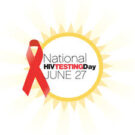
Free HIV Testing Event Scheduled for June 27

June 6, 2014 – The Coastal Health District HIV program will hold a free HIV testing event from 10 a.m. to 4 p.m. on Friday, June 27 at Oglethorpe Mall (outside of Belk) in Savannah. Educational information, music and other entertainment will also be on hand. All testing will be done without needles and results will come back quickly and remain confidential.
The event is being held in support of National HIV Testing Day (NHTD) which takes place annually on June 27. Every year on NHTD, HIV testing events are held all over the country to encourage people to “Take the Test, Take Control.” Close to 1.1 million people are living with HIV and almost one in five don’t know they are infected. National HIV Testing Day is an opportunity for people to learn their HIV status and to gain knowledge that will help them take control of their lives and health.
The event is being sponsored by the Coastal Health District, M.A.C. Cosmetics, and WEAS 93.1.
Click on image for full screen view.
National HIV Testing Day 2014 Flyer REV.jpg

Celebrate National Public Health Week, April 7 – 13

April 1, 2014 – What is public health? It’s helping people quit tobacco. It’s inspecting restaurants for potential causes of foodborne illness. It’s the prevention and treatment of HIV. It’s watching for signs of disease outbreaks. It’s making sure that residents who are most vulnerable are evacuated before a hurricane. It’s educating mothers-to-be on the importance of breastfeeding. It’s protecting children against diseases that can be prevented. It’s all of that and much more. Public health touches every life at one time or another. National Public Health Week (NPHW), April 7 – 13, is a time to spread the news about the value of public health.
“Public health continues to grow and evolve but preventing disease and promoting healthy communities will always be our goal,” said Diane Z. Weems, M.D., Health Director for the Coastal Health District.
NPHW 2014 will have daily themes:
Monday, April 7: Be Healthy from the Start
Public health starts at home. From family nutrition and maternal health to safety precautions and disaster preparedness, the first step the community takes toward public health are in the comfort of their own home.
Tuesday, April 8: Don’t Panic
Public health professionals help communities withstand the impact of a natural or manmade disaster by planning ahead, acting as a source of information during the crisis and helping to mitigate the long- and short-term effects.
Wednesday, April 9: Get Out Ahead
Prevention is now a nationwide priority, and as the public health system evolves, there are more options than ever when it comes to preventive health measures.
Thursday, April 10: Eat Well
The system that keeps our nation’s food safe and healthy is complex. Public health professionals can help guide people through their choices.
Friday, April 11: Be the Healthiest Nation in One Generation
For the first time in decades, the current generation isn’t as healthy as the one that came before. Communities need to band together to take a stance against this disturbing trend to make sure that children and young adults have bright, healthy futures.
For more information on the services offered at health departments in Bryan, Camden, Chatham, Effingham, Glynn, Liberty, Long, and McIntosh counties, go to www.coastalhealthdistrict.org.

Changes to Take Place in Health-Related School Attendance Requirements for the 2014-2015 School Year

March 3, 2014 – The 2014-2015 school year will bring changes for some children attending Georgia schools. Health department officials in Bryan, Camden, Chatham, Effingham, Glynn, Liberty, Long, and McIntosh counties want to make communities aware of those changes now, before the end of the current school year.
Vision, Hearing, Dental, and Nutrition Screening (form 3300)
It has been a requirement for parents to present a completed Vision, Hearing, and Dental screening form (form 3300) to school authorities for children entering a Georgia school for the first time. That is still a requirement; however, the form has been revised to include “nutrition” as a category. The nutrition category measures height, weight, and Body Mass Index (BMI). The new Certificate of Vision, Hearing, Dental and Nutrition Screening Form can be found by going to www.coastalhealthdistrict.org and clicking on the Immunizations and Vaccinations link under the Quick Links menu on the home page.
* (Children currently enrolled in the school Pre-K program should not be required to complete an additional form 3300 for admittance into the Kindergarten program).
New Immunization Requirements for Children Attending Seventh Grade
Beginning in the 2014-2015 school year, seventh graders will be required to have the tetanus, diphtheria, and pertussis (Tdap) and meningococcal (meningitis) vaccines prior to entering school. Effective July 1, 2014, children born on or after January 1, 2002 who are attending seventh grade and new entrants into Georgia schools in grades 8 through 12 must have received one dose of Tdap vaccine and one dose of meningococcal vaccine. (“New entrant” means any child entering any school in Georgia for the first time or entering after having been absent from a Georgia school for more than 12 months or one school year).
“These are positive changes,” said Diane Weems, M.D., Health Director for the Coastal Health District. “Measuring a child’s BMI at an early age will help identify possible nutritional issues and vaccinating middle-school students against preventable diseases will help keep them and our communities healthier.”
For more information on tetanus, diphtheria, pertussis, meningitis or the associated vaccines, go to www.cdc.gov.

Babies Can’t Wait Public Comment Period

March 3, 2014 – Babies Can’t Wait (BCW), Georgia’s statewide early intervention system for infants and toddlers with special needs, ages birth to three, and their families, invites interested persons to participate in a 60-day public comment period for the Federal Fiscal Year (FFY) 2014 Annual State Application under Part C of the Individuals with Disabilities Education Act (IDEA) and Fiscal Policies.
For more information on how to submit input, click here:
3 2.19.14 REVISED Public Comment News Release Grant FFY 2 [DOC]

WIC Appointment Call Center Up and Running

February 25, 2014 – The toll-free appointment call center (1-855-262-7670) for the Coastal Health District’s Women, Infants, and Children’s (WIC) supplemental nutrition program is now functioning properly. The call center, used for women who have questions about WIC services or need to schedule or reschedule WIC appointments, was previously out of service for a couple of weeks. The local call center number for Glynn and McIntosh counties (912-289-1810) is also working correctly.
The WIC program serves infants and children ages 1 to 5, pregnant women, breastfeeding mothers (up to one year), and postpartum women (up to six months).

Flu-Related Death Confirmed in Glynn County

February 21, 2014 – The Georgia Department of Public Health (DPH) has confirmed the flu-related death of an adult male in Glynn County. This is the third confirmed flu-related death in the Coastal Health District. In addition to the death in Glynn County, there have been two confirmed flu-related deaths in Chatham County. There have been a total of 50 confirmed flu-related deaths in Georgia.
The Centers for Disease Control and Prevention (CDC) recommends everyone six months and older get vaccinated against the flu. There are also several simple, everyday precautions people can take to avoid getting and spreading the flu including:
• Cover your cough (try to cough into the crook of your elbow, not your hand).
• Wash your hands frequently with soap and water. If soap and water is not available use an alcohol-based hand sanitizer.
• Clean common surfaces like countertops and desks.
• Avoid touching your eyes, nose or mouth because germs spread this way.
• Stay home and away from others when you’re sick.
Flu symptoms include Flu symptoms include fever, cough, sore throat, runny or stuffy nose, body aches, headache, chills, and fatigue.

WIC Appointment Call Center Not Operational but Health Departments Can Schedule Appointments

February 13, 2014 – The toll-free appointment call center (1-855-262-7670) for the Coastal Health District’s Women, Infants, and Children’s supplemental nutrition program is currently not working. The local call center number for Glynn and McIntosh counties (912-289-1810) is also out of order at this time. The call center is used for women who have questions about WIC services or need to schedule or reschedule WIC appointments. WIC appointments can still be made by calling individual health departments at the following numbers:
Bryan County
Pembroke: 912-653-4331 Richmond Hill: 912-756-2611
Camden County
St. Marys: 912-882-8515 Woodbine: 912-576-3040
Chatham County
Eisenhower location: 912-356-2344 Drayton St. location: 912-651-2015 DFCS: 912-651-2190
Effingham County
912-754-6484
Glynn County
912-264-3961
Liberty County and Fort Stewart WIC clinic
912-876-2173
Long County
912-545-2107
McIntosh County
912-832-5473
Coastal Health District staff is working to resolve the call center issues and apologizes for any inconvenience this may cause. The WIC program serves infants and children ages 1 to 5, pregnant women, breastfeeding mothers (up to one year), and postpartum women (up to six months).

Babies Can’t Wait Early Intervention Public Hearing Announcement

February 6, 2014 – The Babies Can’t Wait program invites interested persons to participate in a 60-day public comment period for the Federal Fiscal Year (FFY) 2013 Annual State Application under Part C of the Individuals with Disabilities Education Act (IDEA), and Child Find, Personnel Management, and Procedural Safeguards Policies, from February 18, 2013 to April 18, 2013. For more information, please click HERE [PDF].