Air Quality Monitoring Resources and Health Information
READ MORE »

×

The Coastal Health District of Georgia serves the counties of Bryan, Camden, Chatham, Effingham, Glynn, Liberty, Long & McIntosh

Glynn News


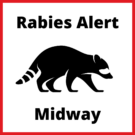
Glynn County Health Department Officials Encourage Rabies Precautions Following Fox Bite

May 7, 2014 – A Glynn County resident was bitten by a fox that later tested positive for rabies and as a result, Glynn County Health Department environmental health officials are encouraging residents to be aware of unusual behavior in wildlife. The incident took place in the area of Osprey Place. Another potentially rabid fox was spotted in the same area so health officials are asking residents that live in and around that region (specifically the area East of the airport runway property; South of Harry Driggers; North of Joyce Drive and Windward Acres; and East to the marsh) to pay particular attention to wild animals acting strangely.
Symptoms of rabies in animals include a change in behavior, biting, aggression, showing no fear of natural enemies (such as humans), foaming at the mouth, and paralysis. Rabies is a potentially deadly virus that is primarily spread by infected animals. Residents should always avoid contact with wild or stray animals, watch for unusual behavior in pets and wildlife, and get pets vaccinated against rabies. Leaving food outdoors for family pets or undomesticated animals can attract potentially rabid wildlife.
The Glynn County Health Department offers these tips to protect you and your family from rabies:
• Avoid contact with animals you don’t know.
• Make sure your pets receive the proper immunizations. Dogs and cats should get rabies vaccines by four months of age, followed by a booster shot one year later, and another one every one or three years depending on the type of vaccine used.
• Do not handle, feed, or unintentionally attract wild animals with open garbage cans or by leaving pet food out at night.
• Never adopt wild animals or bring them into your home. Do not try to nurse sick animals to health. Call animal control or a properly licensed animal rescue agency for assistance.
• Teach children to never handle unfamiliar animals, wild or domestic, even if they appear friendly. “Love your own, leave other animals alone” is a good principle for children to learn.
If an animal ever bites you, seek medical care immediately and contact Glynn County Animal Control at 912-554-7500 and the Glynn County Health Department Environmental Health Division at 912-279-2940.

Celebrate National Public Health Week, April 7 – 13

April 1, 2014 – What is public health? It’s helping people quit tobacco. It’s inspecting restaurants for potential causes of foodborne illness. It’s the prevention and treatment of HIV. It’s watching for signs of disease outbreaks. It’s making sure that residents who are most vulnerable are evacuated before a hurricane. It’s educating mothers-to-be on the importance of breastfeeding. It’s protecting children against diseases that can be prevented. It’s all of that and much more. Public health touches every life at one time or another. National Public Health Week (NPHW), April 7 – 13, is a time to spread the news about the value of public health.
“Public health continues to grow and evolve but preventing disease and promoting healthy communities will always be our goal,” said Diane Z. Weems, M.D., Health Director for the Coastal Health District.
NPHW 2014 will have daily themes:
Monday, April 7: Be Healthy from the Start
Public health starts at home. From family nutrition and maternal health to safety precautions and disaster preparedness, the first step the community takes toward public health are in the comfort of their own home.
Tuesday, April 8: Don’t Panic
Public health professionals help communities withstand the impact of a natural or manmade disaster by planning ahead, acting as a source of information during the crisis and helping to mitigate the long- and short-term effects.
Wednesday, April 9: Get Out Ahead
Prevention is now a nationwide priority, and as the public health system evolves, there are more options than ever when it comes to preventive health measures.
Thursday, April 10: Eat Well
The system that keeps our nation’s food safe and healthy is complex. Public health professionals can help guide people through their choices.
Friday, April 11: Be the Healthiest Nation in One Generation
For the first time in decades, the current generation isn’t as healthy as the one that came before. Communities need to band together to take a stance against this disturbing trend to make sure that children and young adults have bright, healthy futures.
For more information on the services offered at health departments in Bryan, Camden, Chatham, Effingham, Glynn, Liberty, Long, and McIntosh counties, go to www.coastalhealthdistrict.org.

Changes to Take Place in Health-Related School Attendance Requirements for the 2014-2015 School Year

March 3, 2014 – The 2014-2015 school year will bring changes for some children attending Georgia schools. Health department officials in Bryan, Camden, Chatham, Effingham, Glynn, Liberty, Long, and McIntosh counties want to make communities aware of those changes now, before the end of the current school year.
Vision, Hearing, Dental, and Nutrition Screening (form 3300)
It has been a requirement for parents to present a completed Vision, Hearing, and Dental screening form (form 3300) to school authorities for children entering a Georgia school for the first time. That is still a requirement; however, the form has been revised to include “nutrition” as a category. The nutrition category measures height, weight, and Body Mass Index (BMI). The new Certificate of Vision, Hearing, Dental and Nutrition Screening Form can be found by going to www.coastalhealthdistrict.org and clicking on the Immunizations and Vaccinations link under the Quick Links menu on the home page.
* (Children currently enrolled in the school Pre-K program should not be required to complete an additional form 3300 for admittance into the Kindergarten program).
New Immunization Requirements for Children Attending Seventh Grade
Beginning in the 2014-2015 school year, seventh graders will be required to have the tetanus, diphtheria, and pertussis (Tdap) and meningococcal (meningitis) vaccines prior to entering school. Effective July 1, 2014, children born on or after January 1, 2002 who are attending seventh grade and new entrants into Georgia schools in grades 8 through 12 must have received one dose of Tdap vaccine and one dose of meningococcal vaccine. (“New entrant” means any child entering any school in Georgia for the first time or entering after having been absent from a Georgia school for more than 12 months or one school year).
“These are positive changes,” said Diane Weems, M.D., Health Director for the Coastal Health District. “Measuring a child’s BMI at an early age will help identify possible nutritional issues and vaccinating middle-school students against preventable diseases will help keep them and our communities healthier.”
For more information on tetanus, diphtheria, pertussis, meningitis or the associated vaccines, go to www.cdc.gov.

Babies Can’t Wait Public Comment Period

March 3, 2014 – Babies Can’t Wait (BCW), Georgia’s statewide early intervention system for infants and toddlers with special needs, ages birth to three, and their families, invites interested persons to participate in a 60-day public comment period for the Federal Fiscal Year (FFY) 2014 Annual State Application under Part C of the Individuals with Disabilities Education Act (IDEA) and Fiscal Policies.
For more information on how to submit input, click here:
3 2.19.14 REVISED Public Comment News Release Grant FFY 2 [DOC]

WIC Appointment Call Center Up and Running

February 25, 2014 – The toll-free appointment call center (1-855-262-7670) for the Coastal Health District’s Women, Infants, and Children’s (WIC) supplemental nutrition program is now functioning properly. The call center, used for women who have questions about WIC services or need to schedule or reschedule WIC appointments, was previously out of service for a couple of weeks. The local call center number for Glynn and McIntosh counties (912-289-1810) is also working correctly.
The WIC program serves infants and children ages 1 to 5, pregnant women, breastfeeding mothers (up to one year), and postpartum women (up to six months).

Flu-Related Death Confirmed in Glynn County

February 21, 2014 – The Georgia Department of Public Health (DPH) has confirmed the flu-related death of an adult male in Glynn County. This is the third confirmed flu-related death in the Coastal Health District. In addition to the death in Glynn County, there have been two confirmed flu-related deaths in Chatham County. There have been a total of 50 confirmed flu-related deaths in Georgia.
The Centers for Disease Control and Prevention (CDC) recommends everyone six months and older get vaccinated against the flu. There are also several simple, everyday precautions people can take to avoid getting and spreading the flu including:
• Cover your cough (try to cough into the crook of your elbow, not your hand).
• Wash your hands frequently with soap and water. If soap and water is not available use an alcohol-based hand sanitizer.
• Clean common surfaces like countertops and desks.
• Avoid touching your eyes, nose or mouth because germs spread this way.
• Stay home and away from others when you’re sick.
Flu symptoms include Flu symptoms include fever, cough, sore throat, runny or stuffy nose, body aches, headache, chills, and fatigue.

WIC Appointment Call Center Not Operational but Health Departments Can Schedule Appointments

February 13, 2014 – The toll-free appointment call center (1-855-262-7670) for the Coastal Health District’s Women, Infants, and Children’s supplemental nutrition program is currently not working. The local call center number for Glynn and McIntosh counties (912-289-1810) is also out of order at this time. The call center is used for women who have questions about WIC services or need to schedule or reschedule WIC appointments. WIC appointments can still be made by calling individual health departments at the following numbers:
Bryan County
Pembroke: 912-653-4331 Richmond Hill: 912-756-2611
Camden County
St. Marys: 912-882-8515 Woodbine: 912-576-3040
Chatham County
Eisenhower location: 912-356-2344 Drayton St. location: 912-651-2015 DFCS: 912-651-2190
Effingham County
912-754-6484
Glynn County
912-264-3961
Liberty County and Fort Stewart WIC clinic
912-876-2173
Long County
912-545-2107
McIntosh County
912-832-5473
Coastal Health District staff is working to resolve the call center issues and apologizes for any inconvenience this may cause. The WIC program serves infants and children ages 1 to 5, pregnant women, breastfeeding mothers (up to one year), and postpartum women (up to six months).

Health Department Officials Encourage Precautions after Fox Spotted Acting Strangely

February 10, 2014 – Glynn County Health Department officials are encouraging residents to be aware of unusual behavior in wildlife after a Glynn County resident spotted a fox acting strangely in the Scranton Connector area of Brunswick. The fox has not been located so it is not known whether or not the animal is rabid; however, unusual behavior is one of the symptoms of rabies.
“This is a good time to remind people to stay away from wild animals because they could be harmful,” said Glynn County Environmental Health Manager, Bill Jenkins. “It is especially important that parents and caregivers explain this to children.”
Rabies is a potentially deadly virus that is primarily spread by infected animals. Many animals commonly found in southeast Georgia, including foxes and raccoons, may carry the rabies virus. Residents should avoid contact with wild or stray animals, watch for unusual behavior in pets and wildlife, and get pets vaccinated against rabies. Symptoms of rabies in animals include a change in behavior, biting, aggression, showing no fear of natural enemies (such as humans), foaming at the mouth, and paralysis.
The Glynn County Health Department offers these tips to protect you and your family from rabies:
• Avoid contact with animals you don’t know.
• Make sure your pets receive the proper immunizations. Dogs and cats should get rabies vaccines by four months of age, followed by a booster shot one year later, and another one every one or three years depending on the type of vaccine used.
• Do not handle, feed, or unintentionally attract wild animals with open garbage cans or by leaving pet food out at night.
• Never adopt wild animals or bring them into your home. Do not try to nurse sick animals to health. Call animal control or a properly licensed animal rescue agency for assistance.
• Teach children to never handle unfamiliar animals, wild or domestic, even if they appear friendly. “Love your own, leave other animals alone” is a good principle for children to learn.
If an animal ever bites you, seek medical care immediately. In addition, if you ever spot an animal acting suspiciously, please contact Glynn County Animal Control at 912-554-7500 and the Glynn County Health Department Environmental Health Division at 912-279-2940.

Babies Can’t Wait Early Intervention Public Hearing Announcement

February 6, 2014 – The Babies Can’t Wait program invites interested persons to participate in a 60-day public comment period for the Federal Fiscal Year (FFY) 2013 Annual State Application under Part C of the Individuals with Disabilities Education Act (IDEA), and Child Find, Personnel Management, and Procedural Safeguards Policies, from February 18, 2013 to April 18, 2013. For more information, please click HERE [PDF].

Three Coastal Health District Counties Receive Funding to Prepare for National Accreditation

February 4, 2014 – Health departments in Camden, Glynn, and McIntosh counties have been awarded $39,300 to support progress in meeting requirements of the Public Health Accreditation Board (PHAB), the first and only voluntary national accreditation program for public health departments. The District will use the funding to create community health improvement plans in those three counties where community health assessments were recently conducted.
\A total of 29 local health departments from 19 states received this funding through the Accreditation Support Initiative (ASI). The ASI was created in 2011 to promote national accreditation readiness among a greater number of local health departments and support their varying needs to reach accreditation. Funding for the ASI is provided by the Centers for Disease Control and Prevention Office for State, Tribal, Local, and Territorial Support (CDC) and administered by the National Association of County and City Health Officials (NACCHO).
Community health assessments in Camden, Glynn, and McIntosh counties were completed in November 2013 to help identify what kinds of health-related problems are prevalent in those communities and issues that may contribute to those problems. Assessment findings were based on public data along with results from local surveys and focus groups.
“The purpose of the assessments was to identify health-related vulnerabilities in the population so that we can figure out how make some positive changes in those areas,” said Diane Weems, M.D., District Health Director for the Coastal Health District. “It’s going to take a collaborative effort to find and implement solutions and thanks to the ASI funding, we can now take the next steps to do just that.”
The assessments, commissioned by the Coastal Health District and compiled by students in the College of Coastal Georgia Public Affairs and Health Informatics Programs, can now be accessed on line and at public libraries in the respective counties.*
The Coastal Health District is made up of public health facilities in eight counties: Bryan, Camden, Chatham, Effingham, Glynn, Liberty, Long, and McIntosh. Coastal Health District officials plan to conduct similar community health assessments and look for funding to create community health improvement plans in additional counties as opportunities become available.
The full community health assessments can be reviewed at the following locations:
Camden County
Bound copies can be accessed at the Camden County public libraries in Kingsland and St. Marys. An electronic version can be accessed by clicking here:
Final2Camden County Community Health Needs Assessment copy final [PDF]
Glynn County
Bound copies are located at the Marshes of Glynn Public Library locations in Brunswick and St. Simons. An electronic version can be accessed by clicking here:
FinalGlynn County Community Health Needs Assessment [PDF]
McIntosh County
A bound copy is located at the Ida Hilton Library in Darien. An electronic version can be accessed by going clicking here:
FinalMcIntosh County Community Health Needs Assessment [PDF]
More information on the Accreditation Support Initiative, including a full list of selected local health departments and descriptions of the work they have been funded to complete, can be found at www.naccho.org/asi. *Disclaimer: Awards are pending execution of a contract with NACCHO and successful completion of project deliverables.