Air Quality Monitoring Resources and Health Information
READ MORE »

×

The Coastal Health District of Georgia serves the counties of Bryan, Camden, Chatham, Effingham, Glynn, Liberty, Long & McIntosh

Glynn News


High Temperatures in Georgia Raise Health Concerns

 With temperatures expected to be in the high 90’s throughout the state for the next several days, and at times feeling like more than 100 degrees with the humidity, the Georgia Department of Public Health (DPH) is urging Georgians to avoid prolonged exposure to the heat and sun, and to limit strenuous outdoor activity to prevent heat related illnesses.

To protect your health when temperatures are extremely high, remember to stay cool, stay hydrated and stay informed.

Stay Cool

Wear lightweight, light-colored, loose-fitting clothing. 

Stay in an air-conditioned place. If your home does not have air conditioning, go to the shopping mall or public library or a friend or relative’s home – even a few hours spent in air conditioning can help your body stay cooler when you go back into the heat.

Electric fans may provide comfort, but when the temperature is in the high 90s, fans will not prevent heat-related illness. Taking a cool shower or bath is a much better way to cool off. 

NEVER leave infants, children, adults, or pets in a parked car, even if the windows are cracked open. If you see anyone locked in a hot vehicle, call 911. 

Avoid using heat-generating appliances like your stove and oven. Avoid hot and heavy meals which will only add heat to your body.  

Limit your outdoor activity to morning and evening hours. Cut down on exercise. If you must exercise, take short breaks, and stay hydrated.    

When you are outdoors, protect yourself from the sun with a wide-brimmed hat, sunglasses, and sunscreen with SPF 15 or higher (the most effective products say “broad spectrum” or “UVA/UVB protection” on their labels). 

Stay Hydrated

Drink plenty of water even before you are thirsty. Don’t wait until you are already thirsty. Avoid sugary or alcoholic beverages which can cause you to lose even more body fluid. Beware that very cold drinks can cause stomach cramps. As you lose salt and minerals from your body while sweating, replace them. A sports drink will help with this.

Stay Informed

Prepare for extreme heat ahead of time by keeping an eye on local weather forecasts.  

Use the buddy system to check on each other at least twice a day while working in extreme heat. Heat-related illness can cause confusion or loss of consciousness.

Keep a close eye on those at greater risk for heat-related illness:  

  • Infants and young children
  • People 65 years of age or older
  • People who are overweight
  • People who overexert during work or exercise
  • People who are physically ill, especially with heart disease or high blood pressure, or who take certain medications, such as for depression, insomnia, or poor circulation

If you are at greater risk for heat-related illness, have a friend or relative call to check on you twice a day during a heat wave. If you know someone in this group, check on them at least twice a day. Learn the signs and symptoms of heat-related illnesses and how to treat them.

And don’t forget your pets! Any time your pet is outside, make sure they have protection from heat and sun, and that they have plenty of fresh, cold water. In heat waves, add ice to water when possible. Tree shade and tarps are ideal because they don’t obstruct air flow. A doghouse does not provide relief from heat—in fact, it makes it worse.

For more information about extreme heat and precautions to take to prevent heat-related illnesses, log on to https://www.cdc.gov/disasters/extremeheat/index.html.

Annual Walk to Support Breastfeeding Scheduled for August 5 in Savannah

The Coastal Health District invites breastfeeding moms, their families and friends, and breastfeeding advocates to join in a World Breastfeeding Week celebration on August 5 from 9-11 a.m. in Savannah. This family-friendly event will be held in Forsyth Park and will include a walk for breastfeeding awareness, information on the benefits of breastfeeding, raffle prizes, and free swag bags while supplies last.

World Breastfeeding Week is celebrated during the first week in August every year in more than 170 countries to encourage breastfeeding and improve the health of babies around the world. This year’s theme is “Let’s make breastfeeding and work, work!” because women shouldn’t have to choose between breastfeeding their children and their jobs.

Employers are encouraged to support breastfeeding employees by providing adequate maternity leave and providing time and space for breastfeeding or expressing and storing breastmilk. Flexible work schedules, on-site childcare, teleworking, and part-time work are also best practices for workplace breastfeeding support.

The Coastal Health District is committed to helping mothers breastfeed their babies because breastfeeding is so important for good health. Breast milk is easy to digest, with just the right amount of fat, sugar, water, and protein for a baby’s growth and development. Breastfed babies usually get sick less often because breast milk contains antibodies that can protect infants from bacterial and viral infections. For more information about our breastfeeding support services or to register for the World Breastfeeding Week event, visit our breastfeeding webpage.

Nominate a Company or Employer Who Helps Make Breastfeeding at Work, Work!

Women shouldn’t have to choose between breastfeeding their children and their jobs. Breastfeeding support is possible regardless of workplace, sector, or contract type.

Employers and managers can make breastfeeding and work, work by:

  • Providing maternity leave that – at minimum – meets national requirements
  • Providing time and space for breastfeeding or expressing and storing breastmilk
  • Providing options that reduce separation of women from their babies after maternity leave, such as:
    • Flexible work schedules
    • On-site childcare
    • Teleworking
    • Part-time work
    • Letting mothers bring their babies to work

Colleagues can help make breastfeeding and work, work by being supportive of flexible work arrangements when women return to work, and by championing women’s rights in the workplace.

Is your company/employer helping you make breastfeeding and work, work? Tell us about it!

We want to reward local employers and businesses for their support of breastfeeding moms! Fill out the form below and your workplace could win free lunch totes and healthy snacks! We’ll draw one winner from all submissions received by August 7th. Submissions may also be featured on our website and social media platforms so we can publicly recognize businesses for their support of nursing mothers!

Grey Fox Tests Positive for Rabies in Brunswick

The Glynn County Health Department is alerting residents of Brunswick in Glynn County that a grey fox has tested positive for rabies. There were two separate wild fox encounters July 20 and 21 in central Brunswick. It’s not known if the same fox was involved in both incidents.

On July 20, two people were attacked by a grey fox outside their home in the area of Cate Road and Perry Lane. The fox escaped and could not be tested, but the two individuals began post-exposure rabies treatment as a precaution. The following day, on July 21, an individual in the same area encountered and killed a grey fox that was acting aggressively. The Department of Natural Resources worked with a public health lab for rabies testing, and the positive test result was reported today. The health department is working to notify all individuals involved in the incidents to provide guidance about post-exposure rabies treatment.

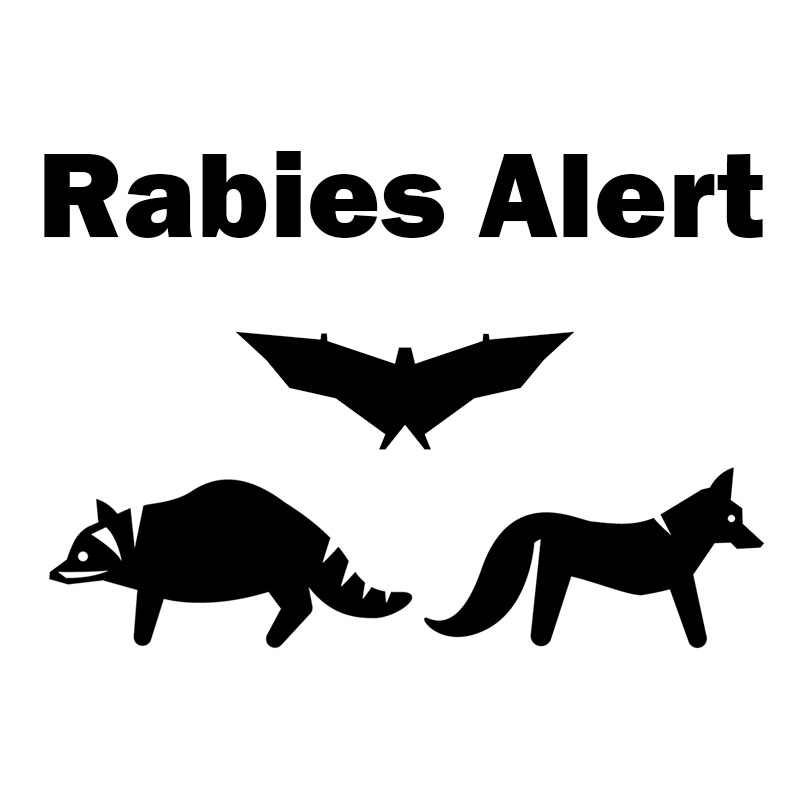
This is an important reminder to avoid contact with wild animals and to keep your pets up to date on rabies vaccinations. Several species of wild animals in coastal Georgia – including raccoons, foxes, and bats – can carry rabies. Feral cats and dogs can carry rabies as well. Rabies is a potentially deadly virus that is primarily spread by infected animals.

The Glynn County Health Department Environmental Health office has these tips to protect you and your family from rabies:

  • Avoid contact with animals you don’t know.
  • Make sure your pets receive the proper immunizations. Dogs and cats should get rabies vaccines after 12 weeks of age, followed by a booster shot within one year and vaccination every 1-3 years depending on veterinary recommendation and vaccine used.
  • Do not handle, feed, or unintentionally attract wild animals with open garbage cans or by leaving pet food out at night.
  • Never adopt wild animals or bring them into your home. Do not try to nurse sick animals to health. Call animal control or a properly licensed animal rescue agency for assistance.
  • Teach children to never handle unfamiliar animals, wild or domestic, even if they appear friendly. “Love your own, leave other animals alone” is a good principle for children to learn.

Symptoms of rabies in animals include a change in behavior, biting, aggression, showing no fear of natural enemies (such as humans), foaming at the mouth, and paralysis. If an animal ever bites you, seek medical care immediately and contact Glynn County Animal Control at 912-554-7500 and the Glynn County Health Department Environmental Health office at 912-279-2940.

Raccoon Tests Positive for Rabies on Jekyll Island

A raccoon on Jekyll Island in Glynn County has tested positive for rabies. A family dog confronted the raccoon on a bike trail along the East River Wednesday morning. A member of the Jekyll Island Wildlife Response Team captured the raccoon for testing, and the positive test result was reported today.

The dog owner and the response team member have been notified of the positive test result. Fortunately, the dog was vaccinated for rabies and has received a rabies booster shot.

This is an important reminder for residents and visitors to avoid contact with wild animals. As always, pet owners are also urged to keep their animals up to date on rabies vaccinations.

Several species of wild animals in coastal Georgia – including raccoons, foxes, and bats – can carry rabies. Feral cats and dogs can carry rabies as well. Rabies is a potentially deadly virus that is primarily spread by infected animals.

The Glynn County Health Department Environmental Health office has these tips to protect you and your family from rabies:

  • Avoid contact with animals you don’t know.
  • Make sure your pets receive the proper immunizations. Dogs and cats should get rabies vaccines after 12 weeks of age, followed by a booster shot within one year and vaccination every 1-3 years depending on veterinary recommendation and vaccine used.
  • Do not handle, feed, or unintentionally attract wild animals with open garbage cans or by leaving pet food out at night.
  • Never adopt wild animals or bring them into your home. Do not try to nurse sick animals to health. Call animal control or a properly licensed animal rescue agency for assistance.
  • Teach children to never handle unfamiliar animals, wild or domestic, even if they appear friendly. “Love your own, leave other animals alone” is a good principle for children to learn.

Symptoms of rabies in animals include a change in behavior, biting, aggression, showing no fear of natural enemies (such as humans), foaming at the mouth, and paralysis. If an animal ever bites you, seek medical care immediately and contact Glynn County Animal Control at 912-554-7500 and the Glynn County Health Department Environmental Health office at 912-279-2940.

Fox Tests Positive for Rabies in Brunswick

A fox in a residential area near the intersection of Blythe Island Highway and Highway 82 in Brunswick tested positive for rabies today. On June 8, the fox was attacking objects in the yard of a couple who frequently feeds wild animals before it attacked the couple.

The Department of Natural Resources turned the fox over to the Glynn County Health Department’s Environmental Health office for testing. The health department has contacted everyone that had potential exposure to the rabid fox and encouraged them to follow poison control and physician guidance. Residents and visitors are discouraged from feeding or having contact with wild animals, and all pets should be properly vaccinated against rabies.

This incident is a reminder that several species of wild animals in our area can carry rabies, including raccoons, foxes, and bats. Rabies is a potentially deadly virus that is primarily spread by infected animals.

Following these tips can protect you and your family from rabies:

  • Avoid contact with animals you don’t know.
  • Make sure your pets receive the proper immunizations. Dogs and cats should get rabies vaccines after 12 weeks of age, followed by a booster shot within one year and vaccination every 1-3 years depending on veterinary recommendation and vaccine used.
  • Do not handle, feed, or unintentionally attract wild animals with open garbage cans or by leaving pet food out at night.
  • Never adopt wild animals or bring them into your home. Do not try to nurse sick animals to health. Call animal control or a properly licensed animal rescue agency for assistance.
  • Teach children to never handle unfamiliar animals, wild or domestic, even if they appear friendly. “Love your own, leave other animals alone” is a good principle for children to learn.

Symptoms of rabies in animals include a change in behavior, biting, aggression, showing no fear of natural enemies (such as humans), foaming at the mouth, and paralysis. If an animal ever bites you, seek medical care immediately and contact Glynn County Animal Services at 912-544-7500 and the Glynn County Environmental Health office at 912-279-2940.

CDC Updates COVID-19 Vaccine Booster Recommendations

The Centers for Disease Control and Prevention (CDC) recently updated its COVID-19 vaccine recommendations to allow for an additional bivalent booster dose for people at highest risk of severe illness. Previously, individuals could only receive one of the updated booster shots.

The additional bivalent booster dose has been authorized for:

  • Adults ages 65 years and older, and
  • People who are immunocompromised.

The bivalent vaccines by Pfizer and Moderna cover two strains of the virus that causes COVID-19, offering better protection against more recent variants of the virus.

These changes do not apply to individuals between the ages of 6 and 64 who have already received a bivalent booster unless they have immune system concerns.

To schedule a COVID-19 vaccine appointment, go to www.chdcovidvax.org or call your county health department. Individuals may also call with questions regarding eligibility for another COVID-19 booster shot.

For more information on COVID-19 vaccine recommendations by the CDC, please visit Vaccines for COVID-19.

Free STD Screening Events in April

Several health departments in the Coastal Health District will offer free, confidential STD screening events in April as part of STD Awareness Month. About 1 in 5 people have a sexually transmitted disease. Left untreated, these STDs can cause serious health issues, affect fertility, and be passed along to partners.

The good news is that all STDs can be treated, and most can be cured. The first step is getting tested. The following health departments will offer STD screenings at no cost on the following dates:

Bryan County Health Department
430 Ledford Street, Pembroke and 66 Capt. Matthew Freeman Drive, Richmond Hill
Thursday, April 20, 8 a.m. – 3:30 p.m.
Appointments available but not required – walk-ins welcome!

Camden County Health Department
905 Dilworth Street, St. Marys
Thursday, April 13, 8-11 a.m. and 1-6 p.m.
Friday, April 14, 8-11 am.
No appointment necessary, walk-ins welcome!

Chatham County Health Department
1395 Eisenhower Drive, Savannah
Monday – Friday, April 10-14
Appointments required. Call 912-356-2441 to schedule.

Effingham County Health Department
802 Hwy. 119 South, Springfield
Tuesday, April 11, 1-3:30 p.m.
Appointments required. Call 912-754-6484 to schedule.

Glynn County Health Department
2747 Fourth Street, Brunswick
Thursday, April 13, 8 a.m. – 5 p.m.
Appointments required. Call 912-264-3961 to schedule.

Liberty County Health Department
1113 East Oglethorpe Highway, Hinesville
Wednesday, April 19, 8:30 a.m. – 3:30 p.m.
No appointment necessary, walk-ins welcome!

Long County Health Department
584 N. Macon Street, Ludowici
Monday – Friday, April 10-14
By appointment every day except April 13.
On April 13, walk-ins welcome 8:30 a.m. – 5:30 p.m.
Call 912-545-2107 to schedule.

There is normally a fee attached to STD screenings. Screenings will be offered at no cost only during the days and times outlined above. 

Love, Relationships, and PrEP

On Friday, March 24th, at 5 p.m., join Cobb & Douglas Public Health for a virtual wellness event and learn more about PrEP, a daily medication that can greatly reduce your risk of HIV infection.

The Virtual Wellness Event is open to all, and is geared toward women in Georgia. Topics will include self-care, sexual wellness and health, dating, and PrEP.

Login information is in the graphic below.

Plant-based Enfamil Infant Formula Recalled Due to Health Concerns

Reckitt, one of the main formula manufacturers in the U.S., is recalling two batches of Enfamil ProSobee Simply Plant-Based Infant Formula because of possible cross-contamination with Cronobacter sakazakii bacteria. To date, no illnesses or adverse events have been reported.

ProSobee Simply Plant-Based Infant Formula in 12.9 oz containers was manufactured between August 2022 and September 2022. The batches in question can be identified by the number on the bottom of the can. Recalled product batches are ZL2HZF and ZL2HZZ, both with a UPC code of 300871214415 and a “Use by Date” of “1 Mar 2024.” The products were distributed through retail stores in the U.S., Guam, and Puerto Rico.

This formula recall affects about 2,200 Georgia WIC families. WIC participants and caregivers of infants who have purchased this product should contact Reckitt at 1-800-479-0551 or by email at consumer.relations@rb.com.

Products identified as part of this recall may be returned to a WIC clinic for replacement benefits. Participants also have the option to return recalled containers of formula to the place of purchase for an exchange or refund.  The alternative available for GA WIC participants is the 20.9 oz size of the Enfamil ProSobee Simply Plant-Based Infant formula, which was not impacted by the voluntary recall.

Parents and caregivers of infants who have used this product and are concerned about the health of their child should contact their pediatrician or healthcare provider. To date, Reckitt/Mead Johnson indicates the batches in question have tested negative for Cronobacter and other bacteria. 

For more information, visit dph.georgia.gov/WIC or consumer.relations@rb.com.