Air Quality Monitoring Resources and Health Information
READ MORE »

×

The Coastal Health District of Georgia serves the counties of Bryan, Camden, Chatham, Effingham, Glynn, Liberty, Long & McIntosh

Liberty News


All County Health Departments Resume Normal Operations Monday, Sept. 9

On Monday, September 9th, all health departments in all 8 counties of the Coastal Health District will be back to normal operational hours.

District and county offices and clinics were closed for several days because of Hurricane Dorian. As the storm approached the Georgia coast, all county operations were suspended because of mandatory evacuations and concerns about severe weather. After the storm, some counties remained closed as employees assisted with reentry for evacuees.

But beginning at 8 a.m. on September 9th, all county health departments, environmental health offices, CARE Centers, and district offices will be back open with normal hours.

We apologize for any inconvenience caused by the closures, and we thank you for your understanding.

World Breastfeeding Week Event Scheduled for August 3

The Coastal Health District Women, Infants, and Children (WIC) nutrition program will host a World Breastfeeding Week celebration from 9:30 to 11:30 a.m. on Saturday, August 3, at the Forsyth Park Farmers Market in Savannah. The event is free and family-friendly and will include a walk for breastfeeding awareness, photo booth, the 10th annual Big Latch On, and information on the benefits of breastfeeding.

Free t-shirts (while supplies last) will be given to all participants. To receive a free t-shirt, you must register.

World Breastfeeding Week is celebrated during the first week in August every year in more than 170 countries to encourage breastfeeding and improve the health of babies around the world.  This year’s theme is “Empower Parents, Enable Breastfeeding.” According to the World Alliance for Breastfeeding Action (WABA) , the theme was chosen to be inclusive of all types of parents in today’s world. Focusing on supporting both parents to be empowered is vital in order to realize their breastfeeding goals.

The Coastal Health District is committed to helping mothers breastfeed their babies because breastfeeding is so important for good health. Breast milk is easy to digest, with just the right amount of fat, sugar, water, and protein for a baby’s growth and development. Breastfed babies usually get sick less often, because breast milk contains antibodies that can protect infants from bacterial and viral infections.

For more information on lactation services offered through the Coastal Health District, visit coastalhealthdistrict.org/breastfeeding


HIV Director Susan Alt Receives Lifetime Achievement and Medical Provider of the Year Awards

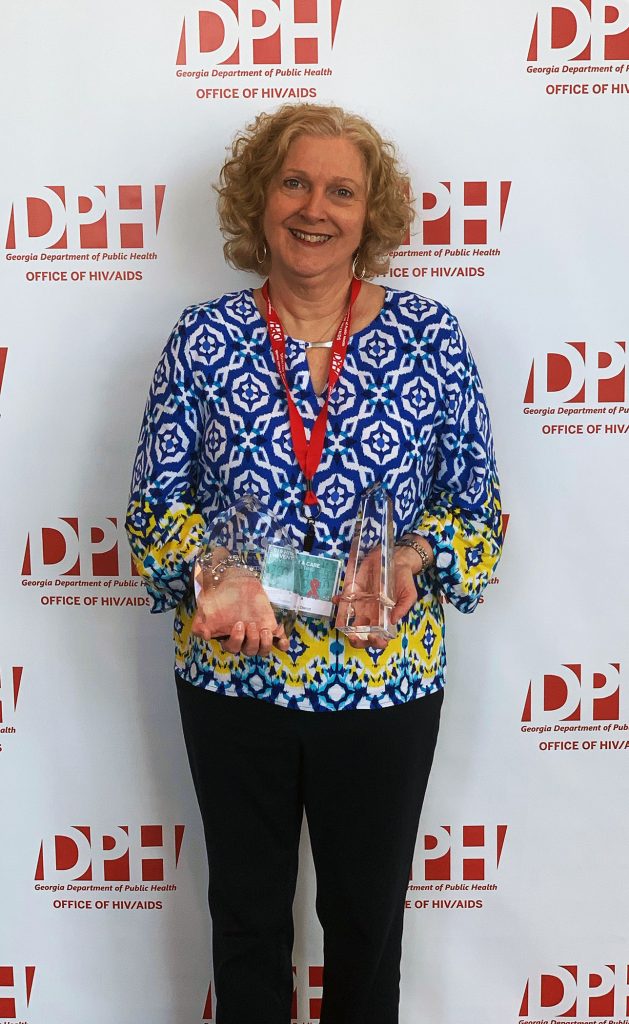
Susan Alt, Coastal Health District HIV Director, was recently honored for 35 years of compassion and care for persons living with HIV and AIDS in coastal Georgia. Alt received the Lifetime Achievement Award and the Medical Provider of the Year Award from the Georgia Department of Public Health’s Office of HIV/AIDS.

Coastal Health District HIV Director Susan Alt

“Susan’s approach to all individuals impacted by HIV is marked by empathy, compassion and the highest quality standards possible,” said Georgia’s HIV Prevention Manager Brooke Mootry as she presented the Lifetime Achievement Award. “Her commitment to her work and to the community has been unwavering from day one.”

Alt joined the Chatham County Health Department’s HIV Program in the early days of the HIV epidemic. Since then, the program has grown from just 40 patients to more than 1,470 active patients in 8 counties, with Alt at the helm. The Coastal Health District was the first public health district in the state of Georgia to conduct HIV clinical trials and continues to pursue new and better ways to treat and prevent HIV.

But for Alt, it’s not about the disease – it’s about the people. “Susan is deeply devoted to making sure those living with HIV are treated not only medically but also with respect and compassion,” said Georgia’s HIV Care Manager Marisol Cruz as she presented the Medical Provider of the Year Award. This award is for medical providers (including nurses, physicians and pharmacists) who provide exceptional HIV/AIDS healthcare.

The Coastal Health District’s HIV Program provides comprehensive outpatient HIV care and case management to persons with HIV/AIDS. Every county health department provides free, walk-in HIV testing, and the Coastal Health District has 3 HIV Program centers for expanded services in Savannah, Brunswick and Hinesville. Get more information on our HIV Program page.

National HIV Testing Day Events

The Coastal Health District HIV Prevention Program will hold free HIV testing events on June 27 in observance of National HIV Testing Day. Testing will take place from 10 a.m. to 7 p.m. at the following locations:

Walgreens, 2109 E. Victory Drive, Savannah
Walgreens, 11509 Abercorn St., Savannah
Walgreens, 4210 Augusta Rd., Garden City
Walgreens, 4575 Altama Avenue, Brunswick

Testing is confidential and results will be available in one minute. A follow-up visit will be scheduled for anyone who test positive and counseling will be made available to those individuals. In addition to free HI testing, there will be staff available to discuss HIV prevention options such as PrEP, the daily pill t prevent HIV, and treatment as prevention. Gift cards and door prizes will also be given out at the testing events.

HIV testing is recommended as part of routine health care, yet many Americans are not being tested as often as advised. Whether living with HIV or not, there are more options than ever to stay healthy. The first step is knowing your status and getting tested for HIV.  National HIV Testing Day is an opportunity to normalize HIV testing and encourage people to   make it part of routine health care.

Our testing events are part of a nationwide activation in 245 cities with Walgreens, Greater Than AIDS, health departments, and local organizations to normalize HIV testing and encourage people to make it part of routine health care.

The U.S. Center for Disease Control and Prevention (CDC) estimates around 1.2 million people in the United States are living with HIV, and one in eight people don’t know they have it. National HIV Testing Week is an opportunity to raise awareness, encourage people to get the facts, tested, get involved, and get linked to care and treatment services.

As a reminder, HIV testing is free at all health departments in Bryan, Camden, Chatham, Effingham, Glynn, Liberty, Long, and McIntosh counties and available Monday through Friday during regular health department hours of operation.

Anyone with questions about testing can call Diane DeVore at (912) 644-5828 or e-mail Diane.Devore@dph.ga.gov.

Georgia WIC Comment Survey

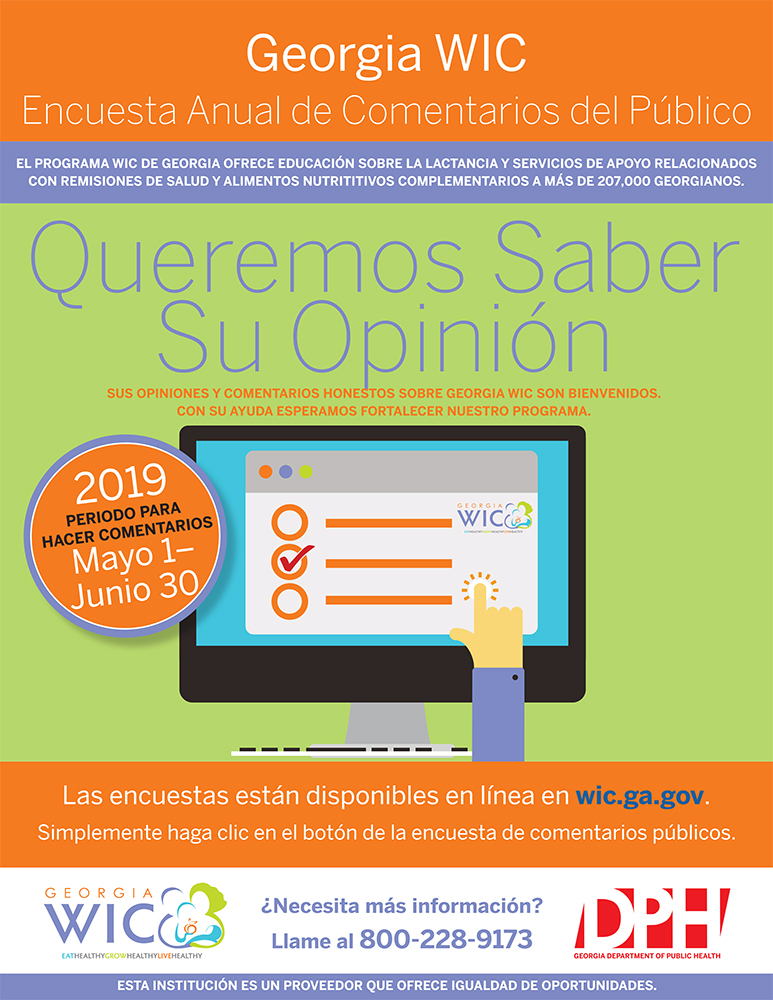
Let us know what you think about WIC! We want to make the program better but we need your help. Please go to wic.ga.gov to give us your feedback. The survey will be open through June 30.

Potential Hepatitis A Exposure from Restaurant Worker

A case of hepatitis A has been diagnosed in a food handler at the Zaxby’s located at 5971 Ogeechee Road. A public health investigation found that this employee worked while infectious, March 29 through April 3.

It is relatively rare for restaurant patrons to become infected with hepatitis A virus due to an infected food handler. However, anyone who consumed food and/or drink at the restaurant between March 29 and April 3 should watch for the symptoms of hepatitis A infection.

Hepatitis A is a viral infection of the liver, and symptoms may include:

  • Loss of appetite
  • Nausea
  • Tiredness
  • Fever
  • Stomach pain
  • Brown-colored urine and light-colored stools
  • Yellowing of the skin of eyes

Symptoms can appear up to 50 days after exposure to the virus. If anyone develops these symptoms, they should stay at home and contact their healthcare provider immediately.

There is also a safe and effective vaccine for hepatitis A that is available through some healthcare providers and all health departments. Even if the vaccine is given after the person was exposed, it can provide protection against developing hepatitis A.

Careful hand washing, including under the fingernails, with soap and water, is always an important tool to prevent the spread of this and many other diseases. Hepatitis A usually spreads when a person unknowingly ingests the virus from objects, food, or drinks contaminated by small, undetected amounts of stool from an infected person. The virus spreads when an infected person does not wash his/her hands adequately after using the toilet or engages in behaviors that increase risk of infection.

The following flyer has more information about hepatitis A.

Hepatitis A Information [PDF, 6.15 MB]

Additional information can be found at cdc.gov/hepatitis.

Ladies Who PrEP Summit Scheduled for April 13

The Georgia Department of Public Health Office of HIV/AIDS, Sister Love, Inc., and the Coastal Health District will host the “Ladies Who PrEP Summit” in Savannah on April 13 at the Savannah Marriott Riverfront.

WHO: The Georgia Department of Public Health Office of HIV/AIDS, Sister Love, Inc., and the Coastal Health District

WHAT: Ladies Who PrEP Summit

WHEN: 10 a.m. – 3 p.m., Saturday, April 13

WHERE: Savannah Marriott Riverfront, 100 General McIntosh Blvd., Savannah

WHY: Attendees will be empowered to take control of their sexual health as they discuss women’s sexual health issues and learn about Pre-Exposure Prophylaxis (PrEP) as an HIV prevention option. The day will be a great blend of education and fun as attendees will enjoy food, celebrity guest panels, music, and interactive skill building activities from health experts.

This event is free and open to the public but registration is required:
https://ladieswhoprepsavannah.eventbrite.com

Click here for more information about PrEP.

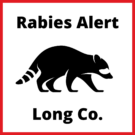
Raccoon in Midway Tests Positive for Rabies

A raccoon in the Billy Harris Point area of Midway has tested positive for rabies. A family dog that came into contact with the raccoon was not up to date on his rabies vaccination but has since received the vaccine.  The dog will remain under quarantine for 45 days as a precaution.

Several species of wild animals that are native to coastal Georgia – including raccoons, foxes, and bats – can carry rabies. Rabies is a potentially deadly virus that is primarily spread by infected animals. The Liberty County Environmental Health office offers these tips to protect you and your family from rabies:

  • Avoid contact with animals you don’t know.
  • Make sure your pets receive the proper immunizations. Dogs and cats should get rabies vaccines after 12 weeks of age, followed by a booster shot within one year and vaccination every 1-3 years depending on veterinary recommendation and vaccine used.
  • Do not handle, feed, or unintentionally attract wild animals with open garbage cans or by leaving pet food out at night.
  • Never adopt wild animals or bring them into your home. Do not try to nurse sick animals to health. Call animal control or a properly licensed animal rescue agency for assistance.
  • Teach children to never handle unfamiliar animals, wild or domestic, even if they appear friendly. “Love your own, leave other animals alone” is a good principle for children to learn.

Symptoms of rabies in animals include a change in behavior, biting, aggression, showing no fear of natural enemies (such as humans), foaming at the mouth, and paralysis.

If an animal ever bites you, seek medical care immediately and contact Liberty County Animal Control at 912-876-9191 and the Liberty County Environmental Health office at 912-368-5520.

County Health Departments Awarded Car Seat Mini-Grant; Buckle Up Right, Every Trip, Every Time


Health departments in Bryan, Chatham, Glynn, Liberty, Long, and McIntosh counties were awarded the 2019 Car Seat Mini Grant by the Georgia Department of Public Health, Injury Prevention Program. Health departments in those counties will use the Mini-Grant funding to educateparents and caregivers on how to properly install and use car seats, offercar seat inspections, and providecar seats and booster seats to financially eligible families.

The program is funded by the Governor’s Office of Highway Safety to help ensure Georgia’s children are safe while riding in motor vehicles. Since 2007, the education, car seats, and booster seats provided through the Mini-Grant prevented serious injury or death and saved over 300 of Georgia’s children who were involved in crashes. According to the National Highway Traffic Safety Administration, car seats reduce fatal injuries by 71 percent among infants and by 54 percent among children ages 1 to 4 years in passenger cars.

Car seats offer the best protection for children in the event of a crash, and they are most effective when installed and used correctly. Nearly three out of every four car seats are not used properly, placing children at unnecessary risk.

Through the Car Seat Mini-Grant, agencies supporting more than 130 counties are working to keep Georgia’s children safe. These programs help families get their children buckled up right, every trip, every time.

For more information on the car seat program in the six Coastal Health District counties that received funding, please contact the local health department directly.  Contact information for Coastal Health District health departments can be found at coastalhealthdistrict.org/counties.


It’s Not Too Late to Get a Flu Shot

Although we’re heading into spring, the flu is still circulating widely in Georgia. Getting vaccinated is the best protection against the flu and it’s not too late to get a flu shot. Health departments in Bryan, Camden, Chatham, Effingham, Glynn, Liberty, Long, and McIntosh counties still have flu vaccine available.

“The flu is out there and as long as the flu virus is circulating, it’s never too late to vaccinate,” said Lawton Davis, M.D., district health director for the Coastal Health District. “Flu season can run as late as May.”

Influenza can be a serious disease that leads to hospitalization and sometimes death. Regardless of race, age, gender or ethnicity, anyone can get sick from the flu. Those especially at risk are adults 65 years of age and older, children younger than 5, pregnant women, people with certain chronic diseases such as asthma, diabetes, heart disease or other long-term medical conditions. The CDC recommends everyone 6 months and older receive a flu vaccine. While getting the flu vaccine is the best way to prevent the flu, there are other things we can all do every day to prevent getting or spreading the flu:

  • Avoid close contact with sick people.
  • If you get sick with flu-like illness, stay home for at least 24 hours after the fever is gone except to get medical care or for other necessities. The fever should be gone without the use of a fever-reducing medicine.
  • While sick, limit contact with others as much as possible to keep from infecting them.
  • Try to cough or sneeze into the corner of your elbow and not your hand or cover your nose and mouth with a tissue when you cough or sneeze. Throw the tissue in the trash after you use it.
  • Wash your hands with soap and water. If soap and water are not available, use an alcohol-based hand rub.
  • Avoid touching your eyes, nose, and mouth. Germs spread this way.
  • Clean and disinfect surfaces and objects that may be contaminated with germs like the flu.