The Coastal Health District of Georgia serves the counties of Bryan, Camden, Chatham, Effingham, Glynn, Liberty, Long & McIntosh

News


District Health Director Announces Retirement; New Health Director to Start August 1

Diane Z. Weems, M.D., who has served as health director of the Coastal Health District for the past three years, announced today that she will retire at the end of the month. Lawton C. Davis, M.D., the current health director of the South Central Health District, has been named as her successor.

A board-certified pediatrician, Weems began her public health career at the Lowndes County Health Department in 1986 and relocated to the Chatham County Health Department in 1987 as a staff physician. In 1993, Weems became the chief medical officer for the health district and served in that position until appointed district health director in February 2013. She was instrumental in the formation of the Chatham County Safety Net Planning Council and has served on numerous community boards. In addition, she served as a Governor’s appointee and vice-chair of the Public Health Commission in 2010 whose report was instrumental in supporting the establishment of an independent Georgia Department of Public Health. Weems is the recipient of numerous professional awards including the 2011 Georgia Public Health Association’s Sellers-McCroan Award and the Al Dohany Award for community service.

Davis has served as health director in the South Central Health District for the past 18 years. He earned a bachelor’s degree in biology from Furman University and a medical degree from the Medical College of Georgia. He practiced internal medicine for 13 years and worked full time as an emergency room physician for two years in Dublin before joining public health as the district health director in January of 1998. Davis has served as the chair of the state’s technical review committee (onsite sewage disposal) since its creation in July of 1999. He has served on the boards of multiple organizations and is a proponent of strengthening public health’s community presence through community activity. Davis and his wife, Diane, have three grown children.

“Dr. Weems has made significant and lasting contributions during her 30 years of service to public health. She has served as a dedicated public health ambassador on local, regional, and state levels and is truly representative of what is good about public health leadership in Georgia,” said Commissioner of the Georgia Department of Public Health, Brenda Fitzgerald, M.D. “Dr. Davis brings a wealth of public health experience and his own unique perspective and leadership style to the Coastal Health District. I am confident that under his guidance the District will continue to be proactive in preventing disease and promoting good health among its residents.”

Camden County Health Department Receives Grant from Communities of Coastal Georgia Foundation

The Camden County Health Department has received $5000 from The Communities of Coastal Georgia Foundation (CCGF) to begin an advanced vision screening program. The program will support the “Learning to Read, Reading to Learn” literacy improvement initiative which focuses on making sure that children are reading at grade level by the end of third grade.

The grant funding will allow the health department to purchase a Spot™ Vision Screener, a small machine that uses a non-invasive method to quickly and accurately detect vision problems in children. Currently, the health department uses a basic vision screen for children ages three to five as part of school readiness requirements. The Spot™ Vision Screener will allow the health department to screen children as young as six months and older than five years for a variety of problems. Children who need follow-up care can then be referred to a clinician for treatment.

“The earlier vision problems can be identified, the quicker we can try to get those problems corrected,” said Camden County Health Department Nurse Manager, Mallory Chappell, R.N. “Our long-term goal is to promote early literacy through reading. It is our hope that detecting vision problems in our children will help accomplish that goal.”

Part of the CCGF funding will also be used educate parents and caregivers on the importance of early vision screening and the impact of undetected and untreated vision problems on a child’s ability to read and learn.

“This grant will help us help the children in our community on several levels and we are truly grateful to be chosen as recipients by The Communities of Coastal Georgia Foundation,” said Chappell.

CCGF Grant Picture

[JPG, 237.00 KB] Pictured L to R: Coastal Georgia Foundation Board Member, Ed Andrews; Camden County Health Department Nurse Manager, Mallory Chappell, R.N.; and Coastal Georgia Foundation Board Member, Mary Root.

More EEE Virus Activity in West Chatham Mosquito Population

Chatham County Mosquito Control has documented additional occurrences of the Eastern Equine Encephalitis (EEE) virus in the mosquito population in West Chatham County. EEE was detected in multiple areas of Chatham County in late May and again in June. EEE is a mosquito-borne virus that causes swelling of the brain and poses a significant risk to both horses and humans.

Horse and large animal owners are encouraged to vaccinate their animals against the virus and to clean out watering sources, such as buckets and troughs, every three to four days to prevent mosquitoes from breeding there. The primary mosquito that transmits EEE breeds in freshwater swamps. Residents are encouraged to use EPA-registered insect repellents containing 20%-30% DEET, Picaridin, IR3535, or Oil of Lemon Eucalyptus to protect themselves from mosquitoes. In addition, wearing light colored clothing with long sleeves, long pants, and socks can help prevent mosquito bites.

Chatham County Mosquito Control will continue to monitor EEE activity within the county and is taking measures to reduce the mosquito population by continuing to spray the affected areas. Residents are encouraged to help by keeping mosquitoes from breeding by getting rid of standing water around the home and in the yard. For containers without lids or that are too big to tip over or toss out (bird baths, garden pools), use larvicides such as Mosquito Dunks or Pre-Strike Mosquito Torpedoes and follow the label instructions. These larvicides will not harm birds or animals.

Residents are always encouraged to remember the 5 D’s of Prevention:

Dusk/Dawn – Mosquitoes usually bite at dusk and dawn, so avoid or limit outdoor activity at these times.
Dress – Wear loose-fitting, long sleeved shirts and pants to reduce the amount of exposed.
DEET – Cover exposed skin with an insect repellent containing the DEET, which is the most effective repellent against mosquito bites.
Drain – Empty any containers holding standing water because they are excellent breeding grounds for virus-carrying mosquitoes.
Doors – Make sure doors and windows are in good repair and fit tightly, and fix torn or damaged screens to keep mosquitoes out of the house.

For more information on EEE: http://www.cdc.gov/EasternEquineEncephalitis/


Rabid Fox Attacks Dog in McIntosh County; Officials Remind Residents to Vaccinate Pets

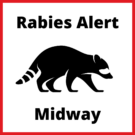
A fox that that attacked a family dog off of Franklin Street Extension has tested positive for rabies. The dog was not up-to-date on his rabies vaccination and had to be euthanized as a result. No humans were exposed to the fox but Environmental Health officials want to remind residents to vaccinate pets against rabies and to avoid wild animals. Several species of wild animals that are native to coastal Georgia – including raccoons, foxes, and bats – can carry rabies.

Rabies is a potentially deadly virus that is primarily spread by infected animals. Symptoms of rabies in animals include a change in behavior, biting, aggression, showing no fear of natural enemies (such as humans), foaming at the mouth, and paralysis.

The McIntosh County Health Department Environmental Health Office offers these tips to protect you and your family from rabies:
Avoid contact with animals you don’t know.
• Make sure your pets receive the proper immunizations. Dogs and cats should get rabies vaccines by four months of age, followed by a booster shot one year later, and another one every year as prescribed by your veterinarian.
• Do not handle, feed, or unintentionally attract wild animals with open garbage cans or by leaving pet food out at night.
• Never adopt wild animals or bring them into your home. Do not try to nurse sick animals to health. Call animal control or a properly licensed animal rescue agency for assistance.
• Teach children to never handle unfamiliar animals, wild or domestic, even if they appear friendly. “Love your own, leave other animals alone” is a good principle for children to learn.

If an animal ever bites you, seek medical care immediately and contact McIntosh County Animal Control at 912-258-1376 and the McIntosh County Health Department Environmental Health Office at 912-832-5473.

Eastern Equine Encephalitis Detected in Chatham County; Officials Urge Residents to Take Precautions

Chatham County Mosquito Control has confirmed that Eastern Equine Encephalitis (EEE) has been detected in western Chatham County. Mosquito Control has subsequently conducted mosquito abatement activities in that area.

EEE is a mosquito-borne virus that causes swelling of the brain. In horses, it is fatal 70 to 90 percent of the time. Horse and large animal owners are encouraged to vaccinate their animals against the virus and to clean out watering sources, such as buckets and troughs, every three to four days to prevent mosquitoes from breeding there. The primary mosquito that transmits EEE breeds in freshwater swamps. No human cases of disease have been reported in Georgia this year; however, humans are susceptible to EEE.

EEE is one of several viruses that can be transmitted by the bite of infected mosquitoes including West Nile Virus, chikungunya, and Zika.

One of the most effective ways of preventing the spread of mosquito-borne viruses is controlling the mosquito population by eliminating standing water around the home and in the yard. In addition, clean out gutters, remove piles of leaves, and keep vegetation cut low to prevent landing sites for adult mosquitoes. For containers without lids or that are too big to tip over or toss out (bird baths, garden pools), use larvicides such as Mosquito Dunks or Pre-Strike Mosquito Torpedoes and follow the label instructions. These larvicides will not hurt birds or animals.

It is also important to protect yourself from mosquito bites. Use EPA-registered insect repellents containing 20%-30% DEET, Picaridin, IR3535, or Oil of Lemon Eucalyptus. Wear light colored clothing with long sleeves, long pants and socks to help prevent mosquito bites.

Residents are always encouraged to remember the 5 D’s of Prevention:

Dusk/Dawn – Mosquitoes usually bite at dusk and dawn, so avoid or limit outdoor activity at these times.
Dress – Wear loose-fitting, long sleeved shirts and pants to reduce the amount of exposed.
DEET – Cover exposed skin with an insect repellent containing the DEET, which is the most effective repellent against mosquito bites.
Drain – Empty any containers holding standing water because they are excellent breeding grounds for virus-carrying mosquitoes.
Doors – Make sure doors and windows are in good repair and fit tightly, and fix torn or damaged screens to keep mosquitoes out of the house.
For more information on EEE: http://www.cdc.gov/EasternEquineEncephalitis/

For more information on Zika: http://www.cdc.gov/zika/index.html

For more information on West Nile Virus: http://www.cdc.gov/westnile/

For more information on chikungunya: http://www.cdc.gov/chikungunya/

Free HIV Testing Events Scheduled in Chatham County

June 27 is National HIV Testing Day and the Coastal Health District HIV program will offer free HIV testing at several locations in June in observance of National HIV Testing Day. Testing will be done without the use of a needle and those tested will get results in 20 minutes. A follow-up visit will be scheduled for anyone who tests positive and counseling will be made available to those individuals.


Free HIV testing events (No appointment necessary):

3 p.m. – 7 p.m., Thursday, June 23
Walgreens, 2109 E. Victory Drive, Savannah

3 p.m. – 7 p.m., Friday, June 24
Walgreens, 2109 E. Victory Drive, Savannah

10 a.m. – 2 p.m., Saturday, June 25
Walgreens, 2109 E. Victory Drive, Savannah

9 a.m. – 3 p.m., Monday, June 27
Chatham County Health Department, 1395 Eisenhower Drive, Savannah


The U.S. Center for Disease Control and Prevention (CDC) estimates that one out of six people living with HIV/AIDS in the U.S. is unaware of their HIV status. According to the CDC, more than 90 percent of new HIV infections in the United States could be prevented by testing and diagnosing people who have HIV and ensuring they receive prompt, ongoing care and treatment.National Testing Day is an opportunity for people to learn their HIV status and gain knowledge to take control of their lives. The Chatham CARE Center is pleased to offer free HIV testing as part of this global effort.

For more information, please call Diane DeVore at (912) 353-3276 or e-mail Diane.DeVore@dph.ga.gov

Chatham County Health Department Midtown Location to Close Temporarily

The Chatham County Health Department midtown site, located at 1602 Drayton Street, will be temporarily closed beginning Monday, June 27, while much needed enhancements are made to the building. The overhaul is expected to take about six months. Clients who normally use the midtown location for public health services will be asked to go to the Chatham County Health Department site at 1395 Eisenhower Drive until the midtown facility reopens. All public health services offered at the midtown site are also offered at the Eisenhower location.

Free Mammogram Screens in Chatham County

The Chatham County Health Department’s Breast and Cervical Cancer Program (BCCP) is partnering with the St. Joseph’s/Candler Mobile Mammography Program to offer free mammograms from 10 a.m. to 2 p.m. on Wednesday, May 18, at the Chatham County Health Department located at 1395 Eisenhower Drive. Women 40-64 years old without insurance whose annual income is not greater than 200% of the Federal Poverty Level are eligible.

Appointments are encouraged but walk-ins will be accepted. To make an appointment, call 819-6800.

Chatham Co. Health Dept. to Hold Free Vision, Hearing, Dental, & Nutrition Screening for School Students

The Chatham County Health Department located at 1395 Eisenhower Drive, will hold free eye, ear, dental, and nutrition screenings for Chatham County school students on three separate days this summer. Students entering a Georgia school for the first time – no matter what the grade level –  must have a completed Certificate of Vision, Hearing, Dental, and Nutrition screening form. “First time” means never enrolled in a Georgia school before at any time in their lives.

No appointment is necessary and students will be seen on a first come, first served basis. Normally a $30 fee applies when getting the screening at the health department so this is a great opportunity for parents and caregivers.  Immunizations will also be provided during those days for regular cost.

Free screenings will be offered:
1 p.m. – 4 p.m., Monday, May 23
1 p.m. – 4 p.m., Wednesday, June 15
8:30 a.m. – 4 p.m., Wednesday, July 20

For additional information, call the Chatham County Health Department at 356-2441.


Residents Encouraged to Tip ‘n Toss to Prevent Mosquitoes

Public health officials in the Coastal Health District, which includes Bryan, Camden, Chatham, Effingham, Glynn, Liberty, Long, and McIntosh counties, are urging residents to clean up around their homes, yards and communities and get rid of unnecessary items that can hold water and turn into mosquito breeding grounds. After every rainfall, tip out water in flowerpots, planters, children’s toys and wading pools, and buckets. If it holds water and you don’t need it (old tires, bottles, cans), toss it out. Mosquitoes can cause disease such as West Nile Virus, Eastern Equine Encephalitis, and Zika virus.

One of the most effective ways of preventing the spread of mosquito-borne viruses is controlling the mosquito population by eliminating standing water around the home and in the yard. In addition, clean out gutters, remove piles of leaves, and keep vegetation cut low to prevent landing sites for adult mosquitoes. For containers without lids or that are too big to Tip ‘n Toss (bird baths, garden pools), use larvicides such as mosquito dunks or mosquito torpedoes and follow the label instructions. Larvicides will not hurt birds or animals. Homeowners associations and neighborhoods, along with city and county governments, are encouraged to sponsor community cleanup days.

“Controlling the mosquito population has to be a community-wide effort,” said Dr. Diane Weems, District Health Director for the Coastal Health District. “If we all do our part to remove places where mosquitoes can breed and take precautions to prevent getting bitten by mosquitoes then we can lessen the risk of getting mosquito-borne diseases.”

It is also important to protect yourself from mosquito bites. Use EPA-registered insect repellents containing 20%-30% DEET, Picaridin, IR3535, or Oil of Lemon Eucalyptus. Wear light colored clothing with long sleeves, long pants and socks to help prevent mosquito bites.