Eligible women can receive no-cost mammograms next month when the St. Joseph’s/Candler mobile mammography unit visits the Chatham County Health Department.
Chatham County Health Department main clinic – 1395 Eisenhower Drive, Savannah
Appointments required. Call 912-356-2946.
All screenings are by appointment only and are open to women aged 40 and older without health insurance coverage. The mobile mammography unit will also visit the health department on May 26, August 24, and October 26.
Breast cancer is the second most commonly diagnosed cancer and the second-leading cause of cancer death in women. However, many cancer deaths can be avoided through regular screening. When breast cancer is detected and treated early, the chance of survival is greatly increased.
The Breast and Cervical Cancer Program (BCCP) helps increase access to life-saving screenings for women who do not have health insurance coverage for mammograms and cervical cancer screenings. For more information about available services, please visit our BCCP page.
The Coastal Health District is warning individuals and businesses after receiving a report that an unknown person falsely claimed to be a health inspector and threatened to close a Glynn County restaurant. The restaurant manager reported the incident to the Glynn County Health Department on Monday, Feb. 10, stating that the encounter occurred over the weekend with an angry patron who made the false claim.
Because the individual did not ask for money or favors, law enforcement was not involved. However, the Coastal Health District is sharing the following information to help protect individuals and businesses from potential fraudulent encounters.
“We take incidents like this very seriously, because we take integrity and professionalism seriously,” said Environmental Health Director Brant Phelps. “This is a good opportunity to let folks know what to expect from our health inspectors and how to recognize suspicious behavior.”
County health inspectors:
Carry official identification cards. Businesses may ask to see the inspector’s ID and may call the county environmental health office to verify credentials.
Never accept money in the field. Fees for permits and other environmental health services are paid directly to the health department and are never collected in cash.
If the behavior of someone claiming to be a health inspector seems suspicious, contact the county environmental health office to verify their identity. Never pay for environmental health services in cash or directly to an individual in the field.
A dead bat discovered on the porch of a Savannah home has tested positive for rabies. The bat was found on February 3 at a residence in the Magnolia Park area. A resident of the home reported the bat to public health after becoming concerned that their cat may have come into contact with it.
Laboratory testing later confirmed that the bat was positive for rabies. Fortunately, the resident’s cat is vaccinated against rabies and will receive a booster vaccination for additional protection. There was no human exposure.
Rabies is a deadly virus that is primarily spread by infected animals. This is an important reminder that rabies can circulate in several species of wild animals in coastal Georgia, including raccoons, foxes, and bats. Residents are urged not to feed wild animals or attempt to domesticate feral animals, and pet owners are reminded to ensure their animals get regular rabies shots.
The Chatham County Health Department’s Environmental Health office has these tips to protect you and your family from rabies:
Avoid contact with animals you don’t know.
Make sure your pets receive the proper immunizations. Dogs and cats should get rabies vaccines after 12 weeks of age, followed by a booster shot within one year and vaccination every 1-3 years depending on veterinary recommendation and vaccine used.
Do not handle, feed, or unintentionally attract wild animals with open garbage cans or by leaving pet food out at night.
Never adopt wild animals or bring them into your home. Do not try to nurse sick animals to health. Call animal control or a properly licensed animal rescue agency for assistance.
Teach children to never handle unfamiliar animals, wild or domestic, even if they appear friendly. “Love your own, leave other animals alone” is a good principle for children to learn.
Symptoms of rabies in animals include a change in behavior, biting, aggression, showing no fear of natural enemies (such as humans), foaming at the mouth, and paralysis. If an animal ever bites you, seek medical care immediately and contact Chatham County Animal Services at 912- 652-6575 and the Chatham County Environmental Health office at 912-356-2160.
Vendors planning to sell food within the festival zone on private property must submit a Temporary Food Service Application by February 27, 2026.
Submit Temporary Food Service Applications to: Chatham County Health Department – Environmental Health 📍1395 Eisenhower Dr., Savannah, GA 31406 📧Email (PDF format): Chatham.eh@dph.ga.gov
Application Fee: $60 💳Payable in person (Cash & American Express will not be accepted) 💻Or virtually: Chatham County Payment Portal
Applicants are responsible for ensuring their proposed location is approved by the City of Savannah Zoning Use Coordinator and for obtaining a Business Tax Certificate from the City of Savannah Revenue Department.
Zoning approval questions or additional information: 📞912-651-3108 📧 planning@savannahga.gov
Revenue questions or additional information: 📞 912-651-6445
☘️We appreciate your cooperation and look forward to a safe and successful St. Patrick’s Day festival!
Show your heart some love this month and get free blood pressure and blood glucose screenings during events at your local health department.
The Chatham County Health Department is hosting its 3rd Annual Heart Health Fair on Thursday, February 12 from 3:00 to 6:00 p.m. at the clinic located at 1395 Eisenhower Drive. There is no cost to participate and no appointment is needed.
The event will include free blood pressure screenings, blood glucose tests, raffle prizes, and refreshments, plus door prizes for the first 30 attendees! The health fair will also feature information and education from several community partners.
These other free blood pressure and blood glucose screening events are scheduled throughout the Coastal Health District:
Bryan County
Feb. 19, 8am – 12pm
Richmond Hill Clinic at 66 Captain Matthew Freeman Dr.
Camden County
Feb. 13, 10am – 12pm
101 Winding Rd., Kingsland
Chatham County
Feb. 9, 8am – 12pm
Main clinic at 1395 Eisenhower Dr.
Feb. 11, 1 – 5pm
Midtown clinic at 1602 Drayton St.
Heart Health Fair, Feb. 12, 3-6pm
Main clinic at 1395 Eisenhower Dr.
Effingham County
Feb. 11, 8am – 12pm
802 Hwy 119 South, Springfield
Glynn County
Feb. 20, 10am – 12pm
2747 Fourth St., Brunswick
Liberty County
Feb. 10, 1 – 5pm
1113 E. Oglethorpe Hwy.
Long County
Feb. 27, 10am – 12pm
584 N. Macon St., Ludowici
McIntosh County
Feb. 6, 10am – 12pm
1335 GA Hwy 57, Townsend
Why Get Screened?
High blood pressure can lead to serious health problems, but you and your healthcare team can take steps to lower your blood pressure if it’s too high. The only way to know is to get checked with a simple blood pressure screening.
Another important routine test is a blood glucose screening, which checks for health concerns like prediabetes and diabetes. Once you know your blood glucose levels, you can make any needed adjustments to your diet, exercise, or medications to improve your health.
The Coastal Health District has several programs to help you manage blood pressure and blood glucose levels. Find out more about these programs and other local resources at any of these heart health events and on our Healthy Living web page.
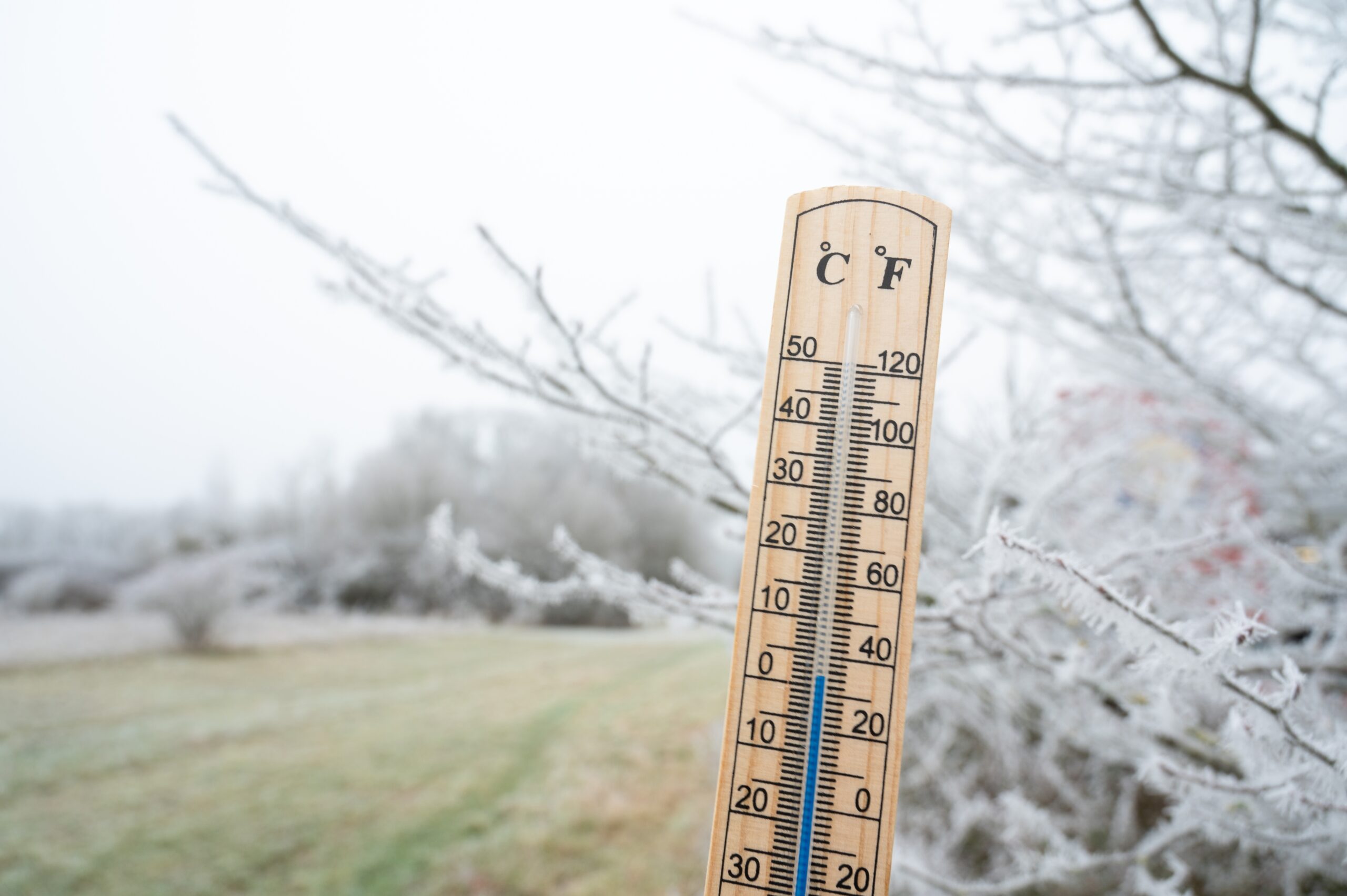
The Coastal Health District is preparing for a period of unseasonably cold weather, with temperatures expected to drop below freezing through early next week. The coldest conditions are expected Saturday night into Sunday morning, when life-threatening wind chills could drop into the single digits in some areas. Conditions will be slightly warmer Sunday night into Monday morning, though wind chills in the teens are still possible.
In addition, an area of low pressure is forecast to develop off the Southeast coast this weekend and may bring snowfall, particularly to our northern counties. At this time, there is still considerable uncertainty regarding the timing and amount of any snowfall.
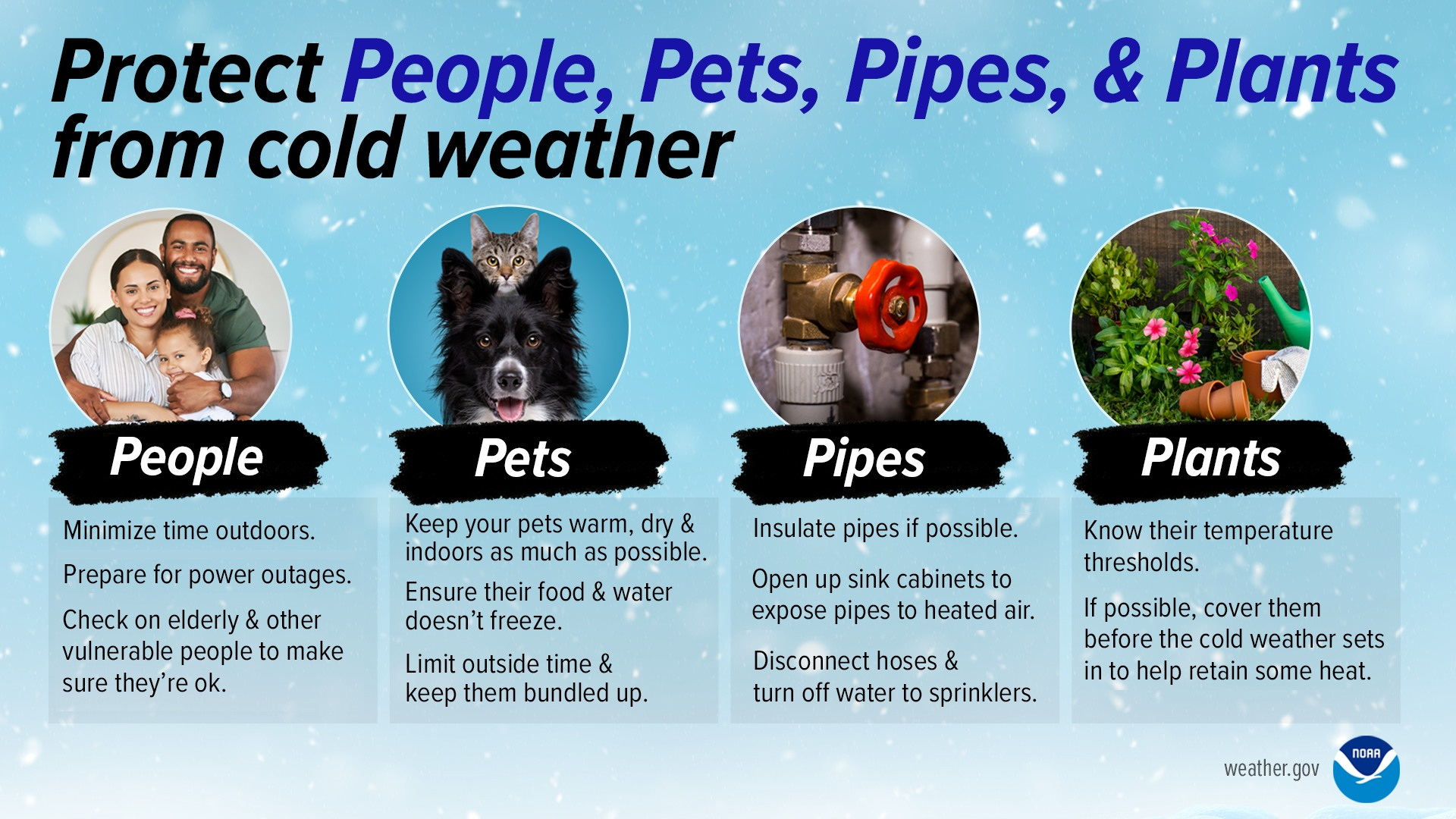
While extreme cold poses risks for everyone, some individuals are more vulnerable than others. Please take time to check on family members, friends, and neighbors to make sure they have adequate warmth and are staying safe.
Protect People Check in on children, older adults, and anyone with functional, access, or medical needs. Make sure they have adequate heat, warm clothing, and supplies to stay safe during cold weather.
Protect Pets During extreme cold, bring pets indoors overnight. Never leave animals in vehicles during winter—cars can quickly become dangerously cold, acting like refrigerators.
Protect Plants Cover plants with fabric on cold nights to help insulate them. Avoid plastic coverings, as they can trap moisture and cause more harm than good.
Protect Pipes Insulate exposed pipes by wrapping them with newspaper, towels, or old clothing. When temperatures fall below freezing, let faucets drip slightly to help prevent pipes from freezing and bursting.
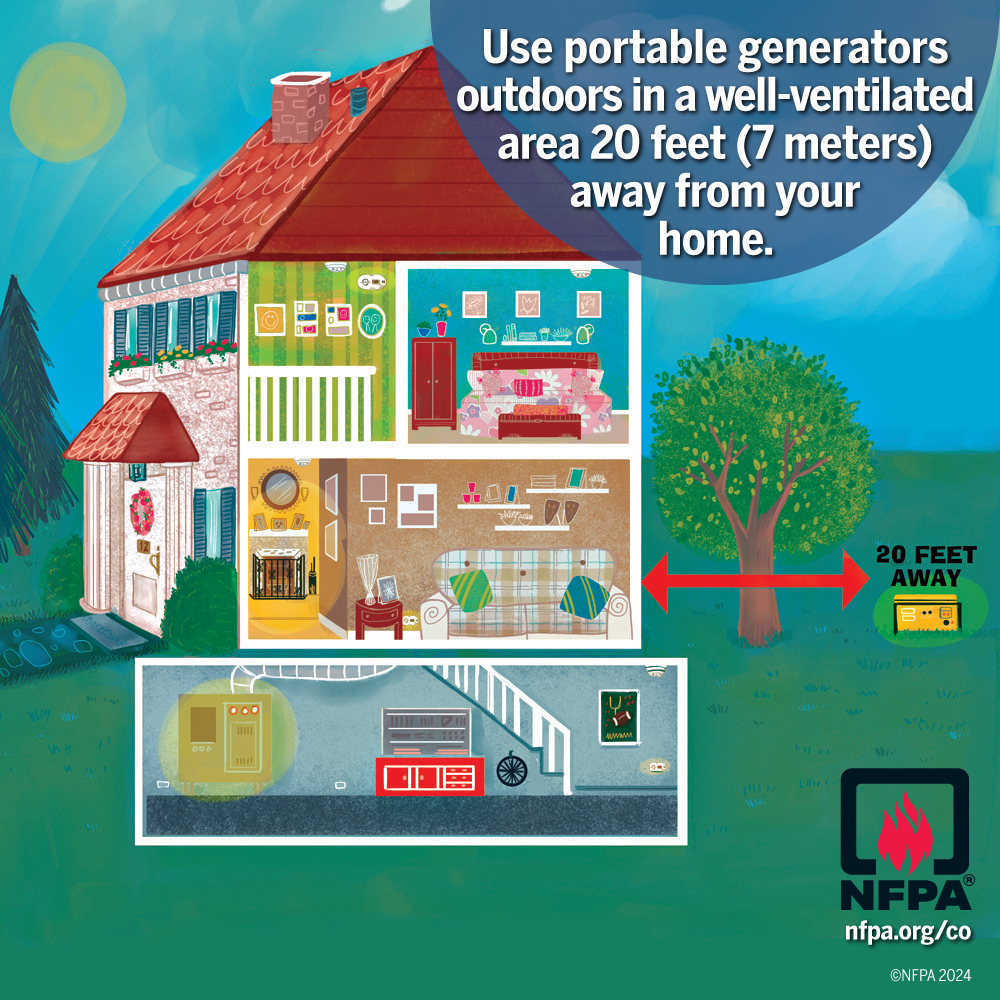
Extreme cold can lead to power outages. Generators can be helpful when the power goes out, but it’s important to know how to use them safely to prevent carbon monoxide (CO) poisoning.
Never use a generator inside your home or garage, even if doors and windows are open.
Only use generators outside, more than 20 feet away from your home, doors and windows.
Install battery-operated or battery backup carbon monoxide detectors near every sleeping area in your home.
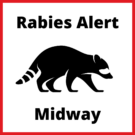
The Glynn County Health Department is alerting residents and visitors that a raccoon on Jekyll Island has tested positive for rabies. A family visiting Jekyll Island encountered a sick raccoon on January 17, 2026. The Jekyll Island Authority Conservation team was notified and was able to safely obtain the raccoon. The animal was observed to be exhibiting signs of lethargy and neurological impairment.
No bites or scratches were reported; however, adults involved did come into contact with the raccoon’s saliva while attempting to provide aid. All potentially exposed individuals have been notified of the positive test results and have received post-exposure guidance.
Rabies is a deadly virus that is primarily spread by infected animals. This is an important reminder that rabies can circulate in several species of wild animals in coastal Georgia, including raccoons, foxes, and bats. Residents are urged not to feed or handle wild animals or attempt to domesticate feral animals, and pet owners are reminded to ensure their animals get regular rabies shots.
The Glynn County Health Department’s Environmental Health office has these tips to protect you and your family from rabies:
Avoid contact with animals you don’t know.
Make sure your pets receive the proper immunizations. Dogs and cats should get rabies vaccines after 12 weeks of age, followed by a booster shot within one year and vaccination every 1-3 years depending on veterinary recommendation and vaccine used.
Do not handle, feed, or unintentionally attract wild animals with open garbage cans or by leaving pet food out at night.
Never adopt wild animals or bring them into your home. Do not try to nurse sick animals to health. Call animal control or a properly licensed animal rescue agency for assistance.
Teach children to never handle unfamiliar animals, wild or domestic, even if they appear friendly. “Love your own, leave other animals alone” is a good principle for children to learn.
Symptoms of rabies in animals include a change in behavior, biting, aggression, showing no fear of natural enemies (such as humans), foaming at the mouth, and paralysis. If an animal ever bites you, seek medical care immediately and contact Glynn County Animal Control at 912-554-7500 and the Glynn County Health Department Environmental Health office at 912-279-2940.
The Coastal Health District, in partnership with the Effingham YMCA, is launching a Diabetes Support Group designed to provide education, resources, and a supportive community for adults aged 18 and older living with diabetes. The group is open to both Effingham YMCA members and non-members.
Approximately 30 million Americans have been diagnosed with diabetes, a chronic condition that increases the risk of heart disease and stroke. Type 1 diabetes occurs when the body does not produce insulin, while Type 2 diabetes develops when the body cannot properly use insulin. Most cases of Type 2 diabetes can be prevented through weight loss, healthy eating, and regular physical activity.
The first meeting will take place on Monday, February 9, 2026, from 5:00 to 6:00 p.m. at the Effingham YMCA, located at 1224 Patriot Dr. in Rincon. Sessions will feature a combination of diabetes education and guest speakers.
Meetings will be held on the second and fourth Monday of every month at the same time and location. Tentative upcoming dates include:
February 9 and February 23
March 9 and March 23
April 13 and April 27
May 11 and May 25
June 8 and June 22
July 13 and July 27
Registration is strongly encouraged for all individuals who plan to attend the meetings: bit.ly/EffinghamDiabetesGroup.
A raccoon in Ellabell in north Bryan County has tested positive for rabies. The Bryan County Health Department’s environmental health office reminds all residents to avoid contact with wild animals and ensure pets are properly vaccinated against rabies.
A resident contacted the health department Monday after their family dog killed a raccoon in their backyard over the weekend. The residence is near Interstate 16 and Highway 280 in Ellabell. The raccoon was sent to the public health laboratory where it tested positive for rabies. Fortunately, the dog was up to date on its rabies vaccination, and no humans were exposed to the raccoon.
This incident is a reminder that several species of wild animals in our area can carry rabies, including raccoons, foxes, and bats. Rabies is a potentially deadly virus that is primarily spread by infected animals. The following tips can protect you and your family from rabies:
Avoid contact with animals you don’t know.
Make sure your pets receive the proper immunizations. Dogs and cats should get rabies vaccines after 12 weeks of age, followed by a booster shot within one year and vaccination every 1-3 years depending on veterinary recommendation and vaccine used.
Do not handle, feed, or unintentionally attract wild animals with open garbage cans or by leaving pet food out at night.
Never adopt wild animals or bring them into your home. Do not try to nurse sick animals to health. Call animal services or a properly licensed animal rescue agency for assistance.
Teach children to never handle unfamiliar animals, wild or domestic, even if they appear friendly. “Love your own, leave other animals alone” is a good principle for children to learn.
Symptoms of rabies in animals include a change in behavior, biting, aggression, showing no fear of natural enemies (such as humans), foaming at the mouth, and paralysis. If an animal ever bites you, seek medical care immediately and contact Bryan County Animal Services at 912-851-3817 and the Bryan County Environmental Health office at 912-756-2636.
In recognition of National Maternal Health Awareness Day on January 23, the Chatham County Health Department is hosting a free community celebration focused on supporting and uplifting mothers and families. Nurturing the Nest: A Day to Celebrate Maternal Health will take place on Thursday, January 22, from 3:00 p.m. to 6:00 p.m. at the Midtown Clinic, located at 1602 Drayton St. in Savannah.
Participants can enjoy a variety of activities and resources, including raffle prizes and incentives; access to a diaper and wipes locker provided by Over the Moon Diaper Bank; light snacks and refreshments; vendor and informational tables; blood sugar and blood pressure screenings; and on-site community resources focused on women’s health, children’s services, and STD prevention.
The event will feature five 30-minute Community Education Sessions offered throughout the afternoon, covering key topics in maternal and family health. A tentative schedule of sessions includes: