The Coastal Health District of Georgia serves the counties of Bryan, Camden, Chatham, Effingham, Glynn, Liberty, Long & McIntosh

View Upcoming Events

News & Events


NEW Presumed Positive Case of COVID-19 in Georgia

The following press release is from the Georgia Department of Public Health:

ATLANTA – The Georgia Department of Public Health (DPH) is awaiting confirmatory testing on a presumptive positive test for COVID-19 in a resident of Fulton County. Initial testing was completed today at the Georgia Public Health Laboratory (GPHL). The individual is hospitalized, and the source of the exposure is not known.

Currently, there are five confirmed cases of COVID-19 in Georgia – three in Fulton County, one in Polk County (previously reported as Floyd County) and one in Cobb County. And, confirmatory tests by the Centers for Disease Control and Prevention (CDC) are pending on two presumptive positive tests – one is a resident of Gwinnett County, the other is the above Fulton County resident tested at GPHL today.

The risk of COVID-19 to the general public remains low. The best prevention measures for any respiratory virus are:

  • Wash your hands often with soap and warm water for at least 20 seconds. If soap and water are not available, use an alcohol-based hand sanitizer.
  • Avoid touching your eyes, nose and mouth with unwashed hands.
  • Avoid close contact with people who are sick.
  • Stay home when you are sick.
  • Cover your cough or sneeze with a tissue, then throw the tissue in the trash.
  • Clean and disinfect frequently touched objects and surfaces.

If you have recently traveled to areas where there are ongoing outbreaks of COVID-19 and develop fever with cough and shortness of breath within 14 days of your travel, or if you have had contact with someone who is suspected to have COVID-19, stay home and call your health care provider or local health department right away. Be sure to call before going to a doctor’s office, emergency room, or urgent care center and tell them about your recent travel and your symptoms.

New Cases of COVID-19 Identified in Georgia

From the Georgia Department of Public Health:

ATLANTA – There have been a number of developments overnight regarding COVID- 19 in Georgia. Governor Kemp and DPH Commissioner Kathleen E. Toomey, M.D., M.P.H. want to remind all Georgians that the overall risk of COVID-19 to the general public remains low and there is no evidence of community spread of COVID-19 in Georgia at this time.

Overnight Developments

The Georgia Department of Public Health (DPH) and the Centers for Disease Control and Prevention (CDC) have confirmed two additional cases of COVID-19 in Georgia. Testing was done by the CDC, prior to the Georgia Public Health Laboratory (GPHL) having the capacity to test for COVID-19.

One individual is from Cobb County and recently returned from Italy and is isolated at home. The other individual is from Fulton County and is hospitalized. The source of this individual’s exposure is unclear at this time. Additionally, DPH is awaiting confirmatory testing on a presumptive positive test for COVID-19 in a resident of Gwinnett County. The initial testing was completed by GPHL March 6. The individual recently returned from Italy and was self-monitoring at home, and is now isolated at home.

CDC testing has confirmed the presumptive positive test for COVID-19 in a resident of Floyd County. The original testing was done by GPHL March 5. The individual is hospitalized.

“Federal and state officials continue to work closely together to conduct testing and determine the extent of exposure for confirmed cases of COVID-19. The risk to Georgians remains low. We ask Georgians to stay vigilant, utilize best practices to mitigate health risk, and remain calm,” said Governor Kemp.

“DPH is prepared to mitigate the spread of this virus in our state, and we are aggressively working to identify anyone who may have had contact with these individuals,” said Kathleen E. Toomey, M.D., M.P.H., DPH commissioner. “Despite these new cases, the overall risk of COVID-19 to the general public remains low; but each new case of COVID-19 in Georgia reinforces the fact we should all be practicing basic prevention measures that are extremely effective in limiting the spread of COVID-19 and all respiratory illnesses.”

Basic Prevention

  • Wash your hands often with soap and warm water for at least 20 seconds. If soap and water are not available, use an alcohol-based hand sanitizer.
  • Avoid touching your eyes, nose and mouth with unwashed hands.
  • Avoid close contact with people who are sick.
  • Stay home when you are sick.
  • Cover your cough or sneeze with a tissue, then throw the tissue in the trash.
  • Clean and disinfect frequently touched objects and surfaces.

If you have recently traveled to areas where there are ongoing outbreaks of COVID-19 and develop fever with cough and shortness of breath within 14 days of your travel, or if you have had contact with someone who is suspected to have COVID-19, stay home and call your health care provider or local health department right away. Be sure to call before going to a doctor’s office, emergency room, or urgent care center and tell them about your recent travel and your symptoms.

Visit Our COVID-19 Information Page

Cat Tests Positive for Rabies in Isle of Hope Area

A cat from a home on LaRoche Avenue in the Isle of Hope area of Chatham County has tested positive for rabies. The cat was a former stray, recently adopted by new owners, and with an uncertain vaccination history. The owners took the cat to a local veterinary clinic for treatment of an unrelated condition. The cat did not survive and subsequently tested positive for rabies.

The Chatham County Health Department has notified the family members and animal care providers who had contact with the cat, advising them to consult with a physician about possible post-exposure rabies treatment. The Health Department also reminds the community of the importance of vaccinating newly adopted animals with no vaccination record.

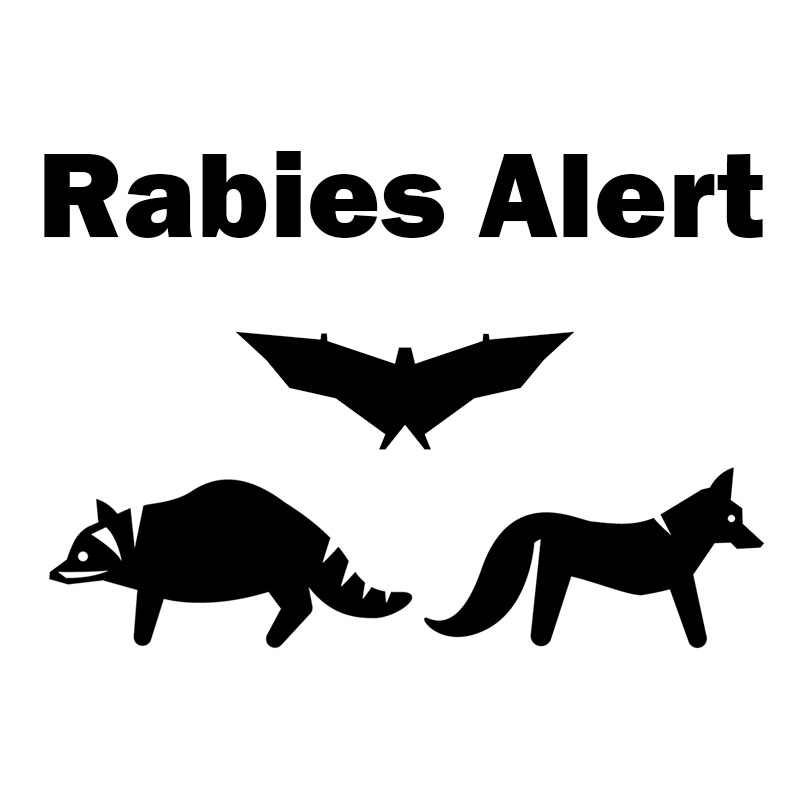
It is not known how the cat became infected with rabies. Several species of wild animals that are native to coastal Georgia – including raccoons, foxes, and bats – can carry rabies. Rabies is a potentially deadly virus that is primarily spread by infected animals. The Chatham County Health Department Environmental Health office offers these tips to protect you and your family from rabies:

  • Avoid contact with animals you don’t know.
  • Make sure your pets receive the proper immunizations. Dogs and cats should get rabies vaccines after 12 weeks of age, followed by a booster shot within one year and vaccination every 1-3 years depending on veterinary recommendation and vaccine used.
  • Do not handle, feed, or unintentionally attract wild animals with open garbage cans or by leaving pet food out at night.
  • Never adopt wild animals or bring them into your home. Do not try to nurse sick animals to health. Call animal control or a properly licensed animal rescue agency for assistance.
  • Teach children to never handle unfamiliar animals, wild or domestic, even if they appear friendly. “Love your own, leave other animals alone” is a good principle for children to learn.

Symptoms of rabies in animals include a change in behavior, biting, aggression, showing no fear of natural enemies (such as humans), foaming at the mouth, and paralysis.

If an animal ever bites you, seek medical care immediately and contact Chatham County Animal Services at 912-652-6575 and the Chatham County Environmental Health office at 912-356-2160.

DPH Awaits CDC Confirmation of Positive COVID-19 Test in Floyd County

ATLANTA – The Georgia Department of Public Health (DPH) is awaiting confirmatory testing on a positive test for COVID-19 in a Georgia patient in Floyd County. The initial testing was completed by the Georgia Public Health Laboratory on March 5.

Per testing protocols established by the Centers for Disease Control and Prevention (CDC), the test results were sent to the CDC for confirmation. Testing at most state laboratories, including Georgia, is just underway; and due to previous flaws in the test components sent to state laboratories, the CDC requires all presumptive positives for COVID-19 be sent to them for verification at this time. We expect to have results from the CDC in the coming days.

“The Centers for Disease Control and Prevention has not confirmed initial test results for this patient. The Georgia Department of Public Health has requested expedited processing for an official determination,” said Governor Kemp. “To prevent the spread of incomplete or inaccurate information, we encourage Georgians to rely on guidance from the CDC, the DPH, and my office. We will continue to provide regular updates to keep the public informed and ensure the health and safety of families across our state.”

DPH is working to identify any contacts who may have been exposed while the individuals were infectious. People who are identified as having been exposed will be contacted directly by a DPH epidemiologist and monitored for fever and respiratory symptoms.

The risk of COVID-19 to the general public remains low at this time. All Georgians should follow basic prevention measures for any respiratory illness, including:

  • Wash your hands often with soap and warm water for at least 20 seconds. If soap and water are not available, use an alcohol-based hand sanitizer.
  • Avoid touching your eyes, nose and mouth with unwashed hands.
  • Avoid close contact with people who are sick.
  • Stay home when you are sick.
  • Cover your cough or sneeze with a tissue, then throw the tissue in the trash.
  • Clean and disinfect frequently touched objects and surfaces.

If you have recently traveled to areas where there are ongoing outbreaks of COVID-19 and develop fever with cough and shortness of breath within 14 days of your travel, or if you have had contact with someone who is suspected to have COVID-19, stay home and call your health care provider or local health department right away. Be sure to call before going to a doctor’s office, emergency room, or urgent care center and tell them about your recent travel and your symptoms.

Eat Right, Bite by Bite

Choosing nutritious foods and getting enough physical activity can make a significant difference in your health. For National Nutrition Month® 2020, in March, the Academy of Nutrition and Dietetics encourages people to make informed food choices and develop sound eating and physical activity habits.

Each March, the Academy focuses attention on healthful eating through National Nutrition Month®. This year’s theme, Eat Right, Bite by Bite, promotes eating a variety of nutritious foods every day, planning and creating healthful meals each week and the value of consulting a registered dietitian nutritionist.

“Developing healthful eating habits does not mean undertaking drastic lifestyle changes,” said registered dietitian nutritionist Jerlyn Jones, a national spokesperson for the Academy based in Atlanta, Ga. “Registered dietitian nutritionists help their clients develop individualized eating and activity plans with simple steps that can help them meet their health goals. These simple steps are developed to become lifelong habits.”

Registered dietitian nutritionists provide recipe ideas, cooking tips and other healthful advice for everyday issues such as cooking dinner or meal preparation for picky eaters. In addition, many registered dietitian nutritionists provide medical nutrition therapy to help clients manage chronic conditions such as diabetes, heart disease and hypertension. They often work as part of a medical team to help clients set nutrition goals to improve their health.

Medical nutrition therapy provided by a registered dietitian nutritionist includes reviewing the client’s eating habits and lifestyle, assessing their nutritional status and creating a personalized nutrition treatment plan. Many medical plans cover the costs of seeing a registered dietitian nutritionist. To find a registered dietitian nutritionist near you, use the Academy’s online Find an Expert service.

Test your knowledge about nutrition: NNM_Quiz_2020_v2_Final [PDF, 189.42 KB]

National Nutrition Month® was initiated in 1973 as National Nutrition Week, and it became a month-long observance in 1980 in response to growing interest in nutrition. The second Wednesday of March is celebrated as Registered Dietitian Nutritionist Day to commemorate the dedication of registered dietitian nutritionists as the leading advocates for advancing the  nutritional status of Americans and people around the world. This year’s celebration will be March 11.

As part of National Nutrition Month®, the Academy’s website will host resources to spread the message of good nutrition and the importance of an overall healthy lifestyle for people of all ages, genders and backgrounds. The public also can follow National Nutrition Month® on the Academy’s social media channels including Facebook and Twitter using #NationalNutritionMonth.

Free Mammograms in Chatham County

The Chatham County Health Department’s Breast and Cervical Cancer Program (BCCP) is partnering with the St. Joseph’s/Candler Mobile Mammography Program to offer free mammograms from 8:30 a.m. to 3 p.m. on Tuesday, March 31, at the Chatham County Health Department located at 1395 Eisenhower Drive in Savannah. Women who meet certain annual income guidelines and are 40-64 years of age without insurance will be eligible to receive a screening mammogram at no cost.

Appointments are preferred but walk-ins will be accepted. To make an appointment, please
call 356-2946.

For more information on the Breast and Cervical Cancer Program, go to GaCHD.org/bccp.

Gov. Kemp, Officials Confirm Two Cases of COVID-19 in Georgia

There are currently no confirmed cases of COVID-19 in the Coastal Health District.

From the Georgia Department of Public Health:

This evening, Governor Brian Kemp, Georgia Department of Public Health (DPH) Commissioner Kathleen Toomey, M.D., and state officials confirmed Georgia’s first cases of Coronavirus Disease 2019 (COVID-19) involving two residents of Fulton County who live in the same household. One recently returned from Italy. Both have mild symptoms; they are isolated at home with other relatives to keep the illness from spreading.

DPH is working to identify any contacts who may have been exposed while the individuals were infectious. People who are identified as having been exposed will be contacted directly by a DPH epidemiologist and monitored for fever and respiratory symptoms.

Earlier this evening, Governor Kemp spoke with Vice President Mike Pence about the two confirmed cases. The Governor’s Coronavirus Task Force was briefed via conference call at roughly 9:30 p.m. At 10 p.m., Governor Kemp held a press conference at the Georgia State

Capitol with Dr. Toomey, State Epidemiologist Cherie Drenzek, Adjutant General Tom Carden, Georgia Department of Emergency Management and Homeland Security Director Homer Bryson, and Insurance and Safety Fire Commissioner John King.

“Our team has been working around the clock to prepare for any scenario. Already, state health officials have established contact with these individuals to gather more information, monitor their condition, and determine any exposure,” said Governor Kemp. “They are confident that our efforts to prepare for this moment have enabled us to manage these cases appropriately and minimize any risks moving forward. We remain in constant communication with our partners at all levels of government, and we will continue to update members of the public as information becomes available.”

“We knew that Georgia would likely have confirmed cases of COVID-19, and we planned for it. The immediate risk of COVID-19 to the general public, however, remains low at this time,” said Kathleen E. Toomey, M.D., M.P.H, DPH commissioner. “I cannot emphasize enough the need for all Georgians to follow the simple precautions that DPH always urges to prevent the spread of respiratory viruses.”

COVID-19 spreads through the air when an infected person coughs or sneezes. Symptoms appear within two to 14 days after exposure and include fever, cough, runny nose, and difficulty breathing. Those considered at risk for contracting the virus are individuals with travel to areas where there are ongoing outbreaks of COVID-19 or individuals in close contact with a person infected with COVID-19.

Best Practices

  • Wash your hands often with soap and warm water for at least 20 seconds. If soap and water are not available, use an alcohol-based hand sanitizer.
  • Avoid touching your eyes, nose, and mouth with unwashed hands.
  • Avoid close contact with people who are sick.
  • Stay home when you are sick.
  • Cover your cough or sneeze with a tissue, then throw the tissue in the trash.
  • Clean and disinfect frequently touched objects and surfaces.

The flu is still widespread and active throughout the state, so if you have not already gotten a flu shot, it is not too late. While the flu shot will not protect against COVID-19, it will prevent serious complications that require hospitalization and prevent overburdening the health care system in the event of a COVID-19 outbreak.

If you have recently traveled to areas where there are ongoing outbreaks of COVID-19 and develop fever with cough and shortness of breath within 14 days of your travel, or if you have had contact with someone who is suspected to have COVID-19, stay home and call your health care provider or local health department right away. Be sure to call before going to a doctor’s office, emergency room, or urgent care center and tell them about your recent travel and your symptoms.


For more information and resources about COVID-19, visit our COVID-19 Planning and Response Pages.

DPH Preparations for Potential Spread of COVID-19

ATLANTA – The Georgia Department of Public Health (DPH) is working closely with the CDC, and state partners to prepare for a potential outbreak of COVID-19 in the U.S., including Georgia. The goal is to quickly identify cases of COVID-19 and take the appropriate public health action to reduce its spread and protect the general public. It is important to note that at this time, the overall risk of COVID-19 to the general public remains low.

“We urge Georgians to prepare for hurricanes or flooding or take measures to prevent flu, so preparing for an outbreak of COVID-19 is no different,” said Kathleen E. Toomey, M.D., M.P.H., DPH commissioner. “DPH is working to make sure our health systems, first responders and county health departments have the resources they need to respond to a COVID-19 outbreak.”

DPH already has a detailed pandemic flu plan that was developed in partnership with the Georgia Emergency Management Agency, the Georgia Department of Education and other state agencies, and will be adapted for a COVID-19 outbreak in the state. DPH has responded to other serious disease outbreaks, including Ebola and Zika virus and each instance has provided new insight and guidance and highlighted the need to be as prepared as we can be.

DPH Emergency Preparedness and Response (EPR) is providing CDC information and guidance about COVID-19 to all health care and hospital facilities throughout Georgia, and holding weekly calls with the entire public health and hospital/health care community to update information and answer questions.

DPH epidemiologists are on-call 24/7 to help health care providers evaluate individuals presenting with symptoms of COVID-19 to ensure that possible cases are managed safely, support laboratory testing and implement recommendations from the CDC. In the event of COVID-19 in Georgia, epidemiologists would also be monitoring outbreaks and recommending control strategies, including guidance regarding testing and isolation.

Should it become necessary, DPH may recommend appropriate community mitigation measures for affected communities, such as temporary closure of child care facilities and schools/colleges and universities, school and workplace social distancing measures, and postponement or cancellation of mass gatherings. Additionally, businesses should consider ways to implement strategies to reduce the impact of a potential COVID-19 outbreak on their workforce, including teleworking and cross-training employees on essential job functions.

The same measures that are urged to prevent the spread of any respiratory virus are increasingly important for all Georgians:

  • Wash your hands often with soap and water for at least 20 seconds. If soap and water are not available, use an alcohol-based hand sanitizer.
  • Avoid touching your eyes, nose and mouth with unwashed hands.
  • Avoid close contact with people who are sick.
  • Stay home when you are sick.
  • Cough or sneeze into your elbow or use a tissue to cover it, then throw the tissue in the trash.
  • Clean and disinfect frequently touched objects and surfaces.
  • The best prevention against the flu is vaccination. Flu is still widespread and active in Georgia – it’s not too late to get a flu shot.

Passenger screening at Hartsfield Jackson Atlanta International Airport is ongoing. This is to identify people coming from China who may have been exposed to and are at risk of developing COVID-19, and to provide appropriate assessment and monitoring to protect the general public.

COVID-19 is rapidly evolving and guidance is subject to change. The preparations currently underway in Georgia are based on the best scientific information we have from the CDC. DPH will continue to monitor the COVID-19 situation, and work with state partners and health care communities to incorporate the most up to date guidance in our planning and preparation efforts.

DPH will continue to update Georgians through our website https://dph.georgia.gov/novelcoronavirus, our Facebook page and our Twitter account. It is important to remember that the most accurate and timely information regarding this outbreak is available through DPH or the CDC’s website https://www.cdc.gov/coronavirus/2019-ncov/index.html.

Cupcakes & Condoms March 10

The Coastal Health District HIV Prevention Program will host Cupcakes and Condoms: An evening of pampering and girl talk about sexual health from 6:30 p.m. to 8 p.m., on Tuesday, March 10, at Yummy Colour Hair Salon located at 11215 Abercorn Street in Savannah

About 23 percent of women living with HIV in the United States are women and about one in nine of them don’t know their status. Every year around National Women and Girls HIV/AIDS Awareness Day (NWGHAAD) on March 10, the Coastal Health District HIV Prevention Program hosts a Cupcakes and Condoms® event designed to provide women with complimentary desserts, pampering, and an open forum for discussing sexual health. Free sweet treats and manicures will be provided by Yummy Colour Hair Salon.

Cupcakes & Condoms® is a program initiated by The Red Pump Project.®  Founded in 2009, The Red Pump Project ® is a nonprofit organization that raises awareness about the impact of HIV/AIDS on women and girls. Attendees at Cupcakes & Condoms® events around the country are treated to complimentary desserts while engaging in discussion designed to foster healthy intimate relationships and promote positive choices to aid in the prevention of HIV and STIs.

Women and girls interested in attending this event can text 864-674-7505 for more information or to confirm attendance.

Bat Found on Campus of Savannah State University Tests Positive for Rabies

A bat found on the campus of Savannah State University in Chatham County has tested positive for rabies. The bat was discovered on the rear porch of the College of Business Administration building on the morning of February 18th. The bat was taken to a local veterinarian’s office and the Chatham County Health Department was notified. The bat then tested positive for rabies.

The Chatham County Health Department’s Environmental Health Office worked closely with Savannah State University administrators to identify and notify affected students. The Health Department is interviewing students who had contact with the bat to determine if they need post-exposure rabies vaccination. If they do, the students will be given information about how to access that treatment.

If anyone recalls handling a bat on or around February 18th, they should contact the Chatham County Health Department’s Environmental Health Office at 912-356-2160.

Rabies is a fatal disease. However, proper treatment can prevent humans from developing rabies even after exposure to an infected animal. Any student who had contact with the bat will be given information about the treatments needed to stay safe.

This is an important reminder to everyone in the community about the danger of interacting with wild animals. Several species of wild animals that are native to coastal Georgia – including raccoons, foxes, and bats – can carry rabies. Rabies can be spread to humans through bites, scratches, and other contact.

To protect yourself and your family from rabies:

  • Avoid contact with animals you don’t know.
  • Make sure your pets receive the proper immunizations. Dogs and cats should get rabies vaccines after 12 weeks of age, followed by a booster shot within one year and vaccination every 1-3 years depending on veterinary recommendation and vaccine used.
  • Do not handle, feed, or unintentionally attract wild animals with open garbage cans or by leaving pet food out at night.
  • Never adopt wild animals or bring them into your home. Do not try to nurse sick animals to health. Call animal control or a properly licensed animal rescue agency for assistance.
  • Teach children to never handle unfamiliar animals, wild or domestic, even if they appear friendly. “Love your own, leave other animals alone” is a good principle for children to learn.

Symptoms of rabies in animals include a change in behavior, biting, aggression, showing no fear of natural enemies (such as humans), foaming at the mouth, and paralysis.

If an animal ever bites you, seek medical care immediately and contact Chatham County Animal Services at 912-652-6575 and the Chatham County Environmental Health office at 912-356-2160.

For more information about rabies, rabies vaccination, and post-exposure treatment, visit the website of the Centers for Disease Control and Prevention at cdc.gov/rabies/.