The Coastal Health District of Georgia serves the counties of Bryan, Camden, Chatham, Effingham, Glynn, Liberty, Long & McIntosh

View Upcoming Events

News & Events


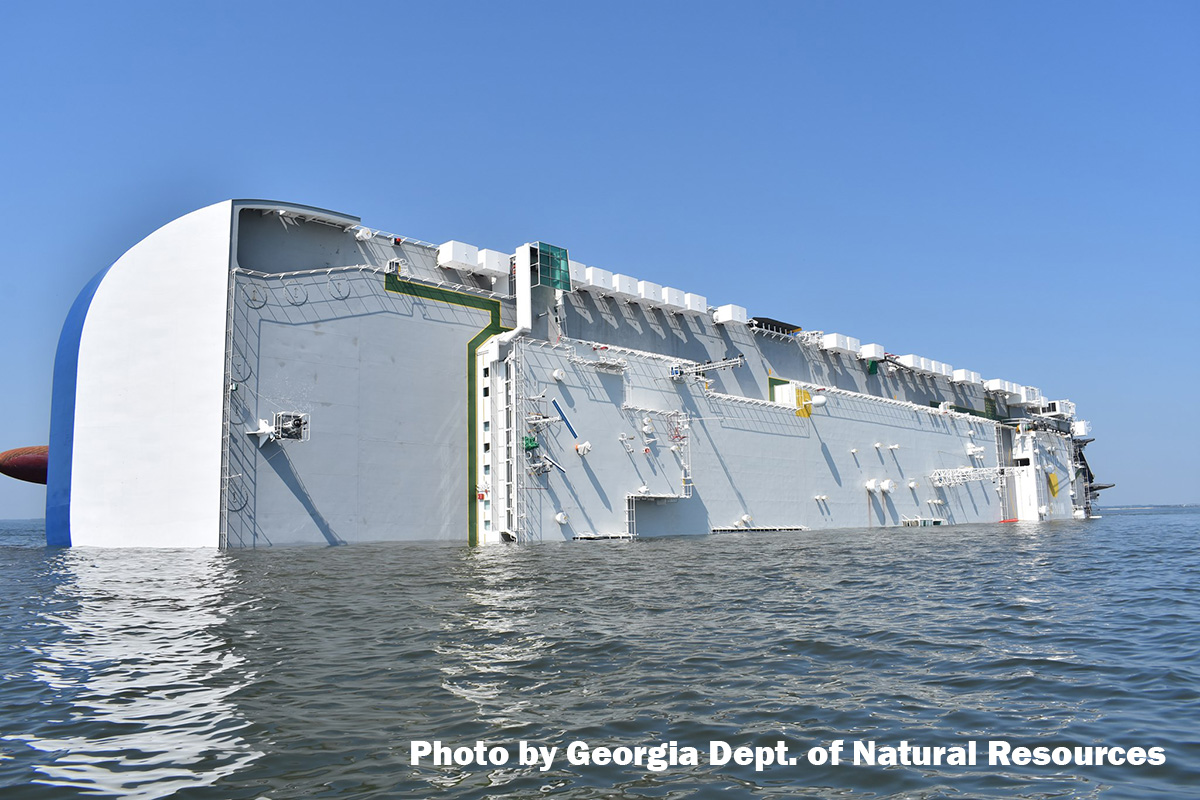
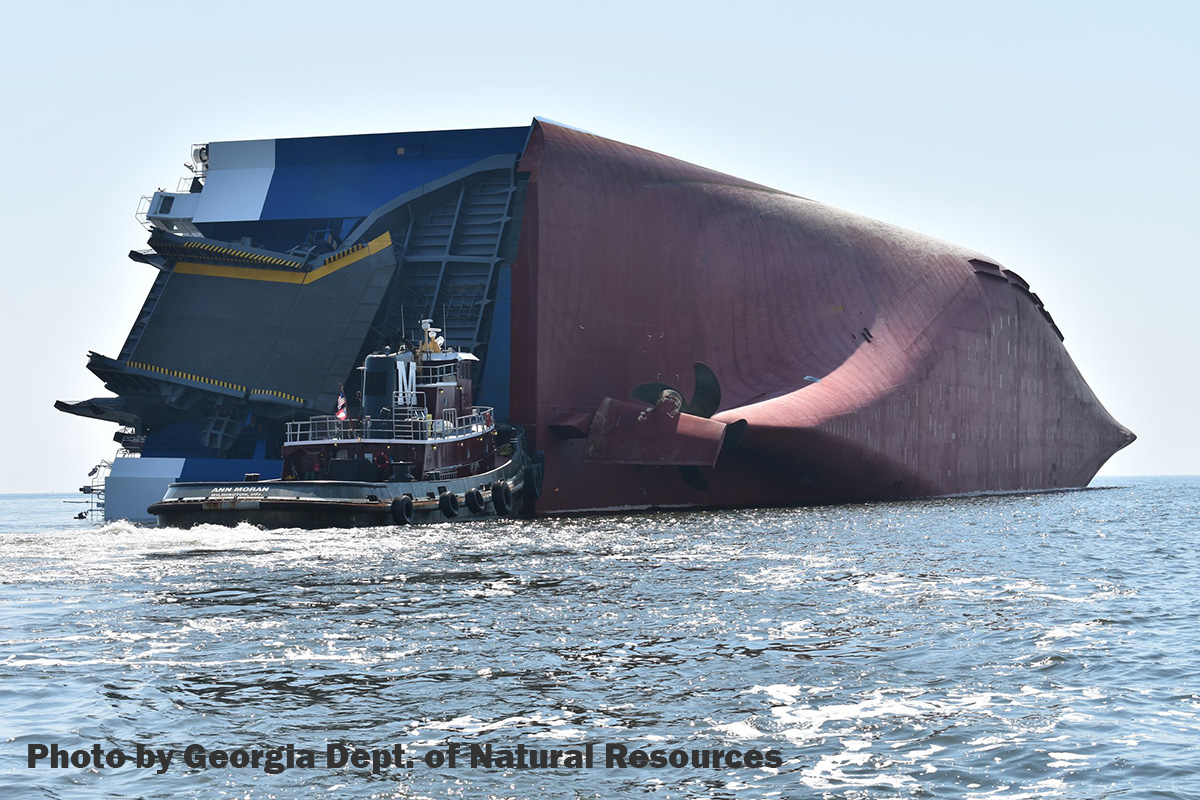
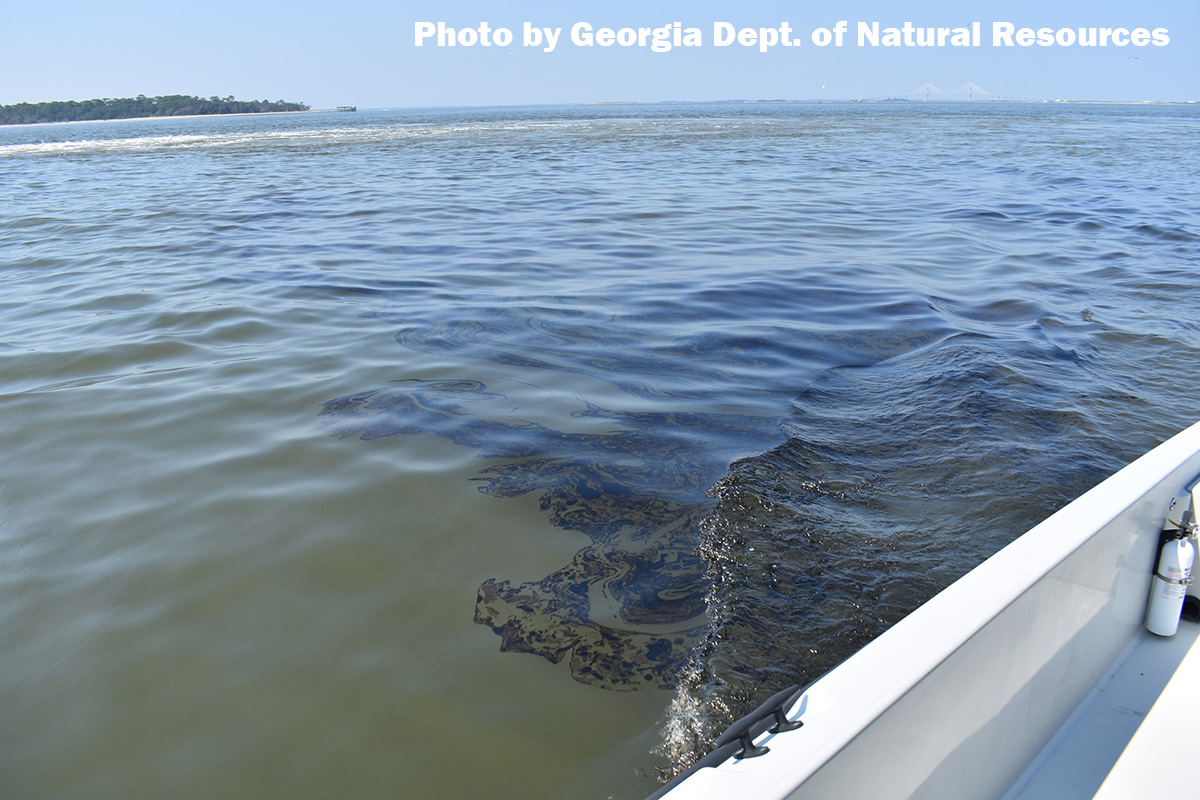
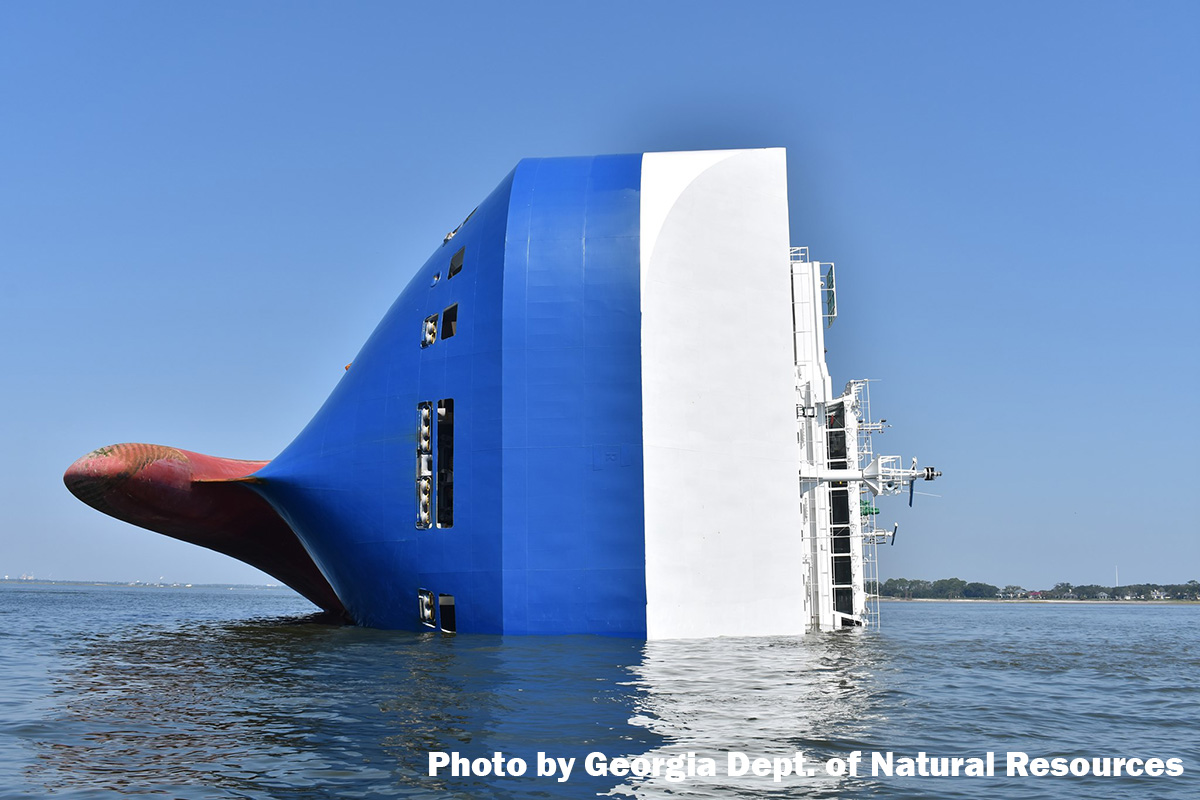
Swimming Advisory Issued for St. Simons and Jekyll Island Beaches After Cargo Ship Capsizes in St. Simons Sound

[JPG, 329.53 KB]Beach goers are advised not to swim or wade in the ocean on St. Simons Island and Jekyll Island until more is known about the environmental impact of a cargo ship capsizing in the St. Simons Sound.

A commercial freight vessel carrying 4,200 vehicles capsized early Sunday morning, and as of Sunday afternoon the U.S. Coast Guard Marine Safety Unit out of Savannah was working to rescue four crew members.

The Coastal Resources Division of the Department of Natural Resources (DNR) will conduct water quality sampling to ensure the safety of shellfish harvesting beds and swimming beaches. The Coastal Health District is issuing a precautionary swimming advisory until that testing can be done.

The Georgia Environmental Protection Division, a branch of DNR, has also been notified of the capsizing and is monitoring the situation.

Food Safety After a Power Outage

If your home lost power during recent storms, you may be concerned about the food in your refrigerator – and with good reason. Without electricity, perishable food in refrigerators and freezers may spoil, and eating spoiled food could make you sick.

When In Doubt, Throw It Out

graphic of an open refrigeratorOur post-storm safety mantra for refrigerated/frozen food is: when in doubt, throw it out. But you can also follow these guidelines from the Centers for Disease Control & Prevention (CDC) to determine if your food is safe to eat.

  • Throw out perishable food (such as meat, fish, eggs, milk, and leftovers) in your refrigerator when the power has been off for 4 hours or more.

  • Thawed frozen food that still contains ice crystals can be refrozen or cooked. If not, throw it away.

Always remember: while the power is out, keep the refrigerator and freezer doors closed as much as possible. This will help prevent cold air from escaping.


This video has additional information and advice from the US Department of Agriculture:

All County Health Departments Resume Normal Operations Monday, Sept. 9

On Monday, September 9th, all health departments in all 8 counties of the Coastal Health District will be back to normal operational hours.

District and county offices and clinics were closed for several days because of Hurricane Dorian. As the storm approached the Georgia coast, all county operations were suspended because of mandatory evacuations and concerns about severe weather. After the storm, some counties remained closed as employees assisted with reentry for evacuees.

But beginning at 8 a.m. on September 9th, all county health departments, environmental health offices, CARE Centers, and district offices will be back open with normal hours.

We apologize for any inconvenience caused by the closures, and we thank you for your understanding.

West Nile Virus Detected in Mosquitoes in Glynn County

A mosquito sample collected by Mosquito Control Services in the Brookman area of Glynn County has tested positive for West Nile virus (WNV). Mosquito Control routinely collects and samples mosquitoes in several areas of Glynn County, and this is the first sample with a positive test result this year. Mosquito Control Services will be spraying the area during the next several nights, as well as implementing increased surveillance and larvicide activities.

No human cases of WNV have been confirmed this year in any Coastal Health District counties, including Glynn.

WNV is transmitted to humans by the bite of infected mosquitoes and can cause mild to serious illness. “Most people who become infected won’t even show symptoms, but about 1 in 5 may develop a fever, headache, body aches, joint pains, vomiting, diarrhea, or rash,” said Dr. Lawton Davis, Health Director of the Coastal Health District. “A small number of people may become seriously ill and could die from West Nile virus.”

The Coastal Health District is encouraging all residents to take extra precautions now that WNV is actively circulating in the local mosquito population. “There are simple things we can all do to protect ourselves from mosquito bites and discourage mosquito breeding around our homes and yards,” said Dr. Davis.

One of the most effective ways to keep mosquitoes from your yard is by eliminating standing water, which mosquitoes need for breeding. Residents are urged to “Tip ‘n Toss.” After every rainfall, tip out water in flowerpots, planters, children’s toys, wading pools, buckets, and anything else that may be holding water. If it holds water and you don’t need it (old tires, bottles, cans), toss it out. It’s also a good idea to change water frequently in outdoor pet dishes, change bird bath water at least twice a week, and avoid using saucers under outdoor potted plants.

For containers without lids or that are too big to Tip ‘n Toss (garden pools, etc.), use larvicides such as Mosquito Dunks© or Mosquito Torpedoes© and follow the label instructions. These larvicides will not hurt birds or animals. In addition, clean out gutters, remove piles of leaves, and keep vegetation cut low to prevent landing sites for adult mosquitoes.

The Coastal Health District encourages everyone to follow the 5 Ds of mosquito bite prevention:

Dusk/Dawn

Mosquitoes are most active at dusk and dawn. If you can, avoid going outside at dusk and dawn to reduce your chance of being bitten.


Dress

Wear loose-fitting, long sleeved shirts and pants to reduce the amount of exposed skin. If the mosquitoes can’t get to your skin, they can’t bite you.


DEET

Any skin that is exposed should be covered with an insect repellent containing DEET, which is the most effective repellent against mosquito bites. Be sure to follow the instructions on the label regarding how to apply and how often to reapply.


Drain

Mosquitoes need standing water for breeding, so be sure to empty any containers holding stagnant water, such as buckets, barrels, flowerpots, and tarps. Be especially mindful after a rain, and toss any standing water to discourage mosquito breeding around your home.


Doors

Make sure doors and windows are in good repair and fit tightly. If you have screens on your windows and doors, be sure to fix any rips or tears so mosquitoes can’t get through the screens and into your home.

Beach Advisory Lifted for Tybee Middle Beach on Tybee Island

UPDATE:

On August 22, 2019, the Chatham County Health Department lifted the advisory for Tybee Middle Beach at Center Terrace, which stretches from Lovell Street to 11th Street on Tybee Island.

The advisory was issued on August 20, 2019 after routine water quality tests showed a high level of enterococci bacteria which increase the risk of gastrointestinal illness in swimmers.

Subsequent water samples showed the bacteria level had dropped below Environmental Protection Agency’s recommended limits. Therefore, the advisory was lifted.


August 20, 2019

The Chatham County Health Department has issued a beach water quality advisory for Tybee Middle Beach at Center Terrace, which stretches from Lovell Street to 11th Street on Tybee Island.

To see an interactive map of this and all the testing locations, go to GaHealthyBeaches.org.

graphic showing the beach water advisory signsThe advisory is only for the area specified above and does not impact any other beaches on the island. There is no way of knowing if going into water that is under advisory will result in illness; however, this beach water advisory is to alert the public of a possible risk of illness associated with water contact. An area under advisory does not mean the beach is closed.

Water samples are collected weekly on Tybee Island and are tested for enterococcus (pronounced: en·ter·o·coc·cus) bacteria which is found in warm blooded animals including humans but also birds, raccoons, deer, dolphins and other wildlife. It is difficult to determine exactly where the bacteria come from, but some sources could include animal waste, storm water runoff, or boating waste. When a beach is under advisory, it means that the level of bacteria found in the water is above the Environmental Protection Agency’s recommended standards.

The Chatham County Health Department recommends you do not swim or wade in the water in the area under advisory. Fish and other seafood caught from the advisory area should be thoroughly washed with fresh water and thoroughly cooked before eating, as should fish or seafood caught from any waters.

The area will be retested and the advisory will be lifted when tests show the bacteria level meets the Environmental Protection Agency’s recommended standards.


Frequently Asked Questions about Beach Water Advisories

Why is the water tested and what is it tested for?
The water is tested as part of the Environmental Protection Agency’s beach monitoring program which includes all Georgia beaches. Water samples are taken all along the island and tested for enterococcus (pronounced: en•ter•o•coc•cus) bacteria which is found in warm blooded animals including humans but also birds, raccoons, deer, dolphins and other wildlife.

Do you know where the bacteria come from?
It is difficult to determine exactly where the bacteria come from but some sources could include animal waste, storm water runoff, or boating waste.

What does it mean when a beach is under advisory?
It means that the level of bacteria found in the water is above the Environmental Protection Agency’s recommended standards. When the level of bacteria is higher than it should be there is increased risk of illness to swimmers so the public is advised not to swim or wade in the water in that particular area.

Will I get sick if I go into water that is under advisory?
There is no way to say for sure whether or not you will get sick if you go into water that is under advisory but you will be at an increased risk of illness. Risk of illness comes from contacting beach water in several ways including ingesting water while swimming, getting water in the nose, eyes, and ears or getting water in an open wound. Some examples of possible illness include possible stomach upset, ear infection, sore throat, or wound infection.

What do I do if I have been swimming in water that was under advisory but I didn’t realize it?
There is no way to say for sure whether or not you will get sick if you were swimming or wading in water that was under advisory. The best thing to do is to be aware of any changes in your health. If you start to experience stomach upset, ear infection, sore throat, or wound infection, after you have been in contact with water that was under advisory, contact a healthcare provider.

Is the beach closed?
No, the beach is not closed. An advisory simply means that increased levels of bacteria were found in the water, not on the beach, which is why public health suggests no swimming or wading in the water (risk of illness comes from contact with the water).

Does the advisory cover the entire island?
No. An advisory only covers a certain area. Even if part of the beach is under advisory there are plenty of other beach access points to areas that aren’t under advisory.

How do you know the bacteria are only in one certain area of the water?
Beaches have been divided up into zones. Water samples are taken from the center of each zone and if bacteria levels are found to be higher in a certain zone then an advisory is issued for that area. Because it’s not possible to determine exactly where the bacteria levels switch from “okay” to “elevated,” the advisory is issued for a fairly large area. If water samples from more than one zone indicate higher levels of bacteria then multiple advisories will be issued but again, only for the areas where bacteria is higher.

How long do areas stay under advisory?
When an advisory is issued, another sample of the water in the area under advisory is taken within a few days and retested. An area will stay under advisory until the test shows that bacteria in the water have decreased to an acceptable level as determined by the Environmental Protection Agency.

How often is beach water tested?
Water at the beaches on Jekyll, St. Simons, and Tybee Islands is tested once a week, year-round. Beaches that are under permanent advisory are tested once a quarter (four times a year).

What does it mean if a beach is under a permanent advisory?
A permanent advisory means that there are continually elevated bacteria levels indicating a potential human health risk and therefore swimming or wading is advised against.

Can I eat fish I’ve caught from a beach that’s under advisory?
Yes, fish and other seafood caught in area(s) should be thoroughly washed with fresh water and thoroughly cooked before eating as should fish or seafood caught from any waters.

For more information, visit our beach water testing page.

West Nile Virus Activity Continues to Surge in Local Mosquito Population

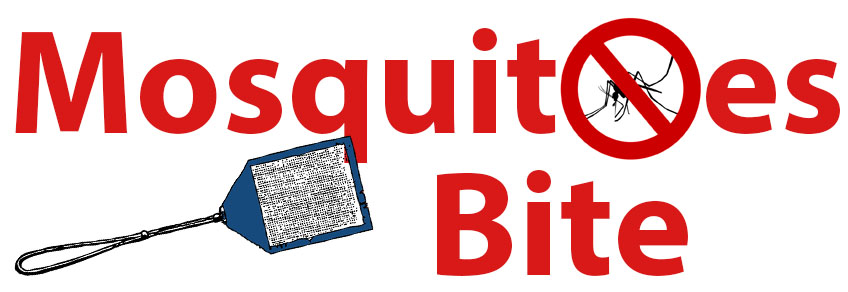
graphic of fly swatter and mosquito

Heading outside? Don’t forget the insect repellent.

2019 has been a very active year for the spread of West Nile Virus among mosquitoes in the Savannah area, and the season isn’t over yet. Chatham County Mosquito Control tests mosquitoes throughout the county for a variety of diseases like West Nile Virus. There have already been more positive tests for WNV in mosquitoes this year than in all of 2018, and we still have many weeks to go.

There have been no reported human cases of WNV in Chatham County so far this year, but according to Mosquito Control, 2019 is now the second most active year for WNV in Chatham County, with positive mosquito samples from June and July surpassing all of 2018.

WNV is primarily found in birds but can be transmitted to humans when a mosquito feeds on an infected bird, and then feeds on a person. Fortunately, most people who get WNV won’t even show symptoms. About 1 in 5 who get the virus will have mild illness, with symptoms such as a fever, headache, body aches, joint pains, vomiting, diarrhea, or rash.

But for a small number of people, the virus can be very serious, causing inflammation of the brain and lining of the spinal cord. Two people died from WNV in Georgia last year, and 167 people died from WNV in the US in 2018.

There is no vaccine for WNV, so the best protection is to prevent mosquito bites.

The Coastal Health District encourages everyone to follow the 5 Ds of mosquito bite prevention:

Dusk/Dawn

Mosquitoes are most active at dusk and dawn. If you can, avoid going outside at dusk and dawn to reduce your chance of being bitten.


Dress

Wear loose-fitting, long sleeved shirts and pants to reduce the amount of exposed skin. If the mosquitoes can’t get to your skin, they can’t bite you.


DEET

Any skin that is exposed should be covered with an insect repellent containing DEET, which is the most effective repellent against mosquito bites. Be sure to follow the instructions on the label regarding how to apply and how often to reapply.


Drain

Mosquitoes need standing water for breeding, so be sure to empty any containers holding stagnant water, such as buckets, barrels, flowerpots, and tarps. Be especially mindful after a rain, and toss any standing water to discourage mosquito breeding around your home.


Doors

Make sure doors and windows are in good repair and fit tightly. If you have screens on your windows and doors, be sure to fix any rips or tears so mosquitoes can’t get through the screens and into your home.


County Mosquito Control is actively treating all areas of Chatham County for mosquitoes. Residents should expect to see Mosquito Control’s low flying, yellow helicopters on a regular basis throughout the county.

Beach Advisory Lifted for East Beach at Old Coast Guard Station on St. Simons Island

UPDATE:

On August 9, 2019, the Glynn County Health Department lifted the advisory for the East Beach at the Old Coast Guard Station on St. Simons Island, which is from 10th Street to Driftwood Drive.

The advisory was issued on August 8, 2019 after routine water quality tests showed a high level of enterococci bacteria which increase the risk of gastrointestinal illness in swimmers.

Subsequent water samples showed the bacteria level had dropped below Environmental Protection Agency’s recommended limits. Therefore, the advisory was lifted.


August 8, 2019

The Glynn County Health Department has issued a beach water quality advisory for East Beach at the Old Coast Guard Station, which is from 10th Street to Driftwood Drive on St. Simons Island.

To see an interactive map of this and all the testing locations, go to GaHealthyBeaches.org.

graphic showing the beach water advisory signs [JPG, 2.57 MB]The advisory is only for the area specified above and does not impact any other beaches on the island. There is no way of knowing if going into water that is under advisory will result in illness; however, this beach water advisory is to alert the public of a possible risk of illness associated with water contact. An area under advisory does not mean the beach is closed.

Water samples are tested only for enterococcus (pronounced: en·ter·o·coc·cus) bacteria which is found in warm blooded animals including humans but also birds, raccoons, deer, dolphins and other wildlife. It is difficult to determine exactly where the bacteria come from, but some sources could include animal waste, storm water runoff, or boating waste. When a beach is under advisory, it means that the level of bacteria found in the water is above the Environmental Protection Agency’s recommended standards.

The Glynn County Health Department recommends you do not swim or wade in the water in the area under advisory. Fish and other seafood caught from these areas should be thoroughly washed with fresh water and thoroughly cooked before eating, as should fish or seafood caught from any waters.

The area will be retested and the advisory will be lifted when tests show the bacteria level meets the Environmental Protection Agency’s recommended standards.

Frequently Asked Questions about Beach Water Advisories
Why is the water tested and what is it tested for?
The water is tested as part of the Environmental Protection Agency’s beach monitoring program which includes all Georgia beaches. Water samples are taken all along the island and tested for enterococcus (pronounced: en•ter•o•coc•cus) bacteria which is found in warm blooded animals including humans but also birds, raccoons, deer, dolphins and other wildlife.

Do you know where the bacteria come from?
It is difficult to determine exactly where the bacteria come from but some sources could include animal waste, storm water runoff, or boating waste.

What does it mean when a beach is under advisory?
It means that the level of bacteria found in the water is above the Environmental Protection Agency’s recommended standards. When the level of bacteria is higher than it should be there is increased risk of illness to swimmers so the public is advised not to swim or wade in the water in that particular area.

Will I get sick if I go into water that is under advisory?
There is no way to say for sure whether or not you will get sick if you go into water that is under advisory but you will be at an increased risk of illness. Risk of illness comes from contacting beach water in several ways including ingesting water while swimming, getting water in the nose, eyes, and ears or getting water in an open wound. Some examples of possible illness include possible stomach upset, ear infection, sore throat, or wound infection.

What do I do if I have been swimming in water that was under advisory but I didn’t realize it?
There is no way to say for sure whether or not you will get sick if you were swimming or wading in water that was under advisory. The best thing to do is to be aware of any changes in your health. If you start to experience stomach upset, ear infection, sore throat, or wound infection, after you have been in contact with water that was under advisory, contact a healthcare provider.

Is the beach closed?
No, the beach is not closed. An advisory simply means that increased levels of bacteria were found in the water, not on the beach, which is why public health suggests no swimming or wading in the water (risk of illness comes from contact with the water).

Does the advisory cover the entire island?
No. An advisory only covers a certain area. Even if part of the beach is under advisory there are plenty of other beach access points to areas that aren’t under advisory.

How do you know the bacteria are only in one certain area of the water?
Beaches have been divided up into zones. Water samples are taken from the center of each zone and if bacteria levels are found to be higher in a certain zone then an advisory is issued for that area. Because it’s not possible to determine exactly where the bacteria levels switch from “okay” to “elevated,” the advisory is issued for a fairly large area. If water samples from more than one zone indicate higher levels of bacteria then multiple advisories will be issued but again, only for the areas where bacteria is higher.

How long do areas stay under advisory?
When an advisory is issued, another sample of the water in the area under advisory is taken within a few days and retested. An area will stay under advisory until the test shows that bacteria in the water have decreased to an acceptable level as determined by the Environmental Protection Agency.

How often is beach water tested?
Water at the beaches on Jekyll, St. Simons, and Tybee Islands is tested once a week, year-round. Beaches that are under permanent advisory are tested once a quarter (four times a year).

What does it mean if a beach is under a permanent advisory?
A permanent advisory means that there are continually elevated bacteria levels indicating a potential human health risk and therefore swimming or wading is advised against.

Can I eat fish I’ve caught from a beach that’s under advisory?
Yes, fish and other seafood caught in area(s) should be thoroughly washed with fresh water and thoroughly cooked before eating as should fish or seafood caught from any waters.

For more information, visit our beach water testing page.

Protect Your Family’s Future by Getting Vaccinated this August

August is National Immunization Awareness Month which serves as a reminder that people of all ages require timely vaccinations to protect their health.

Vaccines protect families, teens, and children by preventing disease. Not only do vaccinations help avoid expensive therapies and hospitalization needed to treat infectious diseases like influenza and pneumococcal disease, but they also reduce absences both at school and at work and decrease the spread of illness in the home, workplace and community. Adults should check with their healthcare provider for their current immunization recommendations, as well as parents to check for their children.

[JPG, 11.47 MB]Safe and effective vaccines are available to protect adults and children alike against potentially life-threatening diseases such as tetanus, diphtheria, pertussis, meningococcal disease, hepatitis A, hepatitis B, shingles, measles, mumps, rubella, and varicella (chickenpox).

School Vaccination Requirements

Children born on or after January 1, 2002 who are attending seventh grade and new entrants into Georgia schools in grades 8 through 12 must have received one dose of Tdap vaccine and one dose of meningococcal vaccine. (“New entrant” means any child entering any school in Georgia for the first time or entering after having been absent from a Georgia school for more than 12 months or one school year). The HPV vaccine is also recommended for both girls and boys ages 11–12 to protect against cancers and other diseases caused by human papillomavirus.

Before starting the 2020-2021 school year, all students entering or transferring into 11th grade will need proof of a meningococcal booster shot (MCV4), unless their first dose was received on or after their 16th birthday. Meningococcal disease is a serious bacterial illness that affects the brain and the spinal cord. Meningitis can cause shock, coma and death within hours of the first symptoms. To help protect your children and others from meningitis, Georgia law requires students be vaccinated against this disease, unless the child has an exemption.

Some schools, colleges, and universities have policies requiring vaccination against meningococcal disease as a condition of enrollment. Students aged 21 years or younger should have documentation of receipt of a dose of meningococcal conjugate vaccine not more than five years before enrollment. If the primary dose was administered before the 16th birthday, a booster dose should be administered before enrollment in college

Safe and effective vaccines are available to protect adults and children alike against potentially life-threatening diseases such as tetanus, diphtheria, pertussis, meningococcal disease, hepatitis A, hepatitis B, shingles, measles, mumps, rubella and varicella (chickenpox).

Every adult in Georgia (19 years of age and older) should follow the recommended immunization schedule by age and medical condition. Vaccinations protect our families and communities; especially infants and those individuals who are unable to be immunized or who have weakened immune systems. This link is to the recommended adult immunization schedule:

http://www.cdc.gov/vaccines/schedules/downloads/adult/adult-schedule-easy-read.pdf [PDF]

World Breastfeeding Week Event Scheduled for August 3

The Coastal Health District Women, Infants, and Children (WIC) nutrition program will host a World Breastfeeding Week celebration from 9:30 to 11:30 a.m. on Saturday, August 3, at the Forsyth Park Farmers Market in Savannah. The event is free and family-friendly and will include a walk for breastfeeding awareness, photo booth, the 10th annual Big Latch On, and information on the benefits of breastfeeding.

Free t-shirts (while supplies last) will be given to all participants. To receive a free t-shirt, you must register.

World Breastfeeding Week is celebrated during the first week in August every year in more than 170 countries to encourage breastfeeding and improve the health of babies around the world.  This year’s theme is “Empower Parents, Enable Breastfeeding.” According to the World Alliance for Breastfeeding Action (WABA) , the theme was chosen to be inclusive of all types of parents in today’s world. Focusing on supporting both parents to be empowered is vital in order to realize their breastfeeding goals.

The Coastal Health District is committed to helping mothers breastfeed their babies because breastfeeding is so important for good health. Breast milk is easy to digest, with just the right amount of fat, sugar, water, and protein for a baby’s growth and development. Breastfed babies usually get sick less often, because breast milk contains antibodies that can protect infants from bacterial and viral infections.

For more information on lactation services offered through the Coastal Health District, visit coastalhealthdistrict.org/breastfeeding


Beach Advisories Lifted for Jekyll and St. Simons Islands

UPDATE:

On July 25, 2019, the Glynn County Health Department lifted the advisories for the 5th Street Crossover Beach and South Beach at the Lighthouse on St. Simons Island, and Driftwood Beach on Jekyll Island.

The advisories were issued on July 23, 2019 after routine water quality tests showed a high level of enterococci bacteria which increase the risk of gastrointestinal illness in swimmers.

Subsequent water samples showed the bacteria level had dropped below Environmental Protection Agency’s recommended limits. Therefore, the advisories were lifted.


July 23, 2019

The Glynn County Health Department has issued beach water advisories for 2 locations on St. Simons Island and 1 location on Jekyll Island.

On St. Simons Island, advisories have been issued for the 5th Street Crossover Beach and South Beach at the Lighthouse. These 2 beach areas stretch from Cedar Street to the Pier.

On Jekyll Island, the advisory is for Driftwood Beach, from beach kilometer marker 1 to Tallu Fish Lane.

To see an interactive map of these and all the testing locations, go to GaHealthyBeaches.org.
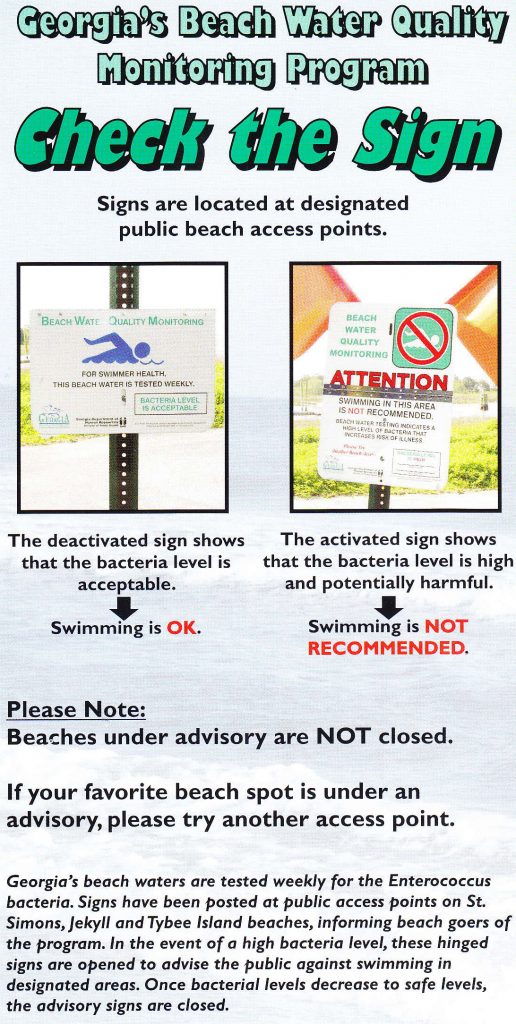
[JPG, 2.57 MB]These advisories are only for the areas specified and do not impact any other beach locations on these islands. There is no way of knowing if going into water that is under advisory will result in illness; however, the beach water advisories are meant to alert the public of a possible risk of illness associated with water contact. An area under advisory does not mean the beach is closed.

Water samples are tested only for enterococcus (pronounced: en·ter·o·coc·cus) bacteria which is found in warm blooded animals including humans but also birds, raccoons, deer, dolphins and other wildlife. It is difficult to determine exactly where the bacteria come from, but some sources could include animal waste, storm water runoff, or boating waste. When a beach is under advisory, it means that the level of bacteria found in the water is above the Environmental Protection Agency’s recommended standards.

The Glynn County Health Department recommends you do not swim or wade in the water in the areas under advisory. Fish and other seafood caught from these areas should be thoroughly washed with fresh water and thoroughly cooked before eating as should fish or seafood caught from any waters. The areas will be retested and the advisories will be lifted when tests show the bacteria levels meet the Environmental Protection Agency’s recommended standards.

For more information, visit our beach water testing page.

Frequently Asked Questions about Beach Water Advisories
Why is the water tested and what is it tested for?
The water is tested as part of the Environmental Protection Agency’s beach monitoring program which includes all Georgia beaches. Water samples are taken all along the island and tested for enterococcus (pronounced: en•ter•o•coc•cus) bacteria which is found in warm blooded animals including humans but also birds, raccoons, deer, dolphins and other wildlife.

Do you know where the bacteria come from?
It is difficult to determine exactly where the bacteria come from but some sources could include animal waste, storm water runoff, or boating waste.

What does it mean when a beach is under advisory?
It means that the level of bacteria found in the water is above the Environmental Protection Agency’s recommended standards. When the level of bacteria is higher than it should be there is increased risk of illness to swimmers so the public is advised not to swim or wade in the water in that particular area.

Will I get sick if I go into water that is under advisory?
There is no way to say for sure whether or not you will get sick if you go into water that is under advisory but you will be at an increased risk of illness. Risk of illness comes from contacting beach water in several ways including ingesting water while swimming, getting water in the nose, eyes, and ears or getting water in an open wound. Some examples of possible illness include possible stomach upset, ear infection, sore throat, or wound infection.

What do I do if I have been swimming in water that was under advisory but I didn’t realize it?
There is no way to say for sure whether or not you will get sick if you were swimming or wading in water that was under advisory. The best thing to do is to be aware of any changes in your health. If you start to experience stomach upset, ear infection, sore throat, or wound infection, after you have been in contact with water that was under advisory, contact a healthcare provider.

Is the beach closed?
No, the beach is not closed. An advisory simply means that increased levels of bacteria were found in the water, not on the beach, which is why public health suggests no swimming or wading in the water (risk of illness comes from contact with the water).

Does the advisory cover the entire island?
No. An advisory only covers a certain area. Even if part of the beach is under advisory there are plenty of other beach access points to areas that aren’t under advisory.

How do you know the bacteria are only in one certain area of the water?
Beaches have been divided up into zones. Water samples are taken from the center of each zone and if bacteria levels are found to be higher in a certain zone then an advisory is issued for that area. Because it’s not possible to determine exactly where the bacteria levels switch from “okay” to “elevated,” the advisory is issued for a fairly large area. If water samples from more than one zone indicate higher levels of bacteria then multiple advisories will be issued but again, only for the areas where bacteria is higher.

How long do areas stay under advisory?
When an advisory is issued, another sample of the water in the area under advisory is taken within a few days and retested. An area will stay under advisory until the test shows that bacteria in the water have decreased to an acceptable level as determined by the Environmental Protection Agency.

How often is beach water tested?
Water at the beaches on Jekyll, St. Simons, and Tybee Islands is tested once a week, year-round. Beaches that are under permanent advisory are tested once a quarter (four times a year).

What does it mean if a beach is under a permanent advisory?
A permanent advisory means that there are continually elevated bacteria levels indicating a potential human health risk and therefore swimming or wading is advised against.

Can I eat fish I’ve caught from a beach that’s under advisory?
Yes, fish and other seafood caught in area(s) should be thoroughly washed with fresh water and thoroughly cooked before eating as should fish or seafood caught from any waters.

For more information, visit our beach water testing page.