The Coastal Health District of Georgia serves the counties of Bryan, Camden, Chatham, Effingham, Glynn, Liberty, Long & McIntosh

View Upcoming Events

News & Events


Mosquito-borne Virus Activity Detected in Chatham County; Officials Advise Taking Protective Measures

Chatham County Mosquito Control has confirmed that samplings of mosquitoes collected in western Chatham County (Pooler area) have tested positive for West Nile virus (WNV). This indicates that WNV is actively circulating in local mosquito populations this year. Mosquito control personnel are surveying all areas of Chatham County and scheduling control operations as required. No human cases of WNV have been confirmed in any Coastal Health District counties, including Chatham.

WNV is transmitted by the bite of infected mosquitoes and can cause mild to serious illness. Mosquitoes that carry the West Nile Virus are more likely to bite during the evening, night, and early morning. The Chatham County Health Department and Chatham County Mosquito Control urge residents to take appropriate precautions now and throughout the summer to minimize mosquitoes around their property.

One of the most effective ways of preventing mosquito breeding and thus the spread of mosquito-borne viruses is controlling the mosquito population by getting rid of standing water around the home and in the yard. Residents are urged to clean up around their homes, yards, and communities and get rid of unnecessary items that can hold water and turn into mosquito breeding grounds. One way to do this is “Tip ‘n Toss.” After every rainfall, tip out water in flowerpots, planters, children’s toys, wading pools, buckets, and anything else that may be holding water. If it holds water and you don’t need it (old tires, bottles, cans), toss it out. It’s also a good idea to change water frequently in outdoor pet dishes, change bird bath water at least twice a week, and avoid using saucers under outdoor potted plants.

For containers without lids or that are too big to Tip ‘n Toss (garden pools, etc.), use larvicides such as Mosquito Dunks© or Mosquito Torpedoes© and follow the label instructions. These larvicides will not hurt birds or animals. In addition, clean out gutters, remove piles of leaves, and keep vegetation cut low to prevent landing sites for adult mosquitoes.

Homeowners associations and neighborhoods, along with city and county governments, are encouraged to sponsor community cleanup days.

Residents are always encouraged to follow the 5Ds of mosquito bite prevention:

  • Dusk/Dawn – Avoid dusk and dawn activities during the summer when mosquitoes are most active.
  • Dress – Wear loose-fitting, long sleeved shirts and pants to reduce the amount of exposed skin.
  • DEET – Cover exposed skin with an insect repellent containing the DEET, which is the most effective repellent against mosquito bites.
  • Drain – Empty any containers holding standing water – buckets, barrels, flower pots, tarps – because they are breeding grounds for virus-carrying mosquitoes.
  • Doors – Make sure doors and windows are in good repair and fit tightly, and fix torn or damaged screens to keep mosquitoes out of the house.


Chatham County Mosquito Control is actively treating all areas of Chatham County for mosquitoes. Residents should expect to see Mosquito Control’s low flying, yellow helicopters on a regular basis throughout the county.
 

Rabies Precautions Issued Following Raccoon Attack on St. Simons

A raccoon scratched and bit a resident while she was standing in her driveway in the Island Club area of St. Simons Island on Sunday, July 8. Although the raccoon has not been caught, the actions of the animal indicate that it likely has rabies. The resident is seeking follow-up care from her healthcare provider.

Several species of wild animals that are native to coastal Georgia – including raccoons, foxes, and bats – can carry rabies. Rabies is a potentially deadly virus that is primarily spread by infected animals. The Glynn County Environmental Health office offers these tips to protect you and your family from rabies:

  • Avoid contact with animals you don’t know.
  • Make sure your pets receive the proper immunizations. Dogs and cats should get rabies vaccines by four months of age, followed by a booster shot one year later, and another one every year as prescribed by your veterinarian.
  • Do not handle, feed, or unintentionally attract wild animals with open garbage cans or by leaving pet food out at night.
  • Never adopt wild animals or bring them into your home. Do not try to nurse sick animals to health. Call animal control or a properly licensed animal rescue agency for assistance.
  • Teach children to never handle unfamiliar animals, wild or domestic, even if they appear friendly. “Love your own, leave other animals alone” is a good principle for children to learn.

Symptoms of rabies in animals include a change in behavior, biting, aggression, showing no fear of natural enemies (such as humans), foaming at the mouth, and paralysis. Warmer weather increases the possibility of coming across wild animals – many of which can carry rabies – so residents are encouraged to be especially vigilant during summer months.

If an animal ever bites you, seek medical care immediately and contact Glynn County Animal Control at 912-554-7500 and the Glynn County Environmental Health office at 279-2940.

###

World Breastfeeding Week Event in Savannah August 4

The Coastal Health District Women, Infants, and Children’s (WIC) nutrition program will hold a World Breastfeeding Week celebration from 8:30 a.m. to 11 a.m. on Saturday, August 4, at the Forsyth Park Farmers’ Market in Savannah. The event is free, family friendly, and will include a walk for breastfeeding awareness, prize giveaways, and information on the benefits of breastfeeding.

To register for the event and receive a t-shirt, click HERE.

World Breastfeeding Week is celebrated during the first week in August every year in more than 170 countries to encourage breastfeeding and improve the health of babies around the world.  This year’s theme is “Breastfeeding: Foundation of Life” and is focused on breastfeeding as the foundation of lifelong good health for babies and mothers. The Coastal Health District is committed to helping mothers breastfeed their babies because breastfeeding is so important for good health. Breast milk is easy to digest, with just the right amount of fat, sugar, water, and protein for a baby’s growth and development. Breastfed babies usually get sick less often, because breast milk contains antibodies that can protect infants from bacterial and viral infections.

For more information on the objectives of World Breastfeeding Week 2018, go to worldbreastfeedingweek.org.

For more information on the event, contact Monica Lightfoot at Monica.Lightfoot@dph.ga.gov.

Health Departments Modify Hours

The hours of operation at health departments in Bryan, Camden, Chatham, Effingham, Glynn, Liberty, Long, and McIntosh counties will change slightly beginning July 1 to make it more convenient for clients to come in for services. The Fort Stewart WIC clinic will also have modified hours. Click on your county for an updated hours of operation.

In Chatham and Glynn counties, the vital records offices (death and birth certificates) will follow the same hours of operation as the health departments. The environmental health offices in  Camden and McIntosh counties will also adjust hours beginning July 1. The Chatham County environmental health office will be open Monday through Friday from 8 a.m. – 5 p.m. The office will physically close at 2 p.m. on Fridays; however, clients can schedule appointments in advance to take place after 2 p.m.

Health department services include child and adult immunizations, testing and treatment for sexually transmitted diseases, family planning services, child health services, the Women, Infant, and Children’s (WIC) nutrition program, Breast and Cervical Cancer Program (BCCP) and more.

Fruit Recall

There is a recall by Caito Foods of fresh cut watermelon, honeydew melon, cantaloupe, & fresh-cut mixed fruit with the same melons because they may be contaminated with Salmonella. Georgia is one of the states where the products were distributed.

Get more information and a complete list of the recalled products here: https://bit.ly/2LGvreT

How to Avoid Uninvited Guests at Your Summer Outing

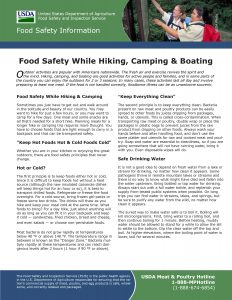
By Archie Magoulas, Technical Information Specialist, Food Safety and Inspection Service, USDA

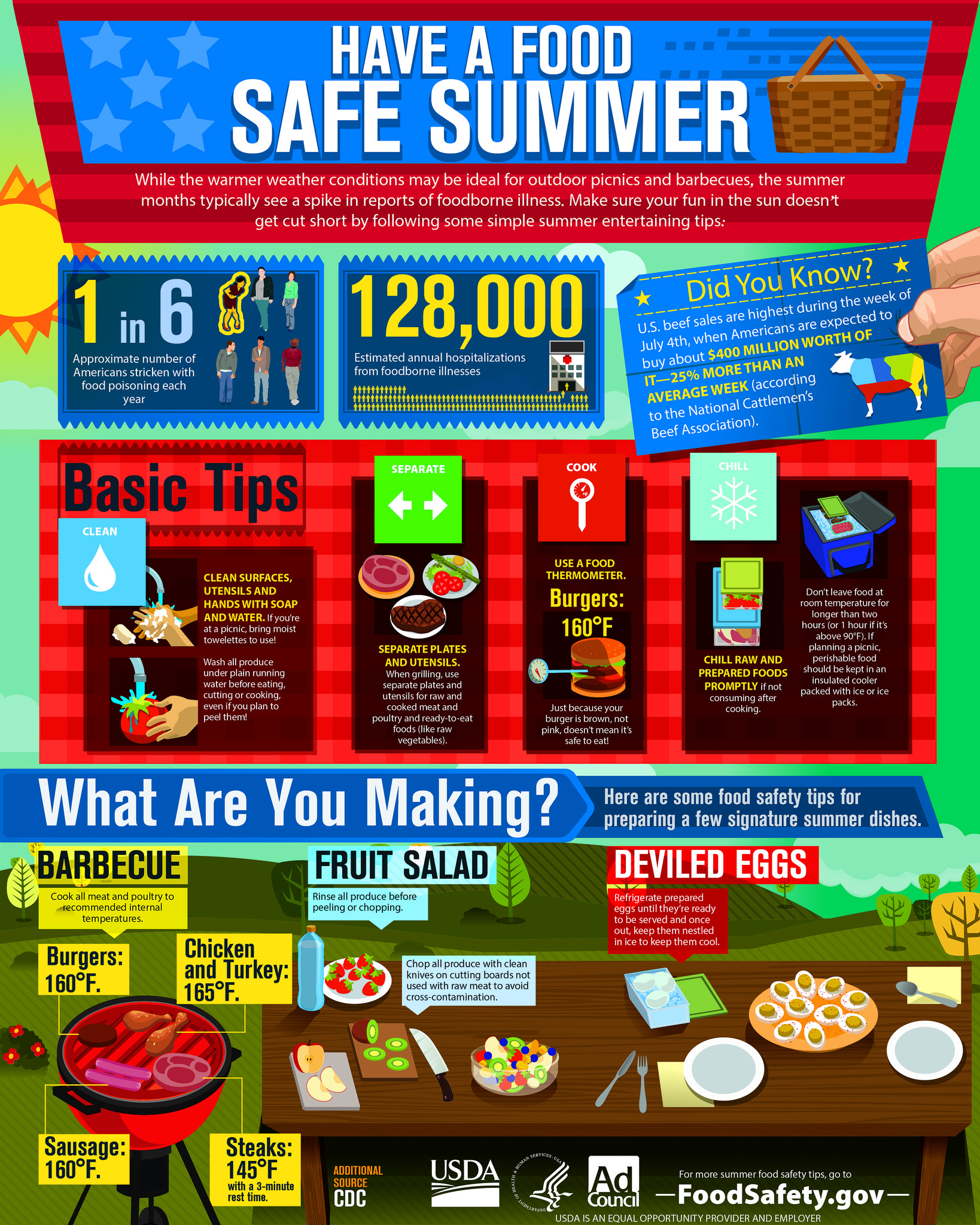
In the summertime, as the weather begins to heat up, our microscopic friends, called bacteria, begin to make uninvited appearances at our cookouts, picnics and even camping trips. Sometimes these little friends can be helpful, but other times, they just make you sick.

Bacteria will grow anywhere they have access to nutrients and water. Microorganisms that cause disease are called pathogens. When certain pathogens enter the food supply, they can cause foodborne illness.

Under the right temperatures, between 40 and 140°F, bacteria reproduce rapidly. In some cases, they can double their numbers within 20 minutes. The warm temperature, along with the moisture needed for bacteria to flourish, makes the summer weather the perfect atmosphere for bacteria.

That perfect weather, combined with an increase in outdoor activities, and food being prepared in outdoor areas that may lack the safety controls of a home kitchen, could be a recipe for disaster – leading family and friends to get sick.

So play it safe and follow the following food safety recommendations:

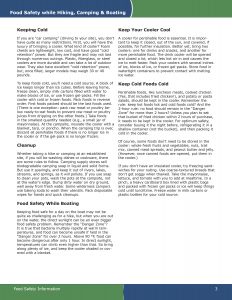
  • Never leave food out of refrigeration for more than two hours at room temperature. If the temperature is above 90°F, food should not be left out more than one hour.
  • Keep hot food hot – at or above 140°F. Place cooked food in chafing dishes, preheated steam tables, warming trays or slow cookers.
  • Keep cold food cold – at or below 40°F. Refrigerate or place food in containers on ice.
  • If you’ve prepared large amounts of food, divide it into shallow containers. For example, a big pot of baked beans will take a long time to cool, inviting bacteria to multiply, and increasing the risk of foodborne illness. Instead, divide the food into smaller containers and place in the refrigerator or freezer promptly so it will cool quickly.

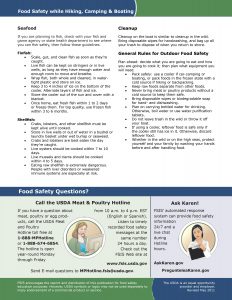
If you have a question about meat, poultry or egg products, call the USDA Meat and Poultry Hotline by calling 1-888-MPHotline (1-888-674-6854) or email or chat via in English or Spanish via Ask Karen or Pregúntele a Karen.

[JPG, 1.49 MB]

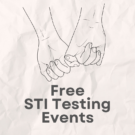
FREE HIV Testing Events June 27

The U.S. Center for Disease Control and Prevention (CDC) estimates around 1.2 million people in the United States are living with HIV, and one in eight people don’t know they have it. Nearly 45,000 people find out they have HIV every year. In Georgia, the risk of HIV diagnosis is 1 in 51. National HIV Testing Week is an opportunity to raise awareness, encourage people to get the facts, tested, get involved, and get linked to care and treatment services. The Coastal Health District is pleased to offer free HIV testing as part of this global effort.

The Coastal Health District HIV Prevention Program will offer free HIV testing on June 27 in observance of National HIV Testing Day. All testing is completely confidential and results will be available in one minute. A follow-up visit will be scheduled for anyone who tests positive and counseling will be made available to those individuals.

Testing will take place from 10 a.m. – 7 p.m. on Wednesday, June 27, at the following locations on National HIV Testing Day:

CHATHAM COUNTY:
Walgreens, 2109 E. Victory Drive, Savannah
Walgreens, 11509 Abercorn St., Savannah
Walgreens, 4210 Augusta Rd., Garden City

GLYNN COUNTY
Walgreens, 4575 Altama Ave., Brunswick

The first 25 people who come for testing at each Walgreens location will receive a gift card.

HIV testing is free at all health departments in Bryan, Camden, Chatham, Effingham, Glynn, Liberty, Long, and McIntosh counties and available Monday through Friday during regular health department hours of operation.

For more information on National HIV Testing Day events, please call Diane DeVore at (912) 644-5828 or e-mail Diane.Devore@dph.ga.gov.

Free Mammograms for Women in Chatham Co. Who Meet Eligibility Criteria

The Chatham County Health Department’s Breast and Cervical Cancer Program (BCCP) is partnering with the St. Joseph’s/Candler Mobile Mammography Program to offer free mammograms from 9 a.m. to 3 p.m. on Monday, June 25, at the Chatham County Health Department located at 1602 Drayton Street in Savannah. Women who meet certain annual income guidelines and are 40-64 years of age without insurance will be eligible to receive a screening mammogram at no cost.

Appointments are preferred but walk-ins will be accepted. To make an appointment, please call 356-2946.

Click HERE for more information on BCCP.

Free HIV Testing Events Scheduled for Chatham; Glynn

The Coastal Health District HIV Prevention Program will offer free HIV testing on June 27 in observance of National HIV Testing Day. Testing events will take place from 10 a.m. to 7 p.m. in the following locations:

CHATHAM COUNTY:
Walgreens, 2109 E. Victory Drive, Savannah
Walgreens, 11509 Abercorn St., Savannah
Walgreens, 4210 Augusta Rd., Garden City

GLYNN COUNTY
Walgreens, 4575 Altama Ave., Brunswick

All testing is completely confidential and results will be available in one minute. A follow-up visit will be scheduled for anyone who tests positive and counseling will be made available to those individuals.

The first 25 people who come for testing at each Walgreens location will receive a gift card.

The U.S. Center for Disease Control and Prevention (CDC) estimates around 1.2 million people in the United States are living with HIV, and one in eight people don’t know they have it. Nearly 45,000 people find out they have HIV every year. In Georgia, the risk of HIV diagnosis is 1 in 51. National HIV Testing Week is an opportunity to raise awareness, encourage people to get the facts, tested, get involved, and get linked to care and treatment services. The Coastal Health District is pleased to offer free HIV testing as part of this global effort. As a reminder, HIV testing is free at all health departments in Bryan, Camden, Chatham, Effingham, Glynn, Liberty, Long, and McIntosh counties and available Monday through Friday during regular health department hours of operation.

Anyone with questions about testing can call Diane DeVore at (912) 644-5828 or e-mail Diane.Devore@dph.ga.gov.

[JPG, 1.75 MB]

Feral Cat in Glynn Co. Tests Positive for Rabies

A feral cat in the Waverly Pines neighborhood in Brunswick has tested positive for rabies. At least three residents were exposed to the cat and have been advised to follow up with a healthcare professional.

Several species of wild animals that are native to coastal Georgia – including raccoons, foxes, and bats – can carry rabies. Rabies is a potentially deadly virus that is primarily spread by infected animals. The Glynn County Health Environmental Health office offers these tips to protect you and your family from rabies:

  • Avoid contact with animals you don’t know.
  • Make sure your pets receive the proper immunizations. Dogs and cats should get rabies vaccines by four months of age, followed by a booster shot one year later, and another one every year as prescribed by your veterinarian.
  • Do not handle, feed, or unintentionally attract wild animals with open garbage cans or by leaving pet food out at night.
  • Never adopt wild animals or bring them into your home. Do not try to nurse sick animals to health. Call animal control or a properly licensed animal rescue agency for assistance.
  • Teach children to never handle unfamiliar animals, wild or domestic, even if they appear friendly. “Love your own, leave other animals alone” is a good principle for children to learn.

Symptoms of rabies in animals include a change in behavior, biting, aggression, showing no fear of natural enemies (such as humans), foaming at the mouth, and paralysis.

If an animal ever bites you, seek medical care immediately and contact Glynn County Animal Control at 912-554-7500 and the Glynn County Health Department Environmental Health office at 279-2940.