The Coastal Health District of Georgia serves the counties of Bryan, Camden, Chatham, Effingham, Glynn, Liberty, Long & McIntosh

View Upcoming Events

News & Events


Chatham Co. Functional, Access, Medical Needs Registry to Close 5 p.m., Sept. 7

CHATHAM COUNTY, GA – Applications for the Chatham County Functional, Access, and Medical Needs Registry will not be taken after 5 p.m. today, Thursday, September 7. At that point in time any residents who do not have transportation should make arrangements to get to the Savannah Civic Center at 301 West Oglethorpe Avenue to evacuate with the general population should an evacuation order be issued.

We must close the Registry ahead of tropical storm force winds in order to process the number of applicants already received.

West Nile Virus Infections Increase in Georgia; Georgians Urged to Protect Themselves from Mosquito Bites

From the Georgia Department of Public Health
August 31, 2017

ATLANTA – The Georgia Department of Public Health (DPH) has confirmed nearly 20 human cases of West Nile virus so far this year, including at least three deaths. Georgians are urged to protect themselves from mosquito bites, especially when they are outside this Labor Day weekend.

“Georgians can reduce the number of mosquitoes around their homes and yards by getting rid of standing water,” said Chris Rustin, Ph.D., DPH director of Environmental Health. “Standing water is a breeding ground for mosquitoes that may be infected with West Nile virus and other mosquito-borne diseases.”

Tip ‘n Toss all containers that can collect water – flowerpots, buckets, pool covers, pet water dishes, discarded tires, and birdbaths – anything that holds water and gives mosquitoes a place to thrive. Mosquitoes that carry West Nile virus look for stagnant water to breed in, so be sure gutters and eaves are clear of leaves and debris.

The most effective way to protect against WNV infection and all mosquito-borne diseases, including Zika, is to prevent mosquito bites. Observe the “Five D’s of Prevention” during your outdoor activities this holiday weekend:

  • Dusk/Dawn – Mosquitoes carrying WNV usually bite at dusk and dawn, so avoid or limit outdoor activity at these times.
  • Dress – Wear loose-fitting, long sleeved shirts and pants to reduce the amount of exposed skin.
  • DEET – Cover exposed skin with an insect repellent containing DEET, which is the most effective repellent against mosquito bites.
  • Drain – Empty any containers holding standing water because they are excellent breeding grounds for virus-carrying mosquitoes.
  • Doors – Make sure doors and windows are in good repair and fit tightly, and fix torn or damaged screens to keep mosquitoes out of the house.

Symptoms of WNV include headache, fever, neck discomfort, muscle and joint aches, swollen lymph nodes, and a rash – that usually develop three to 15 days after being bitten by an infected mosquito. The elderly, those with compromised immune systems, or those with other underlying medical conditions are at greater risk for complications from the disease.

Anyone with questions about WNV or Zika should speak to their healthcare provider or call their local county health department, environmental health office. More information about mosquito-borne illnesses and mosquito repellents can be found by clicking mosquito-borne illness.


About the Georgia Department of Public Health

The Georgia Department of Public Health (DPH) is the lead agency in preventing disease, injury and disability; promoting health and well-being; and preparing for and responding to disasters from a health perspective. DPH’s main functions include: Health Promotion and Disease Prevention, Maternal and Child Health, Infectious Disease and Immunization, Environmental Health, Epidemiology, Emergency Preparedness and Response, Emergency Medical Services, Pharmacy, Nursing, Volunteer Health Care, the Office of Health Equity, Vital Records, and the State Public Health Laboratory. For more information visit: www.dph.georgia.gov.

Raccoon in Coffee Bluff Tests Positive for Rabies

A raccoon in the Coffee Bluff area of Savannah has tested positive for rabies after getting into an altercation with two dogs. The dogs, which are family pets, are currently in isolation at Chatham County Animal Services. The vaccine status of the dogs is unknown at this point. One of the dog owners also may have been exposed to the raccoon and has been advised to follow up with a healthcare professional.

Several species of wild animals that are native to coastal Georgia – including raccoons, foxes, and bats – can carry rabies. Rabies is a potentially deadly virus that is primarily spread by infected animals. The Chatham County Health Department Environmental Health office offers these tips to protect you and your family from rabies:

  • Avoid contact with animals you don’t know.
  • Make sure your pets receive the proper immunizations. Dogs and cats should get rabies vaccines by four months of age, followed by a booster shot one year later, and another one every year as prescribed by your veterinarian.
  • Do not handle, feed, or unintentionally attract wild animals with open garbage cans or by leaving pet food out at night.
  • Never adopt wild animals or bring them into your home. Do not try to nurse sick animals to health. Call animal control or a properly licensed animal rescue agency for assistance.
  • Teach children to never handle unfamiliar animals, wild or domestic, even if they appear friendly. “Love your own, leave other animals alone” is a good principle for children to learn.

Symptoms of rabies in animals include a change in behavior, biting, aggression, showing no fear of natural enemies (such as humans), foaming at the mouth, and paralysis.


Eastern Equine Encephalitis Detected in Bryan Co. Horse

A horse in Bryan County has tested positive for Eastern Equine Encephalitis (EEE). EEE is a mosquito-borne virus that causes swelling of the brain and is fatal in horses 70 to 90 percent of the time. EEE has also been detected in the mosquito population in western Chatham County and a horse in Effingham County tested positive for EEE earlier this month.

Horse and large animal owners are encouraged to vaccinate their animals against the virus and to clean out watering sources, such as buckets and troughs, every three to four days to prevent mosquitoes from breeding there. The primary mosquito that transmits EEE breeds in freshwater swamps. No human cases of disease have been reported in Georgia this year; however, humans are susceptible to EEE. All residents are also encouraged to use EPA-registered insect repellents containing 20%-30% DEET, Picaridin, IR3535, or Oil of Lemon Eucalyptus to protect themselves from mosquitoes to get rid of standing water around the home and in the yard where mosquitoes can breed.

We encourage residents to continue practicing Tip ‘N Toss: After every rainfall, tip out water in flowerpots, planters, children’s toys, wading pools, buckets, etc., and if it holds water and you don’t need it (old tires, bottles, cans), toss it out.

Remember in 5Ds of mosquito bite prevention can also help prevent mosquito bites and breeding:

Dusk/Dawn – Avoid dusk and dawn activities during the summer when mosquitoes are most active.
Dress – Wear loose-fitting, long sleeved shirts and pants to reduce the amount of exposed skin.
DEET – Cover exposed skin with an insect repellent containing the DEET, which is the most effective repellent against mosquito bites.
Drain – Empty any containers holding standing water – buckets, barrels, flower pots, tarps – because they are breeding grounds for virus-carrying mosquitoes.
Doors – Make sure doors and windows are in good repair and fit tightly, and fix torn or damaged screens to keep mosquitoes out of the house.

For more information on EEE, click HERE.

Take Action to Prepare!

Disasters don’t plan ahead but you can. September is National Preparedness Month and we all have a responsibility to make sure that we are ready if and when an emergency happens. How can you do your part? Have a plan for yourself and your family; look out for neighbors who may need help; encourage others to prepare; and stay aware and informed.

[JPG]

Step one: Make a Plan
Put together a plan and talk about it with your family. If you have to evacuate, where will you go? What will you take? How will you get there? Sounds simple enough but it’s a lot easier to plan ahead and try and figure it out at the last minute.

[JPG]

Step two: Build a Kit
Do you have an emergency kit? If so, when’s the last time you checked to make sure everything you need is there and up to date? An emergency kit is essential. Just look at Hurricane Matthew. A lot of us were without power for days and even weeks. Making a kit is easy and could come in very handy whether you have to evacuate or not.

And don’t forget your pets – they’re family, too!  [JPG]

[JPG]

Step three: Maintain Situational Awareness
Watch or listen to local news when you can and always pay attention to the weather. There’s a FEMA app that you can download that will allow you to receive alerts from the National Weather Service for up to five locations. Learn how to shelter in place if need be but be ready to go if you are prompted to evacuate. Check with your local emergency management agency to find out if there is an alert notification system that allows you to register in order to receive emergency alerts when something is going on in your county.

For more information on how you and your family can prepare, click HERE. And check out these Resources for Kids.


Solar Eclipse Safety Tips

On Monday, August 21, Georgia will be among 14 states to experience a total eclipse of the sun. The Georgia Department of Public Health reminds those who will watch the solar eclipse that it’s never safe to look directly at the sun, or eye damage may occur.

Viewing the solar eclipse should be done through “eclipse glasses” that meet the ISO 12312-2 international safety standard. See the American Astronomical Society (AAS) Reputable Vendors of Solar Filters & Viewers for a list of dealers of eclipse glasses.

Retinal damage to eyes may occur while attempting to stare at the sun. Solar retinopathy is a result of too much ultraviolet light flooding the retina. Never look directly at the sun without proper protection – using ISO 12312-2 lenses. If you damage your eyes trying to view the solar eclipse, please contact your healthcare provider.

NASA’s additional recommendations for safe eclipse viewing are:

  • Stand still, and put on your eclipse glasses before looking up at the eclipse. Turn away to remove your eclipse glasses — do not remove them while looking at the sun.
  • Do not look at the eclipse through a camera, a telescope or binoculars while using your eclipse glasses — the sun will damage the filter and your eyes.
  • Always inspect your eclipse glasses before use; if scratched or damaged, do not use.
  • Supervise children viewing the eclipse.
  • Remove your eclipse glasses only when the moon completely covers the sun and it gets dark. Then, as soon as the sun begins to reappear, put your eclipse glasses back on.

The last time the U.S. saw a total eclipse was 1979. During this year’s eclipse, the moon will fully block the sun for two minutes and 40 seconds. Only the northeast corner of Georgia will experience this; the rest of the state will see a partial eclipse. The moon will pass between the Earth and the sun, blocking all or part of the sun, for up to three hours.

Learn more about safely viewing the solar eclipse at: https://eclipse2017.nasa.gov/safety.

Eastern Equine Encephalitis Detected in Effingham Co. Horse

A horse in Effingham County has tested positive for Eastern Equine Encephalitis (EEE). EEE has also been detected in the mosquito population in western Chatham County. EEE is a mosquito-borne virus that causes swelling of the brain and is fatal in horses 70 to 90 percent of the time.

Horse and large animal owners are encouraged to vaccinate their animals against the virus and to clean out watering sources, such as buckets and troughs, every three to four days to prevent mosquitoes from breeding there. The primary mosquito that transmits EEE breeds in freshwater swamps. No human cases of disease have been reported in Georgia this year; however, humans are susceptible to EEE. All residents are also encouraged to use EPA-registered insect repellents containing 20%-30% DEET, Picaridin, IR3535, or Oil of Lemon Eucalyptus to protect themselves from mosquitoes to get rid of standing water around the home and in the yard where mosquitoes can breed.

Remember in 5Ds of mosquito bite prevention can also help prevent mosquito bites and breeding:

Dusk/Dawn – Avoid dusk and dawn activities during the summer when mosquitoes are most active.
Dress – Wear loose-fitting, long sleeved shirts and pants to reduce the amount of exposed skin.
DEET – Cover exposed skin with an insect repellent containing the DEET, which is the most effective repellent against mosquito bites.
Drain – Empty any containers holding standing water – buckets, barrels, flower pots, tarps – because they are breeding grounds for virus-carrying mosquitoes.
Doors – Make sure doors and windows are in good repair and fit tightly, and fix torn or damaged screens to keep mosquitoes out of the house.
For more information on EEE, click HERE.

Vaccinating on Time is Important for Disease Protection

Parents agree that feeding and sleep schedules are important to help keep their children healthy. The same goes for childhood immunizations. Vaccinating children on time is the best way to protect them from 14 serious and potentially deadly diseases before their second birthday.

“The recommended immunization schedule is designed to offer protection early in life,” said Dr. Candice Robinson, a pediatrician at the Centers for Disease Control and Prevention (CDC), “when babies are vulnerable and before it’s likely they will be exposed to diseases.”

Public health and medical experts base their vaccine recommendations on many factors. They study information about diseases and vaccines very carefully to decide which vaccines kids should get and when they should get them for best protection.

Although the number of vaccines a child needs in the first two years of life may seem like a lot, doctors know a great deal about the human immune system, and they know that a healthy baby’s immune system can handle getting all vaccines when they are recommended.

Dr. Robinson cautions against parents delaying vaccination. “There is no known benefit to delaying vaccination. In fact, it puts babies at risk of getting sick because they are left vulnerable to catch serious diseases during the time they are not protected by vaccines.”

When parents choose not to vaccinate or to follow a delayed schedule, children are left unprotected against diseases that still circulate in this country, like measles and whooping cough.

The United States experienced a record number of measles cases during 2014, with 667 cases from 27 states reported to CDC’s NCIRD. This was the greatest number of cases in the U.S. since measles was eliminated in 2000.  Staying on track with the immunization schedule ensures that children have the best protection against diseases like these by age 2.

Parents who are concerned about the number of shots given at one time can reduce the number given at a visit by using the flexibility built into the recommended immunization schedule. For example, the third dose of hepatitis B vaccine can be given at 6 through 18 months of age. Parents can work with their child’s health care professional to have their child get this dose at any time during that age range.

“I make sure my kids are vaccinated on time,” said Dr. Amanda Cohn, a pediatrician at CDC. “Getting children all the vaccines they need by age 2 is one of the best things parents can do to help keep their children safe and healthy.”

If you have questions about the childhood immunization schedule, talk with your child’s doctor or nurse. For more information about vaccines, go to www.cdc.gov/vaccines/parents.


Increase in West Nile Virus in Mosquitoes Prompts Precautions

Chatham County Mosquito Control reported finding West Nile Virus (WNV) in mosquitoes in midtown Savannah as well as a significant increase in WNV in the mosquito population in eastern Chatham County. This is in addition to previous activity detected in eastern and southeastern parts of the county. Residents are encouraged to remain vigilant about preventing mosquito breeding and protecting themselves from mosquito bites.

WNV is transmitted by the bite of infected mosquitoes. About 80 percent of people infected with WNV will not show any symptoms at all; however, cases can range from mild to severe. Mosquitoes that carry the West Nile Virus are more likely to bite during the evening, night, and early morning.

Chatham County Mosquito Control will continue to take steps to reduce the mosquito population but county residents also play a big role in that effort. Residents are strongly encouraged to drain, fill, or get rid of items that hold water in yards and neighborhoods and keep vegetation cut low to prevent landing sites for adult mosquitoes. In addition, use EPA-registered insect repellents with 20-30 percent DEET when outside.

Remember in 5Ds of mosquito bite prevention can also help prevent mosquito bites and breeding:

Dusk/Dawn – Avoid dusk and dawn activities during the summer when mosquitoes are most active.
Dress – Wear loose-fitting, long sleeved shirts and pants to reduce the amount of exposed skin.
DEET – Cover exposed skin with an insect repellent containing the DEET, which is the most effective repellent against mosquito bites.
Drain – Empty any containers holding standing water – buckets, barrels, flower pots, tarps – because they are breeding grounds for virus-carrying mosquitoes.
Doors – Make sure doors and windows are in good repair and fit tightly, and fix torn or damaged screens to keep mosquitoes out of the house.
Chatham County Mosquito Control is actively treating all areas of Chatham County for mosquitoes. Residents should expect to see Mosquito Control’s low flying, yellow helicopters on a regular basis throughout the county.

World Breastfeeding Week Events Scheduled August 4 and 5

The Coastal Health District Women, Infants, and Children’s (WIC) nutrition program will hold two World Breastfeeding Week celebrations in early August. The first event will take place from 4 p.m. to 6 p.m. on Friday, August 4 at Jekyll Island Square on Newcastle Street in Brunswick and the second event will take place from 8 a.m. to 11 a.m. on Saturday, August 5, at the Forsyth Farmers’ Market in Savannah. The celebrations will include public walks, prize giveaways, and information on the benefits of breastfeeding. All events are free and family friendly.

Those who register for the events by going to www.coastalhealthdistrict.org/bf will receive a free T-shirt while supplies last.

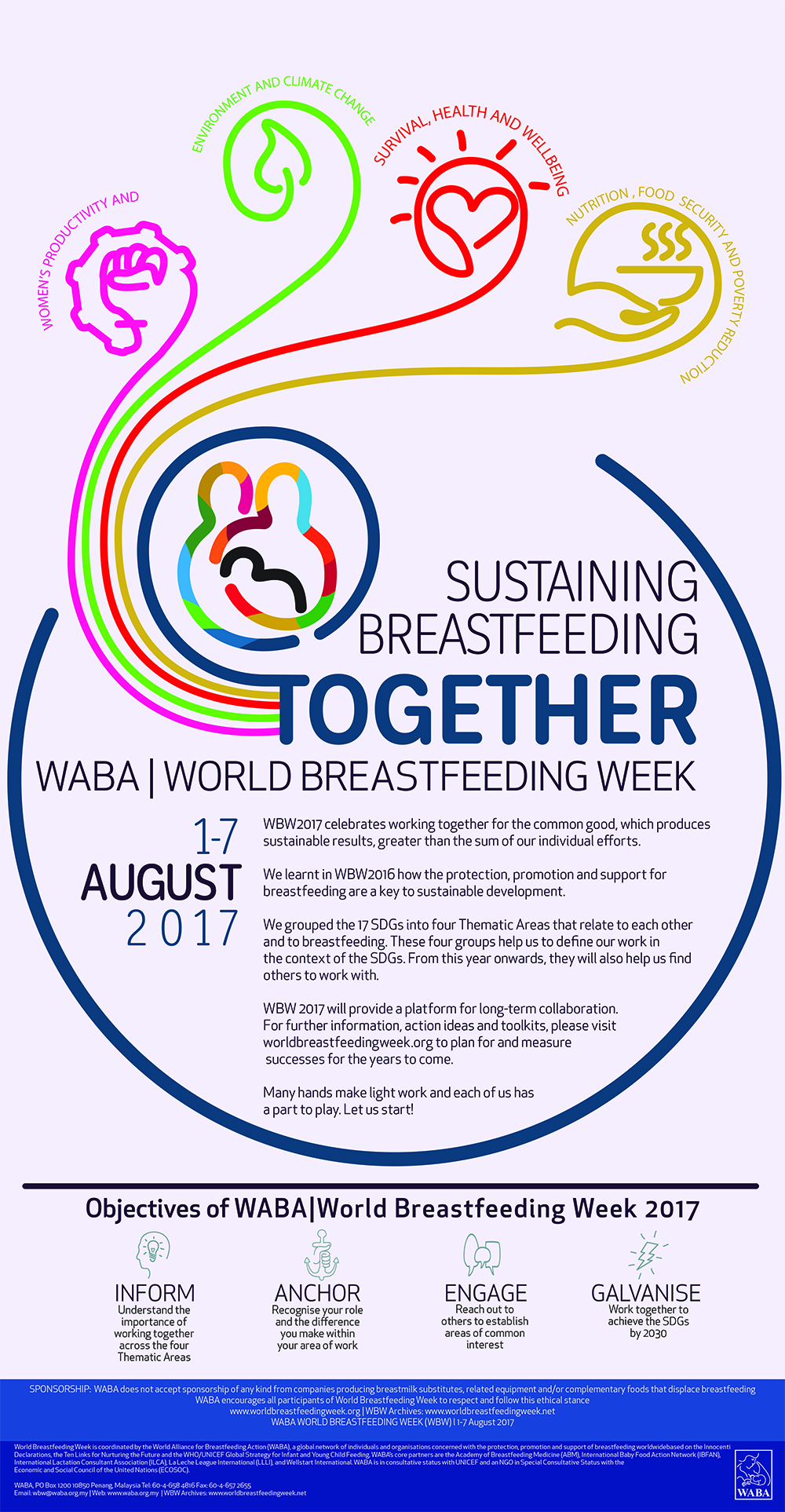
World Breastfeeding Week is celebrated during the first week in August every year in more than 170 countries to encourage breastfeeding and improve the health of babies around the world.  This year’s theme is “Sustaining breastfeeding together” and is focused on working together for the common good. The key to best breastfeeding practices is continued day-to-day support for breastfeeding mothers within their home and community. The Coastal Health District is committed to helping mothers breastfeed their babies because breastfeeding is so important for good health. Breast milk is easy to digest, with just the right amount of fat, sugar, water, and protein for a baby’s growth and development. Breastfed babies usually get sick less often, because breast milk contains antibodies that can protect infants from bacterial and viral infections.

For more information on the objectives of World Breastfeeding Week 2017, click HERE.

For more information on the scheduled Coastal Health District events, contact Monica Lightfoot at Monica.Lightfoot@dph.ga.gov.

[JPG, 2.02 MB]