The Coastal Health District of Georgia serves the counties of Bryan, Camden, Chatham, Effingham, Glynn, Liberty, Long & McIntosh

View Upcoming Events

News & Events


Don’t Fall for the Flu

Fall is in the air and soon, the flu virus will be, too. Flu seasons are unpredictable but can begin as early as October and go as late as May. And while it takes two weeks after getting vaccinated for the flu vaccine to take effect, the vaccine offers protection throughout flu season. Health departments in Bryan, Camden, Chatham, Effingham, Glynn, Liberty, Long, and McIntosh counties have flu vaccine available and public health officials are encouraging residents not to wait until flu season is in full swing to get vaccinated.
Sick man in bed.jpg
Cost for both the injectable (shot) and nasal spray form is $28. A high dose flu vaccine is also being offered for people ages 65 and older, and it is designed to provide the best protection for that age group. The high dose vaccine will be $45 per dose. Cost of the flu vaccine is covered under both Medicare and Medicaid.
Getting vaccinated against the flu is recommended for everyone six months of age and older. Neither the flu shot nor the nasal spray can cause the flu. The shot is approved for use in healthy people 6 months of age and older, people with chronic medical conditions, and pregnant women. The nasal spray is approved for use in healthy people 2 to 49 years of age who are not pregnant.
The flu virus is easily spread through coughs and sneezes and by touching something with the virus on it and then touching your eyes, nose, or mouth. That’s why good health habits are also important including staying home when you’re sick; avoiding close contact with people who are sick; coughing or sneezing into your elbow and not your hand; washing your hands often with soap and water; and avoid touching your eyes, nose and mouth.
General Information on Flu
Flu viruses are through to spread mainly from person to person through droplets made when people with flu cough, sneeze, or talk. Flu viruses may also spread when people touch something with flu virus on it and then tough their mouth, nose, or eyes. Many other viruses spread these ways, too.
People infected with flu may be able to infect others beginning one day before symptoms develop and up to 5-7 days after becoming sick. That means you may be able to spread the flu to someone else before you know you are sick as well as while you are sick. Young children, those who are severely ill, and those who have severely weakened immune systems may be able to infect others for longer than 5-7 days.
Thumbnail image for take3-poster 1000 pix.jpg
Click on image for full view.
Everyday Preventive Actions to Avoid the Flu
– Try to avoid close contact with sick people.
– If you or your child gets sick with flu-like illness, CDC recommends that you (or your child) stay home for at least 24 hours after the fever is gone except to get medical care or for other necessities. The fever should be gone without the use of a fever-reducing medicine.
– While sick, limit contact with others as much as possible to keep from infecting them.
– Cover your nose and mouth with a tissue when you cough or sneeze. Throw the tissue in the trash after you use it.
– Try to cough or sneeze into the crook of your elbow.
– Wash your hands with soap and water. If soap and water are not available, use an alcohol-based hand rub.
– Avoid touching your eyes, nose, and mouth. Germs spread this way.
– Clean and disinfect surfaces and objects that may be contaminated with germs like the flu.
Vaccine Information
Flu Shot Vaccine Info. 2014-2015 [PDF]
Flu Nasal Spray Vaccine Info. 2014-2015 [PDF]
Flu Shot Vaccine Info. 2014-2015 Spanish [PDF]
Flu Nasal Spray Vaccine Info. 2014-2015 Spanish [PDF]
For more information, please call your health department

Family Planning Program Changes Announced

Making sure that women have access to family planning care has always been a central focus of public health. While that is still the case, Family Planning Programs in health departments across the state of Georgia are undergoing some changes and as a result, there will be some new requirements for patients seeking those services, such as birth control. Effective September 29, 2014, patients seeking family planning services in Bryan, Camden, Chatham, Effingham, Glynn, Liberty, Long, and McIntosh counties should be prepared to present a photo ID and proof of income* and will be expected pay low cost fees for services.
*(Proof of income will not be required for clients 19 and under).
Multi ethnic women 300 pix.jpg
It is our goal to provide family planning services at the lowest cost possible. In order to accomplish this, patients over the age of 19 must provide verification of income so that we can determine fair and affordable fees for services provided. Without verification of income, patients will be asked to pay the full amount for services they receive.
Accepted proof of income includes:
• W-2 form
• Current tax return
• Current paychecks and/or pay check stubs for 1 month
• Unemployment / Department of Labor compensation notice or check stub
• Notarized statement of income from employer on letterhead
• WIC or SNAP approval letter including family size and income
Accepted Photo ID includes:
• State issued driver’s license
• Government issued ID
• Student ID
There will be payment options for family planning services and accepted forms of payment include:
• Cash
• Debit/credit card (Visa, Master Card, Discover)
• Medicaid
• Peachcare for Kids
• Amerigroup, Peachstate, Wellcare
To qualify for a fee discount, patients must provide proof of income. Patients who do not provide proof of income will be asked to pay the full amount for services received at the time of visit.*
*(Patients who do not proof of income may be offered a 20% discount if paying with cash or debit card at the time of visit).
We value all of our patients and strive to provide the highest quality family planning services in an atmosphere of caring and respect. The Coastal Health District will continue to offer a broad spectrum of family planning services including physical exams, counseling and education, and provision of effective contraceptive methods.
We appreciate the patience and understanding of all public health Family Planning Program patients. Any questions about changes to the Family Planning Program can be directed to your county health department.

Drive-through Flu Vaccination Clinic Scheduled for October 9 at McIntosh County Health Department

September 25, 2014 – The McIntosh County Health Department will hold a drive-through vaccination clinic from 9 a.m. to 4p.m. on Thursday, October 9, at the health department located on Highway 57 in Townsend. No appointment is necessary. For anyone who can’t get to the drive-through clinic, flu vaccine will be available Monday through Friday at the health department. Cost for both the injectable (shot) and nasal spray form is $28. A high dose flu vaccine is also being offered for people ages 65 and older, and it is designed to provide the best protection for that age group. The high dose vaccine will be $45 per dose. Cost of the flu vaccine is covered under both Medicare and Medicaid.
Getting vaccinated against the flu is recommended for everyone six months of age and older. Neither the flu shot nor the nasal spray can cause the flu. The shot is approved for use in healthy people 6 months of age and older, people with chronic medical conditions, and pregnant women. The nasal spray is approved for use in healthy people 2 to 49 years of age who are not pregnant.
The flu virus is easily spread through coughs and sneezes and by touching something with the virus on it and then touching your eyes, nose or mouth. That’s why good health habits are also important including staying home when you’re sick; avoiding close contact with people who are sick; coughing or sneezing into your elbow and not your hand; washing your hands often with soap and water; and avoid touching your eyes, nose and mouth.
For more information please call the McIntosh County Health Department at 832-5473 or click HERE.

Liberty County Health Department Employee Honored at State Conference

September 25, 2014 – Liberty County Health Department employee and Women, Infants, and Children (WIC) clerk, Jonell Bacon-Seward, was recently named the 2014 WIC Customer Service Award Winner for the Coastal Health District. Bacon-Seward was recognized at the Georgia WIC Customer Service Conference in Atlanta where more than 400 county, district, state, and federal WIC staff members were in attendance.
“Receiving this award was a great and unexpected surprise,” said Bacon-Seward. “It was a great honor to be nominated and chosen for employee of the year for WIC customer service. This lets me know that I am recognized and appreciated for the work that I do.”
Bacon-Seward has worked for the health department in the WIC program for close to 16 years and her responsibilities include issuing individuals enrolled in the WIC program supplemental food vouchers when applicable and making sure that processing standards are met according to WIC guidelines. WIC is a federally funded nutrition education program that provides supplemental food, nutrition education, social service and health referrals to income eligible pregnant or postpartum women, infants, and children up to age five, to improve their health outcomes.
Brenda Fitzgerald, M.D., commissioner of the Georgia Department of Public Health (DPH), presented special awards honoring district WIC staff members from each of Georgia’s 18 public health districts. Each of the WIC employees were chosen for special notice because they evidenced one or more of the following criteria: years of service, Georgia WIC outreach, customer service, leadership in WIC service delivery.
“The employees who were lauded as District Georgia WIC Employees of the Year provided exemplary service to the Georgia WIC Program over the past years,” said Barbara Stahnke, MEd, RD, Ld, Nutrition Program Specialist for the Georgia Department of Public Health Division of Health Promotion, Nutrition and WIC Section. “Georgia WIC wants to thank all of our WIC providers, and most especially the providers recognized for their exemplary service.”
Jonell Bacon Seward.jpg

Raccoon in Chatham County Tests Positive for Rabies after Attacking Stray Cat

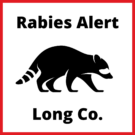
September 19, 2014 – A raccoon that attacked a stray cat on 59th Street in Savannah has tested positive for rabies. The cat, described as solid white with fluffy fur, got away from the raccoon and has not yet been found. Residents in the area are asked to contact Chatham County Animal Control at 525-2408 and the Chatham County Health Department Environmental Health Division at 356-2160 if they see the cat.
Rabies is a potentially deadly virus that is primarily spread by infected animals. Symptoms of rabies in animals include a change in behavior, biting, aggression, showing no fear of natural enemies (such as humans), foaming at the mouth, and paralysis.
The Chatham County Health Department Environmental Health Division offers these tips to protect you and your family from rabies:
• Avoid contact with animals you don’t know.
• Make sure your pets receive the proper immunizations. Dogs and cats should get rabies vaccines by four months of age, followed by a booster shot one year later, and another one every one to three years as prescribed by your veterinarian.
• Do not handle, feed, or unintentionally attract wild animals with open garbage cans or by leaving pet food out at night.
• Never adopt wild animals or bring them into your home. Do not try to nurse sick animals to health. Call animal control or a properly licensed animal rescue agency for assistance.
• Teach children to never handle unfamiliar animals, wild or domestic, even if they appear friendly. “Love your own, leave other animals alone” is a good principle for children to learn.
If an animal ever bites you, seek medical care immediately and contact Chatham County Animal Control at 525-2408 and the Chatham County Health Department Environmental Health Division at 356-2160.

September is a Good Time to Prepare

National and international disasters, ranging from Ebola to wildfires to major earthquakes, have dominated the headlines in recent weeks. Plus, we are entering the most active month of hurricane season. Georgia Governor Nathan Deal has proclaimed September as National Preparedness Month in Georgia – a great time to make sure you and your loved ones are disaster-ready. This year’s theme is “Be Disaster Aware; Take Action to Prepare.”

“Knowing the appropriate way to prepare for and respond to disaster can help you survive the emergency and recover faster, said Lisa Janak Newman, public information officer with the Georgia Emergency Management Agency/Homeland Security (GEMA). “It can also help reduce the fear and anxiety that accompany disasters.”

It’s easy to prepare for a disaster, whether it’s a hurricane or snow and ice. Stay informed by having a way to receive weather alerts, build a Ready kit of emergency supplies, and make a family communications plan using the resources on Ready Georgia.

“Having an extra supply of batteries, water, ready-to-eat food and cash in small denominations are some of the most essential items to start with,” said Bruce Jeffries, deputy director of Health Protection at the Georgia Department of Public Health (DPH). “Make considerations for the specific, individual needs of you and your family before the onset of a disaster.”

Article by Georgia Department of Public Health Risk Communicator, Eric Jens.

Adults: Immunizations Are Not Just For Kids

That’s right. The need for immunizations doesn’t end with childhood. Each year, thousands of adults in the U. S. suffer serious health problems, are hospitalized, or even die from diseases that could be prevented by vaccines, including influenza, whooping cough, certain bacterial infections, hepatitis A and B, shingles, and even some cancers such as cervical cancer and liver cancer. Talk to your doctor today to find out which vaccines are recommended for you.
FBpost_Adults.jpg
Most people don’t realize that adults need immunizations, too. While many recognize that a flu vaccine is recommended every year, few adults are aware of the need for other vaccines to help protect their health.
Protection from some childhood immunizations wears off over time, leaving you vulnerable to disease. For example, there has been a rise in cases of whooping cough in the last few years, with over 48,000 cases being reported in 2012. We have learned that the protection from DTaP whooping cough vaccine given to children doesn’t last into adulthood, so all adults are now recommended to get one dose of Tdap whooping cough vaccine if they did not receive it as an adolescent.
Adults may be recommended for certain vaccines due to their age, job, hobbies, travel, or health condition. Other vaccines may be recommended if they didn’t get certain vaccines as children.
Check your immunization records to be sure you got the, measles-mumps-rubella, varicella “chickenpox” and HPV vaccines.
Some adults, including older adults and those who have chronic health conditions, may be at higher risk for serious complications from some vaccine-preventable diseases. For example, because older age increases the chance of getting shingles, CDC recommends that adults get the shingles vaccine once they turn 60 years old.
People with diabetes, heart disease, and COPD or asthma, even if well managed, are more likely than those without these conditions to have complications from the flu. To prevent possible complications like pneumonia, people with these chronic conditions should get a pneumococcal polysaccharide vaccine in addition to a yearly flu vaccine.
But those aren’t the only reasons to stay up-to-date on vaccinations.
Adult immunization is necessary because it not only protects the person receiving the vaccine, but also helps prevent the spread of certain diseases to loved ones and those in the community who are most vulnerable to disease (like those with weakened immune systems and infants).
They don’t have a choice, but you do.
To learn about adult vaccination and the Affordable Care Act, visit: www.health care.gov/what-are-my-preventive-care-benefits/.
Getting vaccinated is an important step we can take to protect ourselves and loved ones from vaccine-preventable diseases. Yet too many adults–perhaps even you–are not up to date. Talk with your doctor to find out which vaccines are right for you.
For more information on vaccines or to take an adult vaccine quiz to find out which vaccines you might need, go to www.cdc.gov/vaccines/adults/index.html.

Glynn County Health Department Officials Encourage Rabies Precautions Following Fox Bite

July 29, 2014 – A Glynn County resident was bitten by a fox that has tested positive for rabies and as a result, Glynn County Health Department environmental health officials are encouraging residents to be aware of unusual behavior in wildlife. The incident took place near the intersection of Old Jesup Road and Community Road. Health officials are asking residents that live in and around that region and the Ballard Park area to pay particular attention to wild animals acting strangely. Anyone that has come into physical contact with a fox in the Old Jesup Road/Community Road/Ballard Park areas is asked to contact the Glynn County Environmental Health Division at 912-279-2940.
Symptoms of rabies in animals include a change in behavior, biting, aggression, showing no fear of natural enemies (such as humans), foaming at the mouth, and paralysis. Rabies is a potentially deadly virus that is primarily spread by infected animals. Residents should always avoid contact with wild or stray animals, watch for unusual behavior in pets and wildlife, and get pets vaccinated against rabies. Leaving food outdoors for family pets or undomesticated animals can attract potentially rabid wildlife.
The Glynn County Health Department offers these tips to protect you and your family from rabies:
• Avoid contact with animals you don’t know.
• Make sure your pets receive the proper immunizations. Dogs and cats should get rabies vaccines by four months of age, followed by a booster shot one year later, and another one every one or three years depending on the type of vaccine used.
• Do not handle, feed, or unintentionally attract wild animals with open garbage cans or by leaving pet food out at night.
• Never adopt wild animals or bring them into your home. Do not try to nurse sick animals to health. Call animal control or a properly licensed animal rescue agency for assistance.
• Teach children to never handle unfamiliar animals, wild or domestic, even if they appear friendly. “Love your own, leave other animals alone” is a good principle for children to learn.
If an animal ever bites you, seek medical care immediately and contact Glynn County Animal Control at 912-554-7500 and the Glynn County Health Department Environmental Health Division at 912-279-2940.

Camden County Public Health Officials Encourage Rabies Precautions

July 23, 2014 – Reports of recent dog bites in the area of W. Dawson Ave and W. Johnson Ave in Kingsland have prompted Camden County Environmental Health officials to remind residents to avoid wild or stray animals and make sure pets are vaccinated against rabies. Rabies is a potentially deadly virus that is primarily spread by infected animals. Symptoms of rabies in animals include a change in behavior, biting, aggression, showing no fear of natural enemies (such as humans), foaming at the mouth, and paralysis.
The Camden County Health Department Environmental Health Division offers these tips to protect you and your family from rabies:
• Avoid contact with animals you don’t know.
• Make sure your pets receive the proper immunizations. Dogs and cats should get rabies vaccines by four months of age, followed by a booster shot one year later, and another one every one to three years as prescribed by your veterinarian.
• Do not handle, feed, or unintentionally attract wild animals with open garbage cans or by leaving pet food out at night.
• Never adopt wild animals or bring them into your home. Do not try to nurse sick animals to health. Call animal control or a properly licensed animal rescue agency for assistance.
• Teach children to never handle unfamiliar animals, wild or domestic, even if they appear friendly. “Love your own, leave other animals alone” is a good principle for children to learn.
If an animal ever bites you, seek medical care immediately and contact Camden County Animal Control at 912-576-7395 (Woodbine and St. Marys) or 912-729-1442 (Kingsland) and the Camden County Health Department Environmental Health Division at 912-729-6012.

Health District Officials Encourage Continued Precautions against Mosquitoes

July 21, 2014 – Coastal Health District officials want to remind residents to take precautions to avoid mosquitoes which are not only a nuisance but can carry disease such as West Nile Virus (WNV), Eastern Equine Encephalitis (EEE), and chikungunya.
WNV is transmitted by the bite of infected mosquitoes. About 80 percent of people infected with WNV will not show any symptoms at all; however, cases can range from mild to severe. Mosquitoes that carry the West Nile Virus are more likely to bite during the evening, night, and early morning. EEE is a mosquito-borne virus that causes swelling of the brain. In horses, it is fatal 70 to 90 percent of the time. Horse and large animal owners are encouraged to vaccinate their animals against the virus and to clean out watering sources, such as buckets and troughs, every three-to-four days to prevent mosquitoes from breeding there. According to the Centers for Disease Control and Prevention (CDC), most people with chikungunya will develop some symptoms which could include fever, joint and muscle pain, headache, and a rash. There is no specific treatment and most who get it feel better within a week. Unlike the mosquitoes that carry WNV, the mosquitoes that spread the chikungunya virus bite mostly during the daytime.
Mosquito Prevention
The best way to prevent mosquito-related diseases is to avoid mosquito bites. Mosquitoes breed in standing water which is why it is important to remove water-holding containers (buckets, barrels, flower pots, tarps, etc.; drill holes in tire swings so water drains out; keep children’s wading pools empty and on their sides when they’re not being used; change water frequently in pet dishes; change bird bath water at least twice a week; and avoid using saucers under outdoor potted plants.
In addition, following these tips can help lessen the risk of getting bitten by mosquitoes:
• DRAIN all standing water.
• Avoid DAWN and DUSK when mosquitoes are most active.
• DRESS appropriately in long sleeves and pants.
• DEFEND or DEET yourself against mosquitoes with an effective repellent. Repellents containing DEET, picaridin, IR3535, and oil of lemon eucalyptus and para-menthane-diol products provide long lasting protection.
• DOORS and windows should be in good condition.