The Coastal Health District of Georgia serves the counties of Bryan, Camden, Chatham, Effingham, Glynn, Liberty, Long & McIntosh

Posts by District_PIO


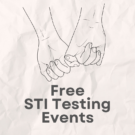
FREE HIV Testing Events June 27

The U.S. Center for Disease Control and Prevention (CDC) estimates around 1.2 million people in the United States are living with HIV, and one in eight people don’t know they have it. Nearly 45,000 people find out they have HIV every year. In Georgia, the risk of HIV diagnosis is 1 in 51. National HIV Testing Week is an opportunity to raise awareness, encourage people to get the facts, tested, get involved, and get linked to care and treatment services. The Coastal Health District is pleased to offer free HIV testing as part of this global effort.

The Coastal Health District HIV Prevention Program will offer free HIV testing on June 27 in observance of National HIV Testing Day. All testing is completely confidential and results will be available in one minute. A follow-up visit will be scheduled for anyone who tests positive and counseling will be made available to those individuals.

Testing will take place from 10 a.m. – 7 p.m. on Wednesday, June 27, at the following locations on National HIV Testing Day:

CHATHAM COUNTY:
Walgreens, 2109 E. Victory Drive, Savannah
Walgreens, 11509 Abercorn St., Savannah
Walgreens, 4210 Augusta Rd., Garden City

GLYNN COUNTY
Walgreens, 4575 Altama Ave., Brunswick

The first 25 people who come for testing at each Walgreens location will receive a gift card.

HIV testing is free at all health departments in Bryan, Camden, Chatham, Effingham, Glynn, Liberty, Long, and McIntosh counties and available Monday through Friday during regular health department hours of operation.

For more information on National HIV Testing Day events, please call Diane DeVore at (912) 644-5828 or e-mail Diane.Devore@dph.ga.gov.

Free Mammograms for Women in Chatham Co. Who Meet Eligibility Criteria

The Chatham County Health Department’s Breast and Cervical Cancer Program (BCCP) is partnering with the St. Joseph’s/Candler Mobile Mammography Program to offer free mammograms from 9 a.m. to 3 p.m. on Monday, June 25, at the Chatham County Health Department located at 1602 Drayton Street in Savannah. Women who meet certain annual income guidelines and are 40-64 years of age without insurance will be eligible to receive a screening mammogram at no cost.

Appointments are preferred but walk-ins will be accepted. To make an appointment, please call 356-2946.

Click HERE for more information on BCCP.

Free HIV Testing Events Scheduled for Chatham; Glynn

The Coastal Health District HIV Prevention Program will offer free HIV testing on June 27 in observance of National HIV Testing Day. Testing events will take place from 10 a.m. to 7 p.m. in the following locations:

CHATHAM COUNTY:
Walgreens, 2109 E. Victory Drive, Savannah
Walgreens, 11509 Abercorn St., Savannah
Walgreens, 4210 Augusta Rd., Garden City

GLYNN COUNTY
Walgreens, 4575 Altama Ave., Brunswick

All testing is completely confidential and results will be available in one minute. A follow-up visit will be scheduled for anyone who tests positive and counseling will be made available to those individuals.

The first 25 people who come for testing at each Walgreens location will receive a gift card.

The U.S. Center for Disease Control and Prevention (CDC) estimates around 1.2 million people in the United States are living with HIV, and one in eight people don’t know they have it. Nearly 45,000 people find out they have HIV every year. In Georgia, the risk of HIV diagnosis is 1 in 51. National HIV Testing Week is an opportunity to raise awareness, encourage people to get the facts, tested, get involved, and get linked to care and treatment services. The Coastal Health District is pleased to offer free HIV testing as part of this global effort. As a reminder, HIV testing is free at all health departments in Bryan, Camden, Chatham, Effingham, Glynn, Liberty, Long, and McIntosh counties and available Monday through Friday during regular health department hours of operation.

Anyone with questions about testing can call Diane DeVore at (912) 644-5828 or e-mail Diane.Devore@dph.ga.gov.

[JPG, 1.75 MB]

Feral Cat in Glynn Co. Tests Positive for Rabies

A feral cat in the Waverly Pines neighborhood in Brunswick has tested positive for rabies. At least three residents were exposed to the cat and have been advised to follow up with a healthcare professional.

Several species of wild animals that are native to coastal Georgia – including raccoons, foxes, and bats – can carry rabies. Rabies is a potentially deadly virus that is primarily spread by infected animals. The Glynn County Health Environmental Health office offers these tips to protect you and your family from rabies:

  • Avoid contact with animals you don’t know.
  • Make sure your pets receive the proper immunizations. Dogs and cats should get rabies vaccines by four months of age, followed by a booster shot one year later, and another one every year as prescribed by your veterinarian.
  • Do not handle, feed, or unintentionally attract wild animals with open garbage cans or by leaving pet food out at night.
  • Never adopt wild animals or bring them into your home. Do not try to nurse sick animals to health. Call animal control or a properly licensed animal rescue agency for assistance.
  • Teach children to never handle unfamiliar animals, wild or domestic, even if they appear friendly. “Love your own, leave other animals alone” is a good principle for children to learn.

Symptoms of rabies in animals include a change in behavior, biting, aggression, showing no fear of natural enemies (such as humans), foaming at the mouth, and paralysis.

If an animal ever bites you, seek medical care immediately and contact Glynn County Animal Control at 912-554-7500 and the Glynn County Health Department Environmental Health office at 279-2940.

Bryan Co. Save a Life Youth Health Summit Scheduled for June 23

The Coastal Health District Adolescent Health and Youth Development (AHYD) Program, in partnership with Prevention by RCC and Bryan County Family Connection, will hold the Save a Life Youth Health Summit from 9 a.m. to 4 p.m. on Saturday, June 23, at the Richmond Hill Teen Center located at 185 Ball Park Road in Richmond Hill. The Summit is free for youth ages 10-19, parents, and educators.

Attendees will take park in the CPR Heartsaver Certification Class and education on suicide prevention, bullying prevention, and bystander intervention. For educators, completing the suicide prevention education class will result in one clock hour for National Board of Certified Counselors, Inc., continuing education credits. Lunch will be provided and there will also be raffle prizes and other giveaways.

Space is limited and registration is required. To register the registration form below and email it to Prevention@rccsav.org or ronique.thomas@dph.ga.gov.

Save a Life Youth Health Summit Reg Form [DOCX, 59.64 KB]

[JPG, 1.37 MB]

Health Departments Now Offer New Shingles Vaccine

Health departments in Bryan, Camden, Chatham, Effingham, Glynn, Liberty, Long, and McIntosh counties are now offering Shingrix, a new vaccine to help protect against shingles, a painful rash that is caused by the same virus that causes chickenpox. Shingrix also protects against postherpetic neuralgia (PHN), severe pain that can occur at the site of the shingles rash even after the rash clears up. The Advisory Committee on Immunization Practices (ACIP) of the Centers for Disease Control and Prevention (CDC) voted to recommend the vaccine in adults ages 50 and older.

The previous vaccine for shingles – Zostavax – was recommended for those 60 and older. According to the CDC, Shingrix is recommended for healthy adults 50 and older even if they have previously had shingles, received Zostavax, or are unsure if they have had chickenpox.

“Being able to offer the Shingrix vaccine means that we can protect even more people against shingles,” said Coastal Health District Immunization Coordinator, Paige Lightsey, R.N. “When we can offer a vaccine that provides even more coverage against a disease, it’s a good day in public health.”

Shingrix is given in two doses separated by two to six months. According to the CDC, two doses of Shingrix is more than 90 percent effective at preventing shingles and PHN.

About one in every three people in the United States will get shingles. The risk of shingles increases as you get older. There is no maximum age for getting the Shingrix vaccine.

For more information on the Shingrix vaccine, click HERE.

Mosquito Prevention

Southeast Georgia counties have seen a lot of rain this summer and that means a higher risk for mosquitoes that can carry diseases such as West Nile Virus (WNV) and Eastern Equine Encephalitis (EEE). Coastal Health District officials want to remind residents to take steps to avoid mosquito bites and prevent mosquito breeding.

WNV can cause mild to serious illness. According to the Centers for Disease Control and Prevention (CDC), about 80 percent of people infected with WNV will not show any symptoms at all; about 1 in 5 people who are infected develop a fever, headache, body aches, joint pains, vomiting, diarrhea, or rash; and about 1 in 150 people who are infected develop a severe illness such as encephalitis (inflammation of the brain) or meningitis (inflammation of the membranes surrounding the brain and spinal cord). Mosquitoes that carry the West Nile Virus are more likely to bite during the evening, night, and early morning.

EEE is a mosquito-borne virus that causes swelling of the brain. In horses, it is fatal 70 to 90 percent of the time. Horse and large animal owners are encouraged [JPG, 520.10 KB]to vaccinate their animals against the virus and to clean out watering sources, such as buckets and troughs, every three-to-four days to prevent mosquitoes from breeding there. EEE is rare in humans; however, humans are susceptible to the virus. According to the CDC, most people infected with EEE do not show illness. Symptoms in severe cases of EEE include a sudden onset of headache, high fever, chills, and vomiting. The primary mosquito that transmits EEE breeds in freshwater swamps.

One of the best ways to prevent mosquito breeding and the spread of mosquito-borne viruses is to get rid of standing water around the home and in the yard. Residents are urged to clean up around their homes, yards, and communities and get rid of unnecessary items that can hold water and turn into mosquito breeding grounds by using the “Tip ‘n Toss” method. After every rainfall, tip out water in flowerpots, planters, children’s toys, wading pools, buckets, and anything else that may be holding water. If it holds water and you don’t need it (old tires, bottles, cans), toss it out. It’s also a good idea to change water frequently in outdoor pet dishes, change bird bath water at least twice a week, and avoid using saucers under outdoor potted plants.

For containers without lids or that are too big for the Tip ‘n Toss method (garden pools, etc.), use larvicides such as Mosquito Dunks© or Mosquito Torpedoes© and follow the label instructions. These larvicides will not hurt birds or animals. In addition, clean out gutters, remove piles of leaves, and keep vegetation cut low to prevent landing sites for adult mosquitoes. Homeowners associations and neighborhoods, along with city and county governments, are encouraged to sponsor community cleanup days.

Residents are always encouraged to follow the 5Ds of mosquito bite prevention:

  • Dusk/Dawn – Avoid dusk and dawn activities during the summer when mosquitoes are most active.
  • Dress – Wear loose-fitting, long sleeved shirts and pants to reduce the amount of exposed skin.
  • DEET – Cover exposed skin with an insect repellent containing the DEET, which is the most effective repellent against mosquito bites.
  • Drain – Empty any containers holding standing water – buckets, barrels, flower pots, tarps – because they are breeding grounds for virus-carrying mosquitoes.
  • Doors – Make sure doors and windows are in good repair and fit tightly, and fix torn or damaged screens to keep mosquitoes out of the house.

The best way to protect yourself from mosquito bites is to use EPA-registered insect repellents containing 20 to 30 percent DEET, Picardin, IR3535, or Oil of Lemon Eucalyptus. Wearing light colored

Controlling the mosquito population has to be a community-wide effort. If we all do our part to remove places where mosquitoes can breed and take precautions to prevent getting bitten by mosquitoes then we can lessen the risk of getting mosquito-borne diseases.

For more information on mosquito-borne illness and mosquito prevention, click HERE.


E.coli Illness in Georgia Linked to Multi-state Outbreak; Infections Tied to Romaine Lettuce from Arizona


 ATLANTA – The Georgia Department of Public Health (DPH) and the Centers for Disease Control and Prevention (CDC) have confirmed one case of E. coli infection in Georgia that is linked to the multi-state outbreak of E. coli. The CDC has identified romaine lettuce from the Yuma, Arizona growing region as the likely source of the outbreak strain of E. coli. Eighty-four people from 19 states have been infected so far.

The Georgia case linked to the multi-state outbreak of E. coli is a metro Atlanta teenager and was hospitalized, but has since been released. The individual ate salad containing romaine lettuce at different restaurants in the metro area, and also ate bagged romaine purchased at a local grocery store.

Symptoms of E. coli infection usually develop between 2-8 days after contact with the bacteria. Most people experience diarrhea (that can be bloody), severe stomach cramps and vomiting. Some infections are very mild and people recover within a week. Other infections are severe or even life-threatening.

“This particular strain of E. coli has resulted in more hospitalizations than we would normally expect with this type of outbreak,” said Cherie Drenzek, DVM, state epidemiologist. “It is crucial that the public understands how serious E. coli infections can be, and to heed all recommended precautions about avoiding romaine lettuce for the time being.”

The CDC recommends:

  • Consumers avoid all romaine lettuce from the Yuma, Arizona growing region, including whole heads and hearts of romaine, chopped romaine and salads and salad mixes containing romaine lettuce.
  • Understand that product labels often do not identify growing regions; do not eat or buy romaine lettuce it if you do not know where it was grown.
  • Don’t take chances – if you are not sure what romaine lettuce is or what it looks like, do not eat it.
  • Washing lettuce will not eliminate E. coli – the bacteria can stick to leafy surfaces or hide in microscopic crevices.
  • Contact your healthcare providerif you have diarrhea that lasts for more than three days or is accompanied by high fever, blood in the stool, or so much vomiting that you cannot keep liquids down and you pass very little urine.

For more information log on to https://www.cdc.gov/ecoli/2018/o157h7-04-18/signs-symptoms.html.

About the Georgia Department of Public Health

The Georgia Department of Public Health (DPH) is the lead agency in preventing disease, injury and disability; promoting health and well-being; and preparing for and responding to disasters. DPH’s main functions include: Health Promotion and Disease Prevention, Maternal and Child Health, Infectious Disease and Immunization, Environmental Health, Epidemiology, Emergency Preparedness and Response, Emergency Medical Services, Pharmacy, Nursing, Volunteer Health Care, the Office of Health Equity, Vital Records, and the State Public Health Laboratory. For more information about DPH visit www.dph.ga.gov.


STD Awareness: Take Control of Your Sexual Health

Free Mammograms for Women in Chatham Co. Who Meet Eligibility Criteria

The Chatham County Health Department’s Breast and Cervical Cancer Program (BCCP) is partnering with the St. Joseph’s/Candler Mobile Mammography Program to offer free mammograms from 9 a.m. to 3 p.m. on Monday, April 30, at the Chatham County Health Department located at 1395 Eisenhower Drive in Savannah. Women who meet certain annual income guidelines and are 40-64 years of age without insurance will be eligible to receive a screening mammogram at no cost.

Appointments are preferred but walk-ins will be accepted. To make an appointment, please call 356-2946.

Click HERE for more information on BCCP.