The Coastal Health District of Georgia serves the counties of Bryan, Camden, Chatham, Effingham, Glynn, Liberty, Long & McIntosh

Effingham News


Flu Vaccine Now Available at Health Departments in Coastal Georgia

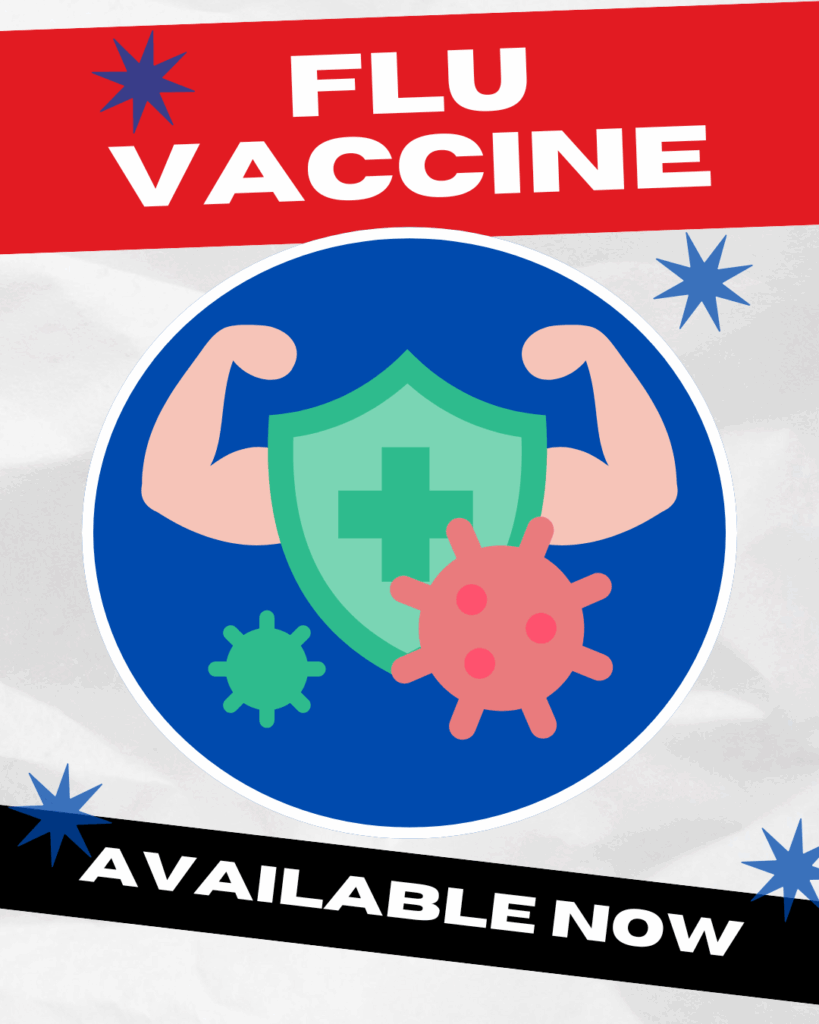
Your best protection against the flu is now available in the Coastal Health District. The health departments in Bryan, Camden, Chatham, Effingham, Glynn, Liberty, Long, and McIntosh Counties are now offering the updated 2025-2026 flu vaccine. Supplies are limited in some locations as vaccine shipments continue to arrive, so call your local health department to confirm availability and schedule an appointment.

A yearly flu vaccine is the best way to prevent serious flu-related illness for everyone age 6 months and older. Vaccination is especially important for adults aged 65 and older, children younger than 2, pregnant women, and individuals with underlying conditions like asthma and chronic lung disease.

“Even if you’re strong and healthy, you should still consider vaccination to protect the people around you,” said Dr. Bonzo Reddick, Health Director of the Coastal Health District. “Flu can make anyone feel miserable. No one wants to be sick, especially as we move closer to holiday celebrations and family gatherings.”

The cost of flu vaccination is typically covered by insurance, and health departments accept many health insurance plans. There are low-cost vaccination options for individuals without health insurance coverage. Many health departments will offer special flu vaccination events later in the fall. Information about events will be added online throughout the season at coastalhealthdistrict.org/flu.

City of Savannah Lifts Boil Water Advisory for Remaining Effected Customers

The following information was released by the City of Savannah on Sunday, August 17th:

The City of Savannah has fully lifted the boil water advisory first issued Friday evening. Tests confirmed Sunday morning that the remaining effected areas under the advisory showed no presence of coliform bacteria and the water is safe to consume.

All operations at the City’s I&D Water Treatment Plant are normal. City staff will return to routine water quality testing and monitoring protocols for the drinking water system.  

More information concerning the boil water advisory can be found at savannahga.gov/wateradvisory.

What to do after a Boil Water Advisory is lifted 

  1. Flush Your Pipes  
  • Run cold water taps for at least 5 minutes (run them longer if you live in a large building). 
  • Begin with the highest faucet in your home and work your way down to the lowest.  
  1. Flush Appliances 
  • Run and discard one cycle of water through: 
  • Refrigerator water dispensers 
  • Ice makers (discard old ice and make new ice) 
  1. Clean and Sanitize  
  • Replace water filters in: 
  • Fridge 
  • Under-sink systems 
  • Pitcher 
  • Sanitize the following:  
  • Ice bins 
  • Water coolers  
  • Coffee makers (run a cleaning cycle with clean water) 
  • Any other water-using appliances 
  1. Check and Clean Faucets  
  • Remove and clean faucet screens if needed. 
  1. Flush Toilets  
  • Flush each toilet once to clear the water lines. 
  1. Discard Stored Water  
  • Discard any stored water you collected during the advisory.  

Information for Food Service Facilities, Hotels, and Motels

The following information is from the National Restaurant Association:

Once the advisory is lifted and you’re notified the water supply is usable, take these actions to ensure the safety of your food and beverages:

  • Flush the pipes throughout your facility by running each faucet with cold water for at least 15-30 minutes.
  • Flush, clean, and sanitize appliances that use tap water, such as beverage dispensers, coffee and tea urns, ice machines, glass washers, and dishwashers. Make sure you follow the manufacturer’s instructions.
  • Run water softeners through a regeneration cycle.
  • Get your hot water tanks flushed.
  • Run your drinking fountains continuously for at least 5 minutes to flush the system.
  • Replace and sanitize water filter cartridges according to the manufacturer’s instructions.
  • Flush ice machines by following the manufacturer’s instructions. Also take the following steps: Throw out any remaining ice, flush the water line to the machine inlet, close the valve on the water line behind the machine, disconnect the water line from the machine inlet, open the valve and run 5 gallons of water through the valve, dispose of the water, and close the valve.

Environmental Health After-Hours Number for Food Service Facilities, Hotels, Motels:
912-689-4646

School Vaccination & Screening Clinics for 2025

–> Haga clic aquí para obtener información en español

Several counties in the Coastal Health District are offering special summer immunization and screening clinics to help families avoid the back to school rush. If you have a child entering:

  • Pre-K,
  • Kindergarten,
  • 7th grade, or
  • 11th grade,

they may need vaccinations or screenings for school attendance. If students do not have the required screenings and immunizations they may be unenrolled from school, so parents are encouraged to take advantage of these summer opportunities!

A list of all school clinic events is below. However, vaccines and school screenings are routinely available at all the health departments in the Coastal Health District by appointment. You do not have to wait until one of these events for screenings or immunizations.  Also, you do not have to be vaccinated in your county of residence. If a convenient appointment is not available in your county, you may call surrounding counties for additional availability.

Call your county health department for more information.


Bryan County Health Department

Back to School vaccination and screening events will be held in July at the Bryan County Health Department. Appointments are required and vaccine is available while supplies last. Many insurance plans are accepted. Low cost options are available for individuals without health insurance.

If your child is transferring from another state, please bring their immunization records to the health department several days before their appointment. This gives staff an opportunity to transfer all the information into Georgia’s immunization registry prior to the health clinic event.

Richmond Hill Clinic:

  • July 8 & July 28, 8 am – 4 pm
  • 66 Captain Matthew Freeman Drive, Richmond Hill
  • Appointments required. Schedule by phone: (912) 756-2611

Pembroke Clinic:

  • July 21, 8 am – 4 pm
  • 430 Ledford Street, Pembroke
  • Appointments required. Schedule by phone: (912) 653-4331

Camden County Health Department

Back to School vaccination and screening events will be held on two dates in July at the Camden County Health Department. Appointments are recommended, but walk-ins are accepted.

  • July 7, 8 -10:30 am and 1-3:30 pm
  • July 17, 8-10:30 am and 1-5:30 pm
  • Appointments accepted but not required
  • 101 Winding Road, Kingsland
  • Schedule by phone: (912) 882-8515

Chatham County Health Department

If your child is entering a Georgia school for the first time and needs an eye, ear, dental (EED) screening, the Chatham County Health Department is holding two free EED screening clinics this summer.

On these two days, you do NOT need an appointment for an EED and the usual $30 fee is waived.

  • July 17 & 24, no appointment needed for EED, 8 a.m. – 5 p.m.
  • 1395 Eisenhower Drive, Savannah

For school vaccines, please call the health department at 912-356-2441 to schedule an appointment.


Effingham County Health Department

Back to School vaccination and screening events will be held BY APPOINTMENT in July and August at the Effingham County Health Department.

  • July 10, July 24, August 7, and August 14, 8:15-11:15 am and 1:15-6:15 pm by appointment
  • 802 Hwy. 119 South, Springfield
  • Appointments required. Schedule by phone: (912) 754-6484

Glynn County Health Department

Back to School vaccination and screening services are available as a walk-in service every day the clinic is open at the Glynn County Health Department. Walk-in hours are:

  • Monday-Wednesday, 8am-4pm (closed 12-1)
  • Thursday, 8am-6pm (closed 12-1)
  • Friday, 8am-1pm
  • Closed the last business day of every month for staff training
  • No appointment needed

Liberty County Health Department

Back to School vaccination and screening events will be held BY APPOINTMENT in June and July at the Liberty County Health Department.


Long County Health Department

Back to School vaccination and screening events will be held BY APPOINTMENT in June, July, and August at the Long County Health Department.

  • June 26, July 24, and August 21, 8:30 – 11:30 a.m. and 1 – 5:30 p.m. by appointment
  • 584 N. Macon Street, Ludowici
  • Appointments required. Schedule by phone: (912) 545-2107

McIntosh County Health Department

Back to School vaccination and screening events will be held BY APPOINTMENT in June and July at the McIntosh County Health Department.

  • June 5 and July 24, 1 – 6 p.m. by appointment
  • 1335 GA Highway 57, Townsend
  • Appointments required. Schedule by phone: (912) 832-5473

School Requirements

Students entering a Georgia school for the first time – no matter what the grade level –  must have a completed Certificate of Vision, Hearing, Dental, and Nutrition screening form. “First time” means never enrolled in a Georgia school before at any time in their lives.

In addition, children attending seventh grade and new entrants into Georgia schools in grades 8 through 12 must have received one dose of Tdap vaccine and one dose of meningococcal vaccine. (“New entrant” means any child entering any school in Georgia for the first time or entering after having been absent from a Georgia school for more than 12 months or one school year).

All students entering or transferring into 11th grade will need a meningococcal booster shot (MCV4), unless their first dose was received on or after their 16th birthday.

All health departments in Bryan, Camden, Chatham, Effingham, Glynn, Liberty, Long, and McIntosh counties offer eye, ear, dental, and nutrition screens as well as immunizations all year round. If your child needs these services and cannot attend one of these events, please call your local county health department as soon as possible to schedule an appointment during regular clinic hours.

National Infant Immunization Week

National Infant Immunization Week (NIIW) is observed from April 21 – 28, 2025. Each year, NIIW highlights the importance of protecting children 2 years and younger from vaccine-preventable diseases.

On-time vaccination is essential to protect children from potentially life-threatening diseases. However, children aren’t fully vaccinated until they’re 15–18 months old. That’s why it’s important for those around infants to stay up to date on their own vaccines—helping shield young children as their immunity develops.

Some childhood illnesses that were once nearly eradicated through vaccination efforts are beginning to make a comeback in the United States. Measles was declared eliminated in the U.S. in 2000, but there have been recent measles outbreaks in several states. Whooping cough (pertussis) cases have been on the rise for decades. This resurgence of vaccine-preventable diseases is primarily due to declining vaccination rates.

Vaccinating your child according to the recommended immunization schedule gives him or her the best protection against 14 serious childhood illnesses — like measles and whooping cough — before the age of 2.

Review the 2025 Immunization Schedule recommended for birth through 6 years old by the Centers for Disease Control and Prevention (CDC). If you’re pregnant, now is a great time to find a doctor for your baby and schedule a visit to discuss any questions you have about vaccines.

Have questions about immunizations? Contact your local health department.

Free STI Screening Events in the Coastal Heath District

In recognition of Sexually Transmitted Infection (STI) Awareness Month, all county health departments in the Coastal Health District will be offering free STI screening events throughout the month of April.

The purpose of STI Awareness Month is to educate people about the risks and consequences of STIs, encourage regular testing and screening, and reduce the stigma associated with them. It also aims to promote prevention and treatment options.

About 1 in 5 people in the United States has an STI. Left untreated, STIs can lead to serious health issues, affect fertility, and be passed along to partners. Many infections don’t cause symptoms, so the only way to know for sure is to get tested.

The good news is that all STIs can be treated, and most can be cured. Testing is the first step. STI testing is available at all health departments in the Coastal Health District throughout the year.

The sooner you get tested, the sooner you can take action to protect your health and your partner’s health. For more information about STI prevention, testing and treatment, visit the Coastal Health District website at coastalhealthdistrict.org/sti.

LocationDate(s)TimesAppointments or Walk-ins
Bryan Co. – PembrokeApril 288 am – 4 pmWalk-ins
Bryan Co. – Richmond HillApril 298 am – 4 pmWalk-ins
Camden Co. – St. MarysApril 14 & 178 – 10:30 am 1 – 3:30 pmAppointments preferred but not required
Chatham Co. – Eisenhower & MidtownApril 14 – 178 – 11 am 1 – 3 pmWalk-ins
Effingham Co.April 178 am – 4:30 pmAppointments preferred but not required
Glynn Co.April 178 am – 5 pmWalk-ins
Liberty Co.April 158 am – 3:30 pmWalk-ins
Long Co.April 38:30 – 11:30 am 1 – 5:30 pmAppointment only
McIntosh Co.April 14 – 178:30 am – 4pmAppointment only

Respiratory Illness Activity in Georgia

Each week during respiratory virus season, the CDC provides information about respiratory illness activity on its Respiratory Illness Data Channel.

Overall respiratory illness activity in Georgia

This is a summary of the total impact of respiratory illnesses, regardless of which diseases are causing people to get sick.

Trends in Emergency Department Visits for Respiratory Illness in Georgia

The following chart provides a measure of how many people are seeking medical care in emergency departments in Georgia:

Respiratory IllnessEmergency Dept. Visits in GeorgiaTrend
COVID-19LowDecreasing
FluLowDecreasing
RSVLowDecreasing

For more information, visit the website of the CDC.

How To Safeguard Your Health

The most protection against COVID, flu, and RSV is vaccination. The CDC recommends:

  • An annual flu shot for everyone aged 6 months and older
  • An updated 2024-2025 COVID-19 vaccine for everyone aged 6 months and older
  • An RSV vaccine for adults aged 60 and older, depending on risk factors

These vaccines are available at your local county health department. Contact a clinic near you to schedule an appointment.

Other ways to prevent the spread of respiratory illnesses include:

  • Cover your mouth and nose with a tissue when you cough or sneeze. Throw used tissues in the trash. If you don’t have a tissue, cough or sneeze into your elbow, not your hands.
  • Learn and use proper handwashing technique.
  • Teach children the correct way to wash their hands.
  • Stay home and away from others when you aren’t feeling well.

DPH Launches Voluntary Awareness Training to Prevent Human Trafficking

The following press release was issued by the Georgia Department of Public Health.

The Georgia Department of Public Health Office of EMS and Trauma, in partnership with Governor Brian Kemp and First Lady Marty Kemp, is launching voluntary training for EMS personnel on how to identify potential victims of human trafficking. The EMS training is in conjunction with Human Trafficking Prevention Month and provides an opportunity to raise awareness and combat this heinous crime.

As first responders, EMS personnel often have unique opportunities to encounter and assist victims of human trafficking. Their critical role makes it essential to recognize the signs, respond appropriately, and navigate the legal aspects of human trafficking. This voluntary training program is designed to empower EMS providers with the skills, tools, and knowledge they need to identify potential trafficking victims, provide effective support, and take informed action.

“EMS personnel are often the only public safety or healthcare providers to give care to victims of human trafficking,” said Kathleen E. Toomey, M.D., M.P.H. “This training offers EMS providers an opportunity to deepen their understanding of human trafficking, gain insight into relevant laws, and enhance their ability to support victims in their most vulnerable moments.”

EMS personnel can access the training at https://www.train.org/georgia/course/1126600/details.

In Georgia, more than 370 girls are trafficked each month. The average age of a human trafficking victim in Georgia is 14.8 years old. However, human trafficking affects all genders, all ages, and all social and economic groups.

“I want to thank both the team at DPH for their efforts in developing this training and all of our EMS personnel who do so much to promote the health of Georgians and help us fight human trafficking,” said Georgia First Lady Marty Kemp. “These brave first responders are in a critically important role, interacting with survivors in their most vulnerable moments. By knowing the signs and how to report them, they can go even further in their work to save lives.”

All Georgians are encouraged to take part in the First Lady’s Human Trafficking Awareness Training. The training is free and available online

To report suspected human trafficking in Georgia, call the Statewide 24-Hour Human Trafficking Hotline at 1-866-ENDHTGA (1-866-363-4842). If you have reason to believe that a victim is in imminent danger, call 911 or your local law enforcement agency to file a report. 

Working together, we can shine a light on human trafficking and make a meaningful difference in the lives of those affected.

Remember the 4 “Ps” of Winter Weather Safety as Very Cold Weather Impacts Coastal Georgia

Very cold weather is moving into the coastal Georgia area beginning Sunday, January 19, with temperatures dropping below freezing combined with a dangerous wind chill.

Remember the 4 “Ps” of winter weather safety during this cold snap.

  • People: Ensure that everyone is dressed warmly before going outdoors. If you have family, friends, or neighbors who are especially vulnerable to cold weather, please check on them to be sure they’re warm and safe.
  • Pets: Bring pets inside. If it’s too cold for you, it’s too cold for them, too.
  • Plants: Cover outdoor plants with cloth or bring them inside. Freezing temperatures can kill some plants.
  • Pipes: Let your pipes drip. Having water move through the pipes will help prevent the water from freezing. A frozen pipe can burst causing property damage.

Effingham County Health Department Brings Mobile Mammogram Unit to Rincon February 3

Free mammograms will be available for eligible women when the Effingham County Health Department brings a mobile mammogram unit to Rincon in February.

The St. Joseph/Candler Mobile Mammography Unit will be in the parking lot of the Effingham County YMCA at 1224 Patriot Drive on Monday, February 3, 2025, from 8 a.m. – 3 p.m. Women aged 40 and older without health insurance coverage can make an appointment for free mammography screening during this special event.

Appointments are required and can be scheduled by calling 912-356-2946 or 912-307-9235. The free mammograms are provided by the Coastal Health District’s Breast and Cervical Cancer Program which aims to increase access to cancer screening for women without health insurance coverage.

Breast cancer is the second most commonly diagnosed cancer and the second-leading cause of cancer death in women. However, many cancer deaths can be avoided through regular screening.

A mammogram is the best test for finding breast cancer early. It is a series of X-ray pictures of the breast that allow doctors to look for early signs of breast cancer, sometimes up to three years before it can be felt during a breast exam. When breast cancer is detected and treated early, the chance of survival is greatly increased, and many women go on to live long and healthy lives.

Holiday Food Safety Tips from the Coastal Health District

As loved ones gather around the table for Thanksgiving this week, the Coastal Health District offers tips and reminders for ensuring a safe and healthy holiday feast. From preparing food, to serving, to storing leftovers, there are important food safety rules that can prevent you from ingesting bacteria that can make you sick.

Avoid Cross-Contamination

  • If turkey is on the menu, keep the raw turkey and its juices separate from foods that won’t be cooked.
  • Remember to fully clean and sanitize surfaces that come in contact with the uncooked meat and juices so bacteria from the turkey doesn’t cross-contaminate other food or surfaces.
  • Avoid touching ready-to-eat food with bare hands – this includes food you’ve already cooked, or food that doesn’t have to be cooked. Be sure to use serving utensils or gloves so you don’t unknowingly contaminate the food with germs from your hands.

Proper Temperature

  • Whether you’re frying or roasting your turkey, the key is to make sure the meat reaches a safe minimum temperature.
  • A food thermometer can help you ensure the turkey is hot enough to effectively kill bacteria. The turkey needs to reach a temperature of at least 165 degrees in the thickest part of the breast, the innermost part of the thigh, and the innermost part of the wing.

Leftovers: The Two Hour Rule

  • Once the food has been served, remember the two-hour rule. Perishable food should not sit at room temperature longer than two hours or harmful bacteria can develop. Refrigerate or freeze leftovers within two hours of serving.
  • If you have leftover turkey, it’s a good idea to carve the bird into smaller pieces and place them into small, shallow containers so the meat can cool more evenly and quickly.
  • When reheating the leftovers, only heat the amount you actually plan to eat at that time. For example, reheating an entire casserole dish and then cooling it back down multiple times isn’t a safe choice.
  • Leftovers can be kept safely in the refrigerator for 3-4 days and the freezer for 2-6 months.