The Coastal Health District of Georgia serves the counties of Bryan, Camden, Chatham, Effingham, Glynn, Liberty, Long & McIntosh

News


Decontaminating Private Wells after Flooding

The Coastal Health District urges private well owners to take precautions and disinfect any well that flooded during recent severe weather.

When a well is flooded, the water can become contaminated with bacteria that could cause waterborne illness. Disinfection of a flooded private well cannot begin until the water covering the affected well has receded.

Steps to disinfect flooded private wells

  • Step 1: Thoroughly clean all accessible surfaces removing any loose debris. Then wash the area with a strong chlorine solution (1 quart of household bleach per 5 gallon of water).
  • Step 2: Remove the well cap and add 1 gallon of non-scented household liquid bleach.
  • Step 3: Run water from an outside faucet through a hose until a strong chlorine smell can be detected. Place the end of the hose in the well allowing the water to run down the sides of the casing and circulate for at least 15 minutes. Replace the well cap.
  • Step 4: Turn off the hose and enter the home opening each tap, one at a time, until chlorine can be detected. Please include hot water faucets, toilets, bathtubs, washing machine, etc.
  • Step 5: Once the chlorine odor reaches all outlets, let the water system stand for at least 8 hours and preferably overnight. Refrain from any water use during this time.
  • Step 6: Flush the system of chlorine by turning on an outside faucet letting it run until the chlorine smell dissipates. Finally, run the indoor faucets until the water is clear and the chlorine smell is gone. Do not run any unnecessary water into the septic system or allow the chlorinated water to drain into a stream or pond. The well cannot be flushed too much!
  • Step 7: The water should be tested to determine if it’s safe to drink. It is recommended that over the next several weeks two additional samples are taken, and the results are satisfactory. Well water can be tested at your local county health department or county extension office. Repeated chlorination and/or a well professional should be called if problems remain.

Back-to-School Events and Reminders for Families in Long County

Families in Long County with school-aged children are invited to a back-to-school rally happening Saturday, August 3 from 10 a.m. – 12 p.m. in Ludowici. Saint Phillips Missionary Baptist Church is hosting the event on the church grounds at 147 Boundary Street. Pleasant Hill Missionary Baptist Church is also an event sponsor.

The rally will be organized as a drive-through, and participants can receive free backpacks and school supplies. The Long County Health Department will offer information about available services and tips for healthy lifestyles in the school year and beyond.

The Long County Health Department is also reminding families that children entering pre-K or kindergarten, 7th grade, and 11th grade are required to have certain vaccinations for school attendance. A hearing, vision, dental, and nutrition screening is also required for any student attending school in Georgia for the first time.

The health department will host a back-to-school vaccine and screening event on August 22 at the clinic in Ludowici by appointment only. To make an appointment, call the health department at 912-545-2107 during clinic hours. Space is limited.

Bat Tests Positive for Rabies in Eastern Chatham County

The Chatham County Health Department is alerting residents that a bat from the eastern part of the county has tested positive for rabies. A resident discovered the bat in a privately-owned swimming pool in the Causton Bluff area near Islands Expressway. Four individuals were exposed to the bat and are receiving follow-up medical care. All residents are reminded to avoid contact with wild animals and ensure pets are properly vaccinated against rabies.

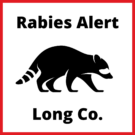
Several species of wild animals in our area can carry rabies, including raccoons, foxes, and bats. Rabies is a potentially deadly virus that is primarily spread by infected animals. Following these tips can protect you and your family from rabies:

  • Avoid contact with animals you don’t know.
  • Make sure your pets receive the proper immunizations. Dogs and cats should get rabies vaccines after 12 weeks of age, followed by a booster shot within one year and vaccination every 1-3 years depending on veterinary recommendation and vaccine used.
  • Do not handle, feed, or unintentionally attract wild animals with open garbage cans or by leaving pet food out at night.
  • Never adopt wild animals or bring them into your home. Do not try to nurse sick animals to health. Call animal control or a properly licensed animal rescue agency for assistance.
  • Teach children to never handle unfamiliar animals, wild or domestic, even if they appear friendly. “Love your own, leave other animals alone” is a good principle for children to learn.

Symptoms of rabies in animals include a change in behavior, biting, aggression, showing no fear of natural enemies (such as humans), foaming at the mouth, and paralysis. If an animal ever bites you, seek medical care immediately and contact Chatham County Animal Services at 912-652-6575 and the Chatham County Environmental Health office at 912-356-2160.

Georgians Urged Not to Eat Diamond Shruumz Products

The Georgia Department of Public Health (DPH), the Centers for Disease Control and Prevention (CDC), and the Food and Drug Administration (FDA) are investigating reports of severe illnesses associated with Diamond Shruumz-brand chocolate bars, cones, and gummies.

Diamond Shruumz products may contain harmful and undisclosed ingredients, including psychoactive compounds that can cause serious illness when eaten. These “edibles” are often sold as gummy candies, chocolates, or other snack foods that frequently appeal to children and teenagers.

The Diamond-Shruumz-brand products are sold online and at retailers nationwide. They are commonly available at consumable hemp retailers and tobacco and vape shops. The products have been recalled but may still be available for sale in some places. Retailers should remove products from their shelves and consumers should discard any products that have been purchased.

As of July 8, 2024, 58 illnesses have been reported in 27 states, including several reports in Georgia that are being investigated. Of the people who became ill after eating these products, more than half were hospitalized, and there is one potentially associated death under investigation. The investigation is ongoing to identify other cases.

People who became ill from Diamond Shruumz-brand products reported a variety of severe symptoms, including hallucinations, uncontrolled movements, fast or slow heart rate, high or low blood pressure, flushed skin, and gastrointestinal effects (such as nausea, vomiting, or abdominal pain). Other severe adverse effects have been reported, including seizures, decreased level of consciousness, loss of consciousness, confusion, sleepiness, and respiratory failure.

If you have consumed any Diamond Shruumz products and are experiencing symptoms, seek immediate medical attention or call the Georgia Poison Center at 1-800-222-1222. Healthcare providers should also report illnesses to the Georgia Poison Center at 1-800-222-1222.

The investigation into these illnesses is ongoing. For more information, visit the FDA or CDC websites.

Apply Now for the Coastal Health District Hurricane Registry

Every resident in the Coastal Health District should be prepared for a possible hurricane evacuation, but planning is especially critical for individuals with physical or medical challenges. If a resident has functional needs or a healthcare condition that limits their ability to travel independently AND they need assistance with transportation to evacuate, now is the time to apply for the Coastal Health District’s Hurricane Registry.

Residents who qualify for the Hurricane Registry typically require paratransit or similar transportation services to travel and have no other resources such as family members, neighbors, or friends to transport them to safety. If an individual is approved for the Hurricane Registry, they will receive assistance when a storm threatens our region. Our goal is to help them evacuate to a safe inland shelter when a hurricane is approaching our coast.

“The Hurricane Registry allows us to assist residents who have critical transportation needs during an evacuation,” said Todd Wyckoff, Emergency Preparedness Director of the Coastal Health District. “We want to make sure those who need the most help can evacuate safely when a hurricane is approaching. It’s vital that they register in advance, so we can be properly prepared with the necessary resources.”

What else do you need to know?

  • Anyone in a nursing home, assisted living facility, or personal care home is not eligible for the Registry and must follow their facility’s emergency plan.
  • The time to apply for the Registry is BEFORE a storm is approaching. Registry applications will stop being accepted 72 hours prior to the arrival of tropical storm force winds.
  • Registry clients with functional or access needs may be evacuated to a safe inland shelter.
  • Registry clients with medical needs may be evacuated to a pre-identified safe location.
  • Destinations for all Registry clients may be several hours away.

The Hurricane Registry is maintained by the local health department in each of the eight counties of the Coastal Health District, including Bryan, Camden, Chatham, Effingham, Glynn, Liberty, Long, and McIntosh. You must apply to be on the registry in advance. You can begin the process by calling the Hurricane Registry hotline toll free at 1-833-CHD-REGISTRY (1-833-243-7344) or by downloading an application in English [PDF] or Spanish [PDF].

For more information about the Hurricane Registry, visit CoastalHealthDistrict.org/registry.

West Nile Virus Detected in Chatham County Mosquito Population

A mosquito sample collected by Chatham County Mosquito Control has tested positive for West Nile Virus (WNV). Mosquito Control routinely collects and samples mosquitoes throughout Chatham County to detect viruses that could be transmitted to people. The information is used to direct insecticide efforts and to warn residents to take precautions.

The infected mosquitos were collected from the south side of Savannah. This is the first positive WNV test in the Chatham County mosquito population this year. Mosquito Control is treating the area with insecticide.

WNV is transmitted to humans by the bite of infected mosquitoes. Many people who are infected with the virus have no symptoms. Some may have mild to moderate symptoms including fever, headache, body aches, vomiting, diarrhea, or rash. Severe cases can lead to serious, sometimes fatal, illness.

There is no vaccine or cure for WNV, so prevention is key. All residents should take steps to avoid mosquito bites and eliminate standing water. You can reduce your risk of infection by following the 5Ds of mosquito bite prevention:

Dusk/Dawn

Mosquitoes are most active at dusk and dawn. If you can, avoid going outside at dusk and dawn to reduce your chance of being bitten.


Dress

Wear loose-fitting, long sleeved shirts and pants to reduce the amount of exposed skin. If the mosquitoes can’t get to your skin, they can’t bite you.


DEET

Any skin that is exposed should be covered with an insect repellent containing DEET, which is the most effective repellent against mosquito bites. Be sure to follow the instructions on the label regarding how to apply and how often to reapply.


Drain

Mosquitoes need standing water for breeding, so be sure to empty any containers holding stagnant water, such as buckets, barrels, flowerpots, and tarps. Be especially mindful after a rain, and toss any standing water to discourage mosquito breeding around your home.


Doors

Make sure doors and windows are in good repair and fit tightly. If you have screens on your windows and doors, be sure to fix any rips or tears so mosquitoes can’t get through the screens and into your home.

National HIV Testing Day Events Scheduled in Chatham & Glynn Counties June 27

The Coastal Health District HIV Prevention Program, in partnership with Walgreens, will hold free HIV testing events on Thursday, June 27, to commemorate National HIV Testing Day (NHTD). This year’s NHTD events will be held at these Walgreens locations in Chatham and Glynn counties:

  • 2109 E. Victory Drive, Savannah, 10 a.m. – 7 p.m.
  • 11509 Abercorn Street, Savannah 10 a.m. – 3 p.m.
  • 700 E. DeRenne Ave., Savannah 10 a.m. – 7 p.m.
  • 4210 Augusta Road, Garden City 10 a.m. – 3 p.m.
  • 4575 Altama Avenue, Brunswick 10 a.m. – 3 p.m.

The first 25 people to be tested at each location will receive a $25 gift card. All testing is free and confidential, and results will be available in about one minute.

Georgia has some of the highest HIV rates in the country, and many people living with HIV may not be aware of their status. There are many effective ways to prevent HIV or, if you are infected, to treat HIV so you can live a healthy and full life. But the first step is to know your status.

The theme for NHTD 2024 is “Level up your self-love: check your status.” This theme emphasizes valuing yourself, showing yourself compassion and respect, and honoring your health needs with self-love. Knowing your HIV status helps you choose options to stay healthy and keep your partners healthy.

As a reminder, HIV testing is always free by appointment at all health departments in Bryan, Camden, Chatham, Effingham, Glynn, Liberty, Long, and McIntosh counties. Free self-test kits are also available and can be used at home. Click here for more information about Coastal Health District HIV services.

Georgia WIC Farmers Market Nutrition Program

The Georgia Women, Infants and Children (WIC) Farmers Market Nutrition Program is a federally-funded program that provides WIC recipients with fresh, locally grown, unprocessed fruits, vegetables, and edible herbs

WIC farmers markets are held each year during the farmers market season. If you’re a WIC participant, visit one of these farmers market events for NO COST fresh fruits and vegetables. Arrive early – produce is limited. The events are from 8:30 a.m. – 2 p.m. but may close early once the produce is gone.

For more information on the Georgia WIC Farmers Market Nutrition Program, please visit dph.ga.gov/farmers-market

DateCountyLocation NameAddress
June 10EffinghamParks & Recreation Complex22 Josh Reddick Way, Springfield
June 11ChathamSavannah Technical College5717 White Bluff Rd., Savannah
June 12ChathamSavannah Technical College5717 White Bluff Rd., Savannah
June 13LibertyJames Brown Park800 Tupelo Trail, Hinesville
June 14LibertyJames Brown Park800 Tupelo Trail, Hinesville
July 8CamdenCamden Co. Health Dept.905 Dilworth St., St. Marys
July 9GlynnGlynn Co. Health Dept.2747 Fourth St., Brunswick
July 10GlynnGlynn Co. Health Dept.2747 Fourth St., Brunswick
July 11McIntoshMcIntosh Co. Health Dept.1335 GA Hwy 57, Townsend
July 12BryanWetlands Education Center500 Cedar St., Richmond Hill
July 15LibertyJames Brown Park800 Tupelo Trail, Hinesville
July 16LibertyJames Brown Park800 Tupelo Trail, Hinesville
July 17LongLong Co. Health Dept.584 N. Macon St., Ludowici
July 18ChathamSavannah Technical College5717 White Bluff Rd., Savannah
July 19ChathamSavannah Technical College5717 White Bluff Rd., Savannah

Click here [PDF, 485.47 KB] for a downloadable flyer with these dates and locations.

Chatham County Health Department Celebrates 50 Years of WIC!

The Chatham County Health Department invites the community to celebrate 50 years of the Women, Infants, and Children Nutrition Program (WIC) on Wednesday, May 22 from 1:00 p.m. to 3:00 p.m. The event will take place in the health department’s WIC Garden at 1395 Eisenhower Dr. in Savannah.

“We are thrilled to host this birthday event in our dedicated WIC Garden,” said Katee Sykes, Public Health Educator at the Chatham County Health Department. “There will be numerous vendors offering free services, raffle prizes, light refreshments, and garden activities and games for children.”

Participating vendors include the Live Oak Libraries, Healthy Savannah, Forsyth Farmers Market, Safe Kids Savannah, and more.

“We are committed to helping our community thrive,” said Sykes. “This event celebrates the 50 years that WIC has helped families have better access to healthy food, education and resources, making a real difference in their lives.”

WIC is a program that provides nutritional education, food supplements, and referrals to health care providers to those who meet eligibility criteria. To learn about the WIC Program’s history, visit nwica.org/overview-and-history.

For information on the Coastal Health District’s WIC Program, visit coastalhealthdistrict.org/wic.

Coastal Health District Now Offering Vaccines at No Cost for Uninsured and Underinsured Adults Through November 30

–> Haga clic aquí para obtener información en español

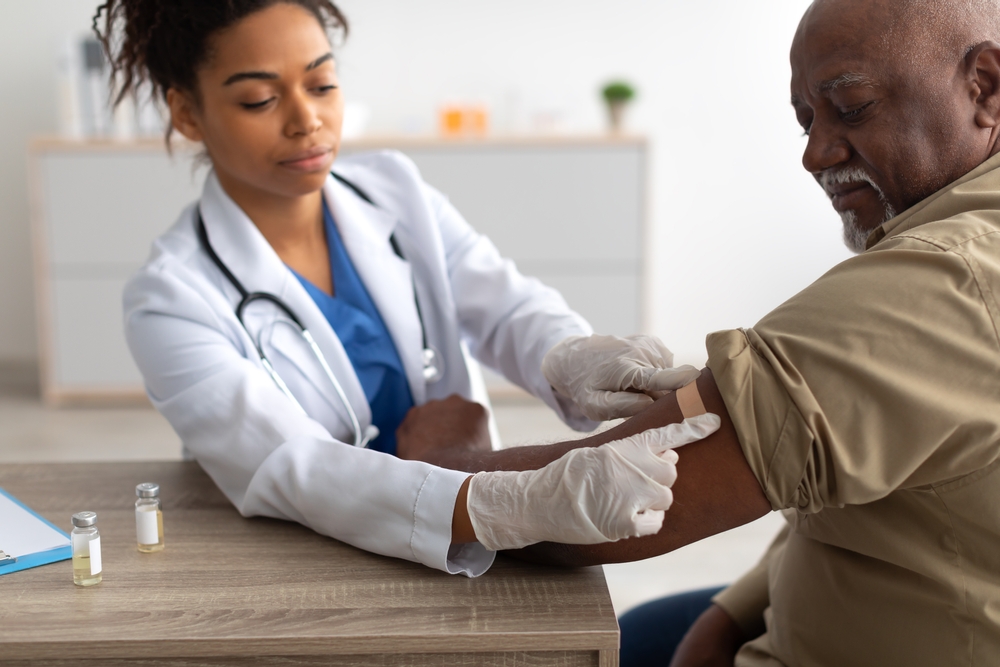
There is good news for adults without insurance coverage for vaccinations – the health departments of the Coastal Health District are now offering adult vaccines at no cost for individuals without adequate insurance coverage. This offer is only available on in-stock vaccines while supplies last.

Several vaccinations are recommended at different stages for adults, like immunizations against shingles, tetanus, whooping cough, measles and more. Health insurance covers most routine vaccinations, but adults without insurance must sometimes pay a fee.

“Vaccination saves lives, and we believe everyone in our community who wants to be vaccinated should have access to vaccines,” said Paige Lightsey, Immunization Director for the Coastal Health District. “Thanks to a federal grant, we can now offer no-cost vaccines for adults in every county of our health district.”

The no-cost vaccination program runs from May 1st through November 30th on in-stock vaccines while supplies last. To see if you qualify for a no-cost vaccine or to schedule an appointment for vaccination, please call your local county health department.

Each year in the US, as many as 50,000 adults die from vaccine-preventable diseases or their complications. Life-saving vaccines for adults include:

  • Chickenpox
  • Hepatitis A
  • Hepatitis B
  • Human Papillomavirus (HPV)
  • MMR
  • Meningococcal
  • Pneumococcal
  • Shingles
  • Tetanus
  • Pertussis (whooping cough)
  • Diphtheria

If you’re not sure which adult immunizations you may need, check with your health department, or visit our immunization webpage for information about recommended vaccines for adults