The Coastal Health District of Georgia serves the counties of Bryan, Camden, Chatham, Effingham, Glynn, Liberty, Long & McIntosh

View Upcoming Events

News & Events


Unite to End TB

Often when people hear the word “tuberculosis,” they think of a disease that caused harm decades ago. But tuberculosis, commonly referred to as TB, is still a very real problem in the United States and in Georgia where 335 new cases of TB were reported in 2014. In fact, Georgia ranked fifth highest in the country for newly reported TB cases in 2014. March 24 is World TB and this year’s theme is “Unite to End TB.”

TB is a disease that usually affects the lungs but can attack any part of the body. TB is caused by germs that are spread from person to person through the air when a person with active TB coughs, sneezes, speaks, or sings. Although a relatively small number of people exposed to the disease actually contract the infection, active TB disease can be life threatening if left untreated.

TB is preventable and curable. Yet, too many people in the United States still suffer from this disease. TB elimination would have widespread health, economic, and social benefits for our country. Anyone can get TB. People with TB disease can be found in every state; in rural areas and cities; in schools, workplaces, homes; and in many other places where people are in close contact.

People with active TB disease may spread the TB germs to other persons who are usually individuals with whom they have been with in an enclosed space for a prolonged period of time, such as family members and co-workers. Symptoms of TB include a bad cough that lasts three weeks or longer, pain in the chest, coughing up blood or sputum, weakness or fatigue, weight loss, no appetite, chills, fever, and sweating at night.

Up to 13 million people in the U.S. are estimated to have latent tuberculosis (TB) infection. Latent TB infection is a condition in which a person is infected with the TB bacteria, but does not currently have active TB disease and cannot spread TB to others. However, if these bacteria become active and multiply, latent TB infection can turn into TB disease. Without treatment, on average 5-10% of people with latent TB infection will develop TB disease. For some people, that risk is much higher.

Anyone who thinks he has been exposed to TB should contact a healthcare provider or local health department to get tested. For more information on TB, go to cdc.gov/tb.
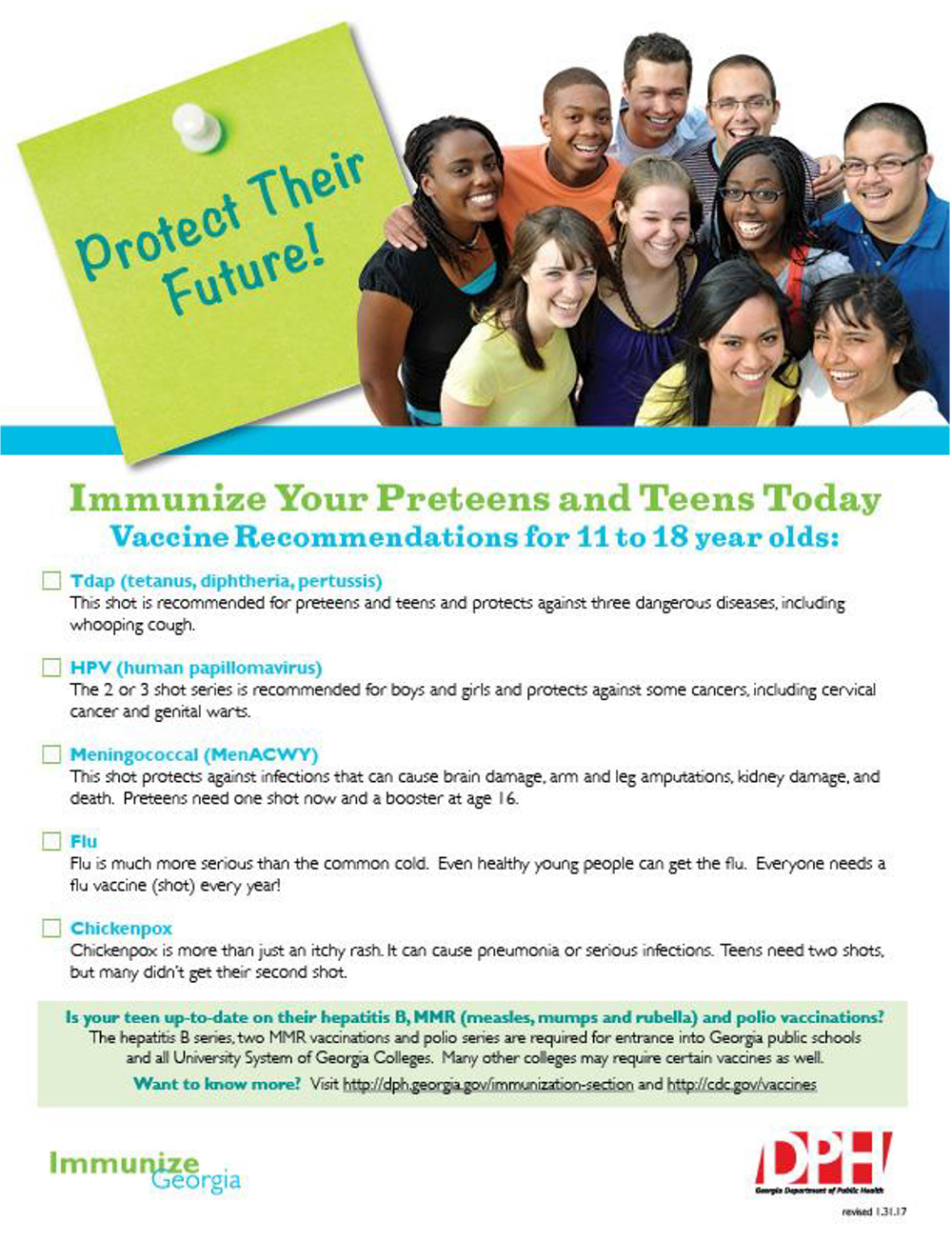
Georgia Preteen Vaccination Awareness

Let’s face it – nobody likes getting shots – but a shot lasts a second; diseases last much longer.

In an effort to protect every adult and child, the Georgia Department of Public Health established Georgia Preteen Vaccine Awareness Week, observed March 13-17, 2017, to serve as a reminder for parents to talk with their preteens and teens about getting immunized against vaccine- preventable diseases. [JPG, 676.91 KB]

“Preteens are at an age where they are becoming more independent and social. They spend more time out with friends playing sports, going to sleepaway camps and attending parties. While this is a fun part of growing up, these activities could increase their risk for contracting potentially life- threatening diseases,” said Sheila Lovett, director for the Georgia Department of Public Health Immunization Program. “Parents, make it a priority to vaccinate your preteen against these preventable diseases.”

According to the Georgia Department of Public Health Rule (511-2-2), all students born on or after January 1, 2002, entering or transferring into seventh grade and any “new entrant” into eighth -12th grades in Georgia need proof of an adolescent pertussis (whooping cough) booster vaccination (called “Tdap”) AND an adolescent meningococcal vaccination (MenACWY). This law affects all public and private schools including, but not limited to, charter schools, community schools, juvenile court schools and other alternative school settings (excluding homeschool).

Vaccines are the best defense we have against serious, preventable and sometimes deadly contagious diseases. They help avoid expensive therapies and hospitalization needed to treat infectious diseases like influenza and meningitis. Immunizations also reduce absences both at school and after school activities and decrease the spread of illness at home, school and the community.

The CDC currently recommends the following vaccines for preteens and teens:

  • Tetanus, Diphtheria and Pertussis (Tdap)
  • Influenza (flu)
  • Human Papillomavirus (HPV)
  • Meningococcal Disease (MenACWY)

[JPG, 615.32 KB]Georgia Preteen Vaccine Awareness Week is an opportunity to raise awareness through schools, health care providers and the [JPG, 2.15 MB]media regarding preteen immunizations, particularly Georgia’s pertussis and meningococcal requirements for incoming seventh-grade students. Speak with your physician today to find out if your preteen is up-to-date. For more information, click here.


Get the Facts!

Georgia Preteen Vaccine Awareness Week Fact Sheet [DOCX, 20.60 KB]

“Cupcakes & Condoms” National Women and Girls HIV/AIDS Awareness Day Event March 10

The Coastal Health District is observing National Women & Girls HIV/AIDS Awareness Day with “Cupcakes & Condoms,” a free, confidential HIV testing event. There will be giveaways, including cupcakes, and candid talk about sexual health. The event will take place from 9 a.m. to 3 p.m. on Friday, March 10, at the Chatham County Health Department located at 1395 Eisenhower Drive.

National Women and Girls HIV/AIDS Awareness Day (NWGHAAD) is an annual observance that sheds light on the impact of HIV and AIDS on women and girls. Every year on March 10, and throughout the month of March, federal, national, and community organizations come together to show support for women and girls impacted by HIV and AIDS. This year marks the 12th observance of National Women and Girls HIV/AIDS Awareness Day.

Today, about one in four people living with HIV in the United States is female. Only about half of women living with HIV are getting care, and only four in 10 of them have the virus under control. Women face unique HIV risks and challenges that can prevent them from getting needed care and treatment. Addressing these issues remains critical to achieving an HIV- and AIDS-free generation.

[JPG, 451.62 KB]

Camden Co. Health Dept. Preteen Vaccination Clinic March 16

Georgia Preteen Vaccination Week is March 13-17 and Camden County Health Department officials are encouraging parents to bring preteens to the health department on Thursday, March 16, to get up-to-date on vaccinations. Both Camden County Health Department locations – 1501 Georgia Avenue in Woodbine
and 901 Dilworth Street in St. Marys – will be open until 6:30 p.m. on March 16 and no appointment is necessary.

The Advisory Committee on Immunization Practices currently recommends that 11 and 12 year olds receive Tdap (tetanus, diphtheria, and pertussis/whooping cough), HPV (human papillomavirus), meningococcal, and flu vaccines. Also, any preteens should be brought up-to-date on any other vaccines that may have been missed such as the chicken pox vaccine.

For more information, please call the Camden County Health Department at 912-576-3040 (Woodbine) or 912-882-8515 (St. Marys).

[JPG, 1.40 MB]

Georgia Health Officials Warn of Potential Phone Scam

ATLANTA – The Georgia Department of Public Health (DPH) is receiving complaints from residents of Georgia and residents of other states about suspicious phone calls. Many of the calls appear to come from a Georgia DPH phone number.

“Right now, we do not know the real reason for the calls or what the caller is truly looking for,” said Rick Keheley, DPH’s inspector general. “We do know the calls are not coming from the Georgia Department of Public Health.”

DPH encourages residents to be extremely cautious when participating in health-related telephone surveys.

DPH does occasionally use telephone surveys to gain information on health trends and it is important to understand the difference. DPH:

  • Will never ask for religious information
  • Will never ask for credit card information
  • Will never try to sell goods or services
  • Will always provide call back or contact information for verification

Residents with questions or those wishing to report a suspicious call should contact DPH’s Office of Inspector General at (404) 656-4409 or reportdphfraud@dhr.state.ga.us


About the Georgia Department of Public Health

The Georgia Department of Public Health (DPH) is the lead agency in preventing disease, injury and disability; promoting health and well-being; and preparing for and responding to disasters from a health perspective. For more information about DPH, visit www.dph.ga.gov.

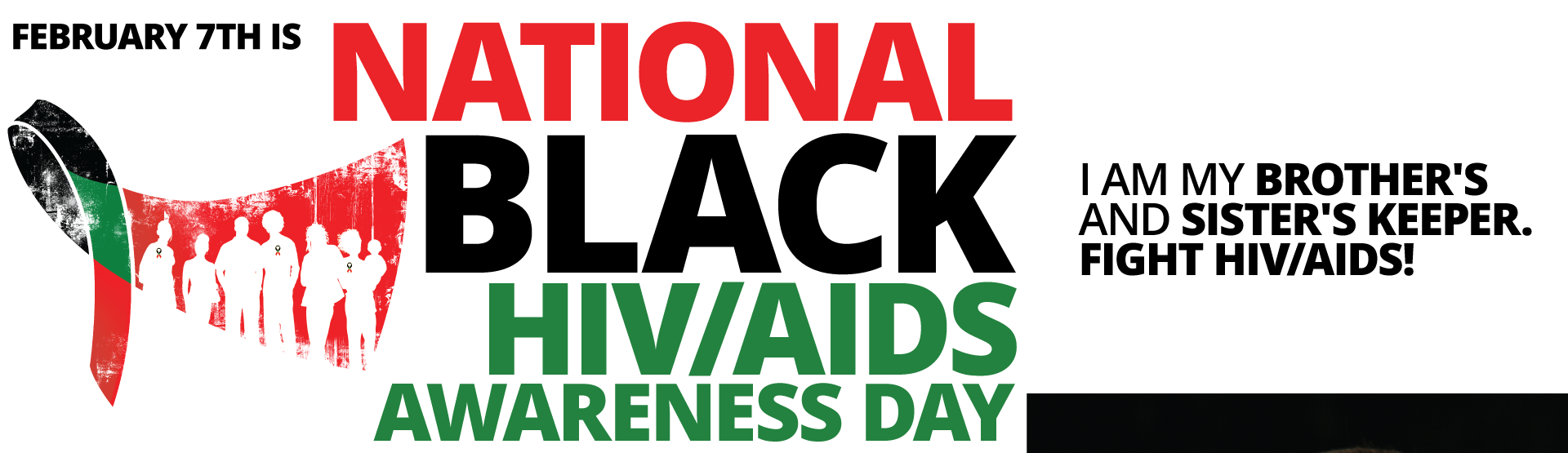
National Black HIV/AIDS Testing Events Scheduled Feb. 7

Tuesday, February 7, will mark the 16th observance of National Black HIV/AIDS Awareness Day (NBHAAD) and the Coastal Health District will recognize the day by holding HIV testing events throughout the eight-county public health district. The Coastal Health District Prevention Program will offer free and rapid confidential HIV testing from 9 a.m. to 3 p.m. on Tuesday, February 7 at health departments in Bryan, Camden, Chatham, Effingham, Glynn, Liberty, Long, and McIntosh counties. No appointment necessary.

The NBHAAD 2017 theme is “I am my Brother’s and Sister’s Keeper: Fight HIV/AIDS.” NBHAAD is directed, planned, and organized by a group known as the Strategic Leadership Committee, a coalition that partners with the Centers for Disease Control and Prevention (CDC) to mobilize communities in an effort to address local epidemics and influence the course of HIV in African American communities across the country.

The Coastal Health District has close to 1,400 active cases of HIV and Georgia ranks 5th highest in the nation for the total number of new diagnosis of HIV. The Coastal Health District encourages the community to use this observance to promote HIV prevention practices and reduce the stigma surrounding the disease.

Go to www.nationalblackaidsday.org to learn more about NBHAAD. To locate services for a free HIV test or to access treatment, visit Georgia Department of Public Health’s CAPUS (Care and Prevention in the U.S.) Care Portal at www.gacapus.com or call the Georgia AIDS/STD Infoline at 1-800-551-2728.

For more information on the testing events, please call Diane DeVore at 912- 644-5828 or email Diane.Devore@dph.ga.gov.

[PNG, 190.42 KB]

Listen to Your Heart

About 610,000 people in the United States die of heart disease every year and heart disease is the number one killer of both men and women in our country. A lot of things can lead to heart disease including family history, lifestyle, and age. Could you be at risk for heart disease?

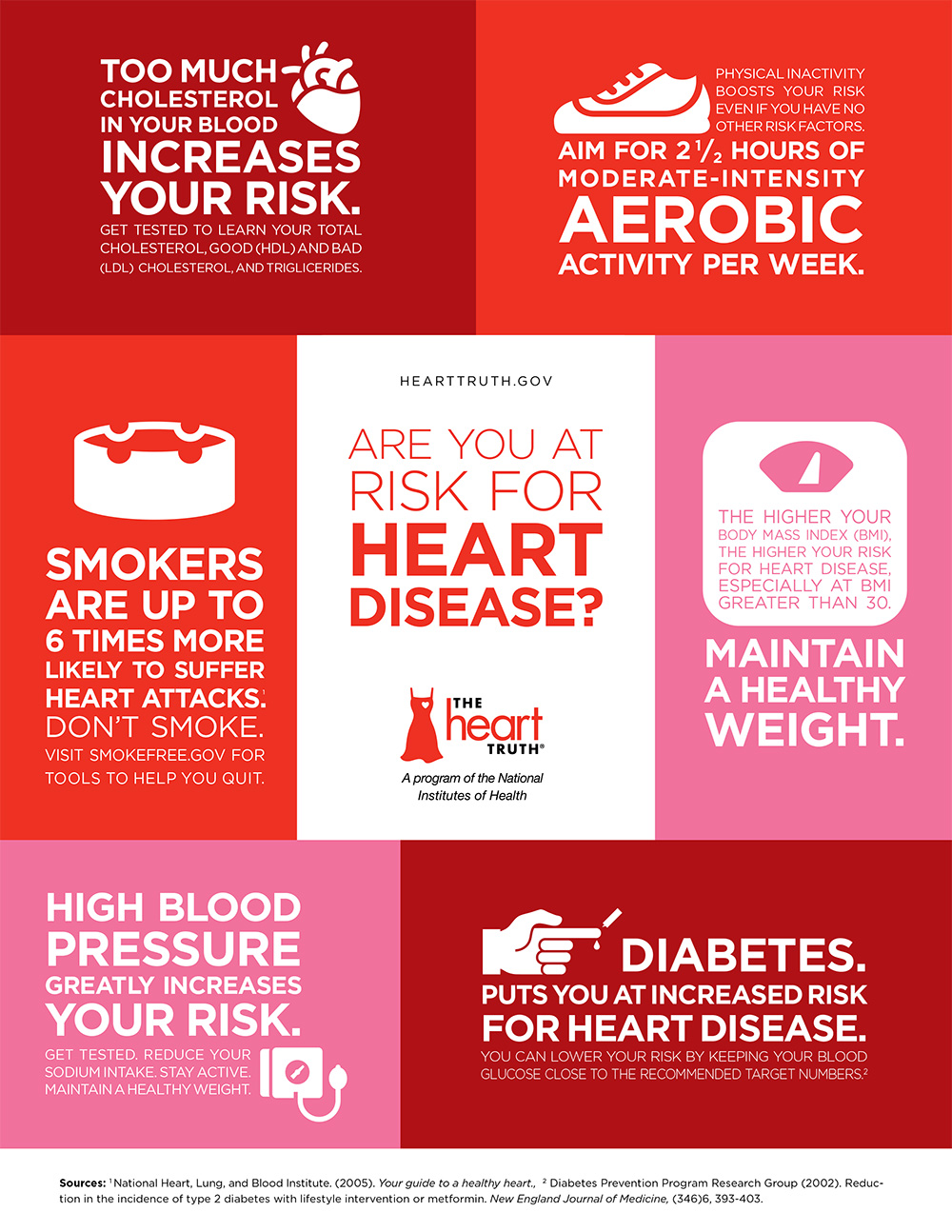
[JPG, 444.13 KB] Risk factors of heart disease

According to the Centers for Disease Control and Prevention (CDC), high blood pressure, high LDL cholesterol, and smoking risk factors for heart disease.
Other conditions and lifestyle choices can also put people at a higher risk for heart disease, including:

  • Diabetes
  • Overweight and obesity
  • Poor diet
  • Physical inactivity
  • Excessive alcohol use

Want to know more about heart disease? Click HERE.

The good news is that heart disease is often preventable. Exercising regularly, eating healthy, and not smoking are just a few things that can help keep heart disease away. What are some simple ways to improve heart health?

  • Do at least 30 minutes of moderate exercise daily. Don’t like to run? Put on your dancing shoes. Dancing is a legitimate form of exercise. Pick a few of your favorite songs, turn up the volume, and dance your way toward your 30-minute daily goal!
  • When it comes to heart healthy eating, there is a lot to consider but you can never go wrong with eating fresh fruits and vegetables, especially when it comes to snacking. Just about everybody needs a little snack to get through the day and snacking doesn’t have to be a bad thing. Fruits, vegetables, nuts, seeds, low-fat yogurt, raisins – there are a million great healthy snacking choices out there. You just have to find the one that suits you.
  • Don’t smoke. There is nothing good about tobacco. It’s also not easy to quit but there is help. Using Georgia Tobacco Quit Line can help you improve your chance of quitting for good. The Quit Line is open 24 hours a day, seven days a week.
    English: 1-877-270-STOP (877-270-7867)
    Spanish: 1-855 DEJELO-YA
    Hearing Impaired: 1-877-777-6534

A high Body Mass Index or BMI (a ratio of weight to height) may put you at risk for heart disease. Check your BMI using this BMI Calculator.


28 Days to a Healthy Heart.

Let’s Dance, Savannah! Scheduled for Feb. 11

The Coastal Health District will host “Let’s Dance, Savannah!” from 10:30 a.m. to 2:30 p.m. on Saturday, February 11, at Savannah Mall’s Center Court. The event will feature local dance groups and a variety of dance styles. Event attendees are encouraged to participate and dance their way toward better heart health.

“Dancing is a great form of exercise and a fun way to get your daily recommended 30 minutes of physical activity,” said Coastal Health District Chronic Disease Prevention Director, Cristina Gibson. “Physical inactivity is a contributor to heart disease. What better way to stay active and improve cardiovascular health than dance?”

Let’s Dance, Savannah! will include free dance demonstrations/mini-classes, blood pressure and blood sugar screenings, and information on the Georgia Tobacco Quit Line and smoking cessation classes.

Heart disease is the leading cause of death in the United States for both men and women. According to the Centers for Disease Control and Prevention (CDC), 610,000 die from heart disease in the U.S. every year. Eating healthy, exercising regularly and maintaining a healthy weight, and not using tobacco can help prevent heart disease which can lead to stroke and heart attacks.

Groups scheduled to take part in the event include Maria Colucci with special guest Koni Perodeau (Dance Chance), Abeni Cultural Arts (African), Salon de Baile (ballroom), Coastal Empire Montessori Charter School, Savannah Flash Mob Dance Crew, One Spirit Dance Academy (ballet), Darrell Davis (hip-hop), and bRyaN (divas & pumps/hip-hop).

Always be Weather Ready

Weather can change on a dime. One day the climate may be mild and calm and 24 hours later tornado warning sirens could be going off. Hurricane season is expected every year in that we know the dates – June 1 through November 30 –  but we never truly know how the season will play out. Hurricane Matthew showed us that knowing a hurricane is out there doesn’t necessarily mean we know where it’s going to make the biggest impact once it makes landfall. It is important for all of us to be as prepared as we can be when it comes to changing weather.

Do you know what you should have on hand in case of severe weather? A basic disaster supply kit should include:

  • One gallon of water per person per day for at least three days
  • At least a three-day supply of non-perishable food
  • Battery-powered or hand crank radio and a NOAA Weather Radio with tone alert and extra batteries for both
  • Flashlight and extra batteries
  • First aid kit
  • Change of clothes
  • Prescription medications and glasses
  • Infant formula and diapers
  • Pet food and extra water for your pet
  • Cash or traveler’s checks and change
  • Manual can opener for food
  • Chargers for cell phones
  • Personal hygiene items

You can always add more to your kit which should be accessible all year round. It’s also a good idea to periodically check your kit to see if it needs to be updated or changed in any way.

Click HERE to find out more about preparing for severe weather.

Ready.gov is a great site with a lot of helpful information on how to prepare for weather and other potentially dangerous occurrences.

Don’t Wait: Communicate
Having emergency plans in place for severe weather or any other crisis just makes good sense. Ready.gov has everything you need to make sure that when a disaster strikes, families know what to do which includes having an up-to-date contact list for those you may need to reach during a disaster and establishing alternate methods of communication in case traditional means are not available.

Family Communication Plan for Parents: FEMA_plan_parent_508_071513 [PDF, 1.12 MB]
Family Communication Plan for Children: FEMA_plan_child_508_071513 [PDF, 1.16 MB]

Coastal Health District Counties Awarded Car Seat Mini Grants

Health departments in Bryan, Chatham, Effingham, Glynn, Liberty, and McIntosh counties have been awarded the 2017 Car Seat Mini Grant by the Georgia Department of Public Health, Injury Prevention Program. Through the Mini Grant, the health departments will work together with other local partners and to provide car seats and education to financially eligible families. This program is funded by the Governor’s Office of Highway Safety to help ensure Georgia’s children are safe while riding in motor vehicles.

Since 2007, the education, car seats, and booster seats provided through the Mini Grant prevented serious injury or death and saved more than 300 of Georgia’s children who were involved in crashes. According to the National Highway Traffic Safety Administration, car seats reduce fatal injuries by 71 percent among infants and by 54 percent among children ages 1 to 4 years in passenger cars. Car seats offer the best protection for children in the event of a crash and they are most effective when installed and used correctly. Nearly three out of every four car seats are not used properly, placing children at unnecessary risk. Through this program, parents and caregivers are educated on how to properly install and use car seats.

Through the Car Seat Mini Grant, agencies supporting more than 130 counties are working to keep Georgia’s children safe. These programs help families get their children buckled up right, every trip, every time.

For more information about the car seat program, please contact your local health department. Contact information for Coastal Health District health departments can be found HERE. If you would like information regarding other counties involved in the program, please contact the Georgia Department of Public Health’s Child Occupant Safety Project via email at injury@dph.ga.gov or by calling (404-679-0500).